
IAQ Products in Lewis Center, OH
Improve Indoor Air Quality for Lewis Center, OH with IAQ solutions; learn about HEPA, carbon filters, UV-C, and whole-house vs. point-of-use options. Learn more.

IAQ Products in Lewis Center, OH
Indoor air quality matters for comfort, health, and energy efficiency in Lewis Center homes. With hot, humid summers, cold dry winters, and heavy seasonal pollen from nearby woodlands and lawns, many households face problems with allergens, excess moisture, odors, and particulate pollution.
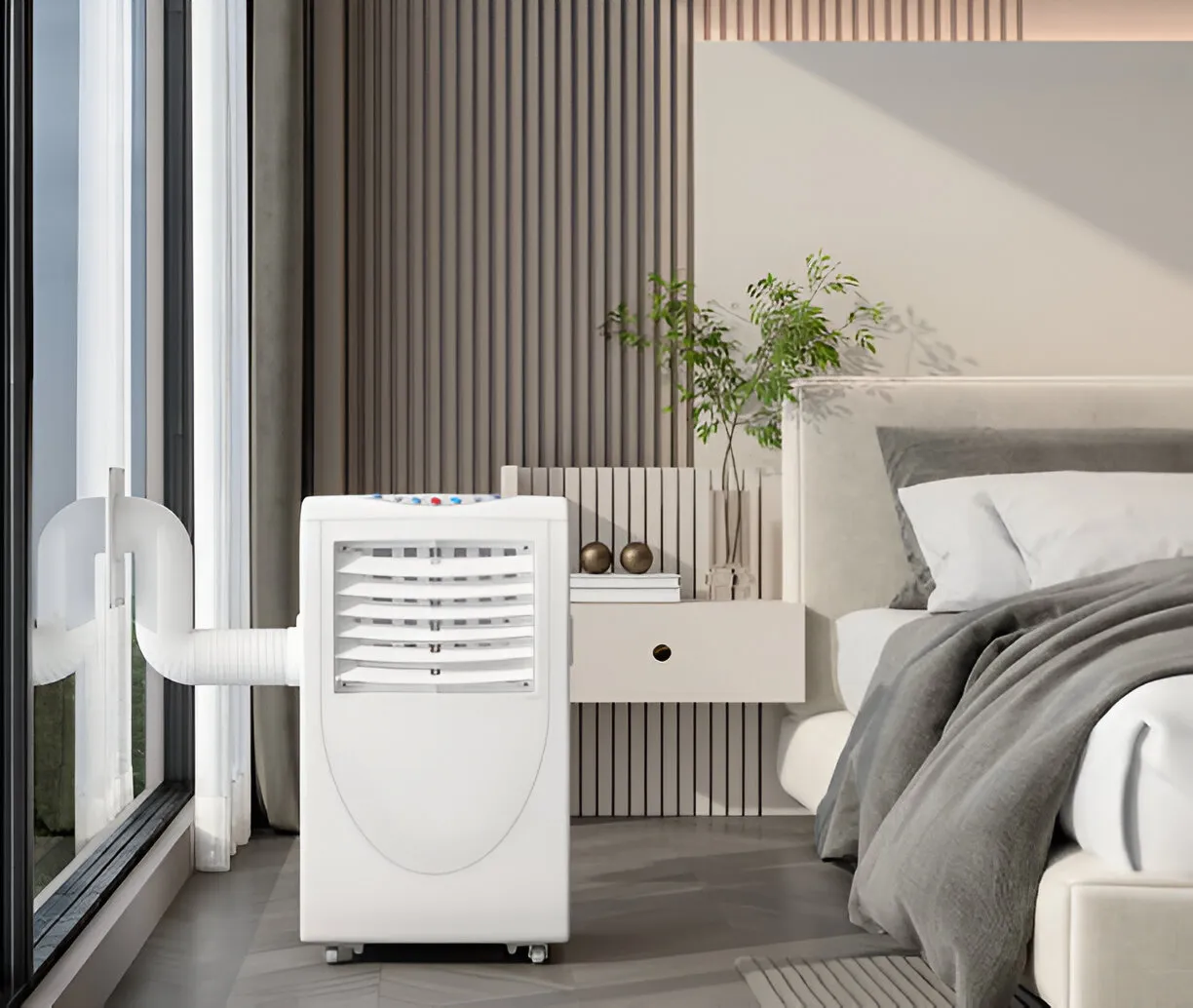
Common IAQ issues in Lewis Center, OH
- Seasonal pollen and outdoor allergens that infiltrate homes in spring and fall.
- High indoor humidity in summer leading to mold, dust mites, and musty odors.
- Low indoor humidity in winter causing dry skin, irritated airways, and static.
- Cooking, pet dander, and household VOCs (cleaning products, paints) that cause odors and irritants.
- Fine particulates from traffic or occasional wood-smoke that impact sensitive lungs.
- Poor ventilation in tightly sealed homes that traps pollutants indoors.
Understanding which of these affect your household most helps determine whether you need a whole-house approach or targeted point-of-use devices.
IAQ products explained: what they do and common use cases
Below are the main product categories and the technologies they use.
- Whole-house air purifiers and filtration upgrades
- Integrate with your HVAC system to treat air throughout the home.
- Use high-MERV filters or whole-house HEPA-compatible systems to reduce allergens and particulates.
- Best for comprehensive control in centrally heated and cooled Lewis Center homes.
- Point-of-use air purifiers
- Standalone units for bedrooms, living rooms, or home offices.
- Offer HEPA filtration, activated carbon, or combined systems.
- Ideal for targeted relief for allergy sufferers or rooms with specific odor or smoke issues.
- Humidifiers
- Add moisture during cold, dry winters to reduce dry air symptoms and protect wood floors and furnishings.
- Types include whole-house steam or bypass humidifiers and portable room humidifiers.
- Dehumidifiers
- Reduce excess humidity in basements, bathrooms, and closed living spaces during humid Ohio summers.
- Prevent mold growth and reduce dust mite populations.
- Ventilation components
- Energy recovery ventilators (ERVs) and heat recovery ventilators (HRVs) bring in fresh outdoor air while minimizing energy loss.
- Mechanical ventilation is essential for tightly built homes to reduce stale air and volatile organic compounds.
Key IAQ technologies and what they mean
- HEPA (High Efficiency Particulate Air)
- Removes 99.97% of particles 0.3 microns and larger; very effective for pollen, pet dander, and most fine particulates.
- Look at CADR (clean air delivery rate) for room units and whole-house compatibility specs.
- Activated carbon
- Adsorbs gases and odors, including VOCs, cooking smells, and some smoke-related compounds.
- Often paired with HEPA for both particulates and odor control.
- UV-C
- Ultraviolet germicidal light reduces microbial growth on HVAC coils or within air handlers.
- Useful for limiting mold and bacteria but not a standalone solution for particulates.
- MERV ratings
- Measures filter efficiency. Typical residential upgrades range from MERV 8 to MERV 13.
- MERV 8-11: good for pollen and larger particles. MERV 13: recommended for better control of fine particulates and respiratory allergens.
- Higher MERVs can increase airflow resistance; compatibility with your HVAC fan capacity should be checked.
How to choose the right IAQ solution for your home and health
Consider these factors when selecting products for Lewis Center homes:
- Primary concern: allergies/particles, odors/VOCs, mold/moisture, or ventilation.
- Home layout and HVAC type: central forced-air systems benefit from whole-house solutions; apartments or homes without central ducts may be best served by point-of-use units.
- Occupant sensitivity: households with asthma, COPD, infants, or elderly occupants should prioritize HEPA filtration and balanced ventilation.
- Basements and moisture-prone areas: add dehumidification and mold-focused measures.
- Seasonal needs: combine a humidifier for winter with a dehumidifier strategy for summer where needed.
Decision checklist:
- If allergies or fine particulates are your top concern: whole-house filtration with MERV 13 or a HEPA-capable point-of-use unit.
- If odors or VOCs dominate: add activated carbon filtration or targeted ventilation.
- For persistent mold or high humidity: install dehumidification and consider UV-C for coil protection.
- For tightly sealed, energy-efficient homes: add ERV/HRV ventilation to supply fresh air without major heating/cooling loss.
Installation and maintenance overview
- Installation options
- Whole-house systems typically require HVAC integration by a licensed professional to ensure airflow, static pressure, and equipment compatibility.
- Point-of-use units are user-friendly for plug-and-play installation, but proper sizing to room volume is essential.
- Humidifiers and dehumidifiers have model-specific installation requirements; whole-house versions usually need professional plumbing and electrical connections.
- Maintenance tasks and schedules
- HEPA and panel filters: replace or clean according to manufacturer guidance; typical intervals range from 3 to 12 months depending on use and filtration level.
- Activated carbon cartridges: replace every 3 to 12 months based on odor load.
- UV-C bulbs: change annually or per manufacturer expectancy to maintain germicidal effectiveness.
- Dehumidifiers: empty collection buckets or maintain drain lines; clean coils and filters seasonally.
- Ventilators (ERV/HRV): clean core and filters at least annually and more frequently if pollen or dust loads are high.
- Performance tracking
- Expect measurable reductions in visible dust, odors, and allergy symptoms within days to weeks; CADR and air-change metrics provide objective performance guidance.
- Humidity targets: aim for 30-50% relative humidity year-round in central Ohio for comfort and mold prevention.
Performance expectations and warranties
- Realistic performance
- No single product eliminates all pollutants. HEPA plus activated carbon and adequate ventilation provides broad coverage for particulates, odors, and some VOCs.
- Whole-house systems provide consistent baseline improvement; point-of-use units deliver concentrated benefits in specific rooms.
- Proper sizing, correct filter selection, and routine maintenance are critical to achieve rated performance and longevity.
- Warranty norms
- Manufacturer warranties vary by product: air purifiers and portable units commonly carry 1 to 3 year warranties; whole-house components and humidifier cores often have longer warranties of 3 to 10 years.
- Warranties typically cover defects in materials and workmanship; routine wear items like filters and bulbs are not usually covered.
- Keep documentation for warranty validation and follow recommended maintenance schedules to avoid voiding coverage.
Benefits and ongoing care for Lewis Center homes
- Health and comfort: reduced allergy symptoms, better sleep, and fewer odors.
- Structure protection: controlled humidity protects wood trim, floors, and stored items from mold and moisture damage.
- Energy considerations: ventilation with heat recovery minimizes energy loss while improving indoor air; ensure systems are matched to HVAC capacity to avoid efficiency losses.
- Seasonal tuning: increase ventilation in spring/fall for pollen control, dehumidify in summer, and add humidity in winter as needed.
Regular seasonal checks, filter changes, and attention to humidity will keep IAQ systems operating effectively. For Lewis Center homes facing pollen, humidity swings, and dense suburban living, a thoughtfully selected combination of filtration, ventilation, and moisture control provides the most reliable improvement in indoor air quality.
Hot Deals & Cool Savings

.webp)
New Service Agreement Membership
.webp)
Any New Client Service
Next Service for Referring a New Client
New Service Agreement Membership
Any New Client Service
Next Service for Referring a New Client
.webp)
.webp)

Service Areas
