
HVAC Tune-up in OSU, OH
HVAC tune-ups in OSU, OH ensure reliable performance, efficiency, and safety. Schedule now for seasonal maintenance, detailed reports, and prioritized recommendations.

An HVAC tune-up is the single most effective preventive service for keeping your heating and cooling system reliable, efficient, and safe. In OSU, OH, where summers bring humid, high-use cooling seasons and winters drop into cold, energy-intensive heating months, routine seasonal tune-ups are essential for comfort, lower utility bills, and avoiding costly mid-season breakdowns. Best Service Heating & Cooling provides thorough, season-specific HVAC tune-ups tailored to OSU homes, student rentals, and older campus-area properties to ensure systems run at peak performance when you need them most.
Why an HVAC Tune-up Matters in OSU, OH
OSU neighborhoods face a unique mix of demands. Large temperature swings between seasons, high humidity in summer, and older housing stock near campus can cause systems to work harder and develop issues faster. Rental turnover and irregular maintenance in student-occupied homes increase wear and tear. A professional tune-up addresses those stress factors before they become failures by correcting small issues, verifying safe operation, and optimizing system efficiency.
Key local reasons to schedule tune-ups:
- Hot, humid summers increase AC runtime and risk of poor dehumidification.
- Cold winters require reliable furnace performance to prevent frozen pipes and unsafe operation.
- High tenant turnover and deferred maintenance in rental properties make preventive checks vital.
- Pollen and seasonal debris contribute to clogged filters and reduced indoor air quality.
- Older ductwork and compact urban installations around OSU can hide airflow problems that a tune-up will detect.
What a Seasonal HVAC Tune-up Includes
Best Service Heating & Cooling performs a standardized, comprehensive tune-up covering all major components and performance checks. Each tune-up follows a consistent checklist so you know exactly what was inspected, tested, and adjusted.
Core tasks performed during a tune-up:
- Filter inspection and replacement or recommendation based on type and condition. We verify correct filter size and MERV rating for the system.
- Outdoor coil cleaning and inspection for the air conditioner or heat pump to improve heat transfer.
- Indoor evaporator and condenser coil checks and cleaning as needed for efficient operation.
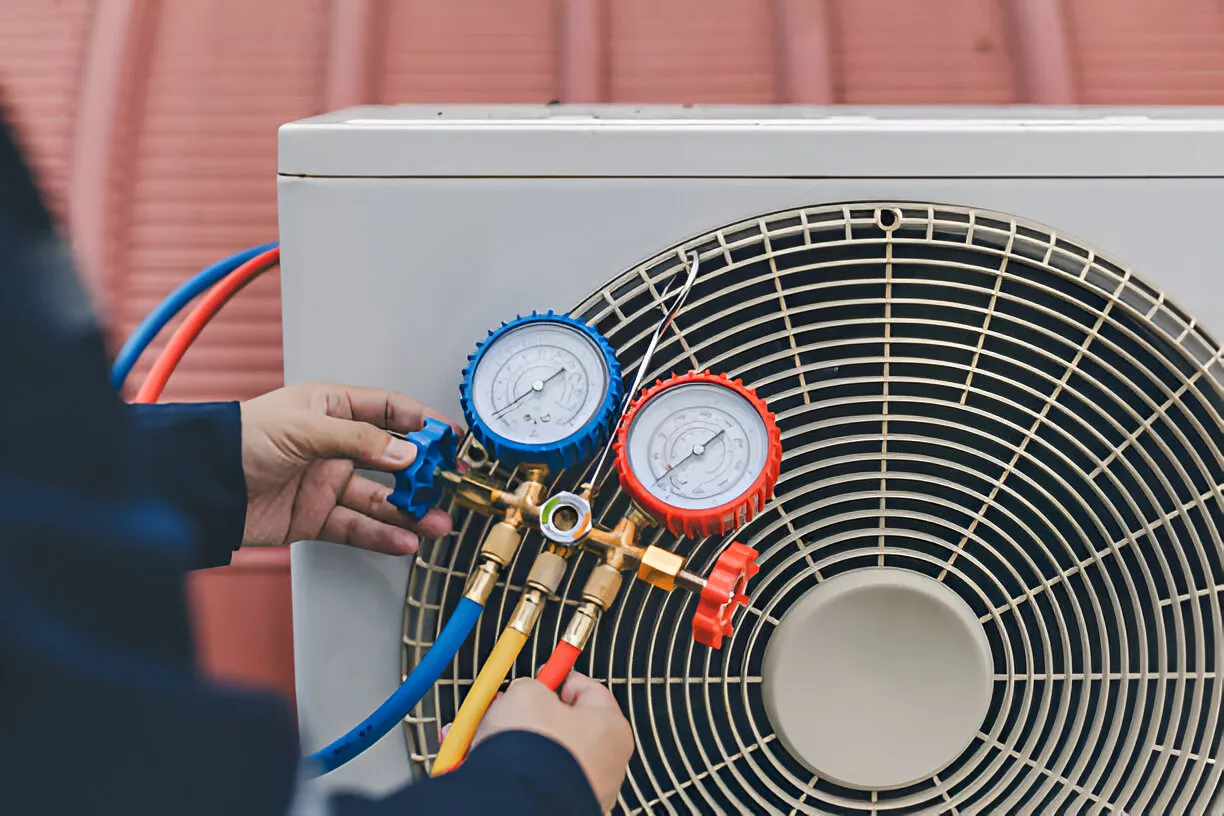
- Refrigerant level checks and leak detection. We measure system pressures and compare to manufacturer specifications and ambient conditions.
- Thermostat calibration and schedule verification. We confirm sensor accuracy and update settings for seasonal operation.
- Lubrication of moving parts where applicable to reduce friction and wear.
- Electrical system inspection and tightening of connections, including contactor and relay checks.
- Safety controls verification, including limit switches, flame rollout switches, and carbon monoxide risk indicators on combustion appliances.
- Motor and blower inspection, cleaning, and balancing; static pressure checks in the duct system to identify airflow restrictions.
- Burner and ignition system cleaning and adjustment on gas furnaces.
- Combustion analysis on gas-fired equipment to ensure correct fuel mixture and safe exhaust.
- Drain line and condensate pan cleaning to prevent clogs, overflow, and mold growth.
- Ductwork visual inspection for major leaks or disconnected sections that affect comfort and efficiency.
- System startup and shutdown checks for proper sequencing and response.
- Performance testing with recorded metrics (see details below).
Each tune-up concludes with a written performance report and prioritized recommendations so you understand what was done and what, if anything, needs attention.
Performance Testing and Reporting
A tune-up is more than visual inspection. Best Service Heating & Cooling uses industry-standard instruments to measure system health and document performance. These tests validate repairs and show clear before-and-after data when improvements are made.
Typical performance tests included:
- Temperature split across the evaporator coil (supply discharge vs return) to confirm cooling capacity. A normal cooling temperature split is usually 15 to 20 degrees F, depending on humidity and load.
- Superheat and subcooling checks for refrigerant systems to verify correct charge and detect leaks.
- Refrigerant pressure readings compared to expected pressures at current ambient temperature.
- Amp draw and voltage readings on motors and compressors to detect electrical stress or aging components.
- Static pressure measurements in the duct system to identify restrictive filters, closed registers, or improperly sized ducts.
- Heat rise measurement across a furnace to confirm safe and efficient combustion.
- Combustion efficiency and CO readings on gas appliances to ensure safe operation.
Reporting and documentation:
- Every tune-up includes a clear, itemized report listing each checklist item, measured values, and a condition rating.
- Recommendations are prioritized into immediate safety concerns, efficiency issues, and long-term upgrades.
- Photos and short notes are included in the report when needed to highlight problem areas such as corroded components or blocked condensate drains.
- If repairs or replacements are recommended, explanations of likely causes and expected benefits are provided so homeowners, landlords, or property managers can make informed decisions.
Recommended Frequency for Tune-ups
How often you schedule tune-ups depends on equipment type, age, and usage patterns. For OSU, OH properties, seasonal tune-ups are the industry standard.
Recommended cadence:
- Air conditioning systems: Annual tune-up each spring before the cooling season.
- Heating systems (furnaces, boilers, heat pumps in heating mode): Annual tune-up each fall before the heating season.
- High-use properties, rental units, or systems over 10 years old: Twice-yearly tune-ups to catch wear early and maintain reliability.
- Heat pumps: Two tune-ups per year is advised because they operate year round in both heating and cooling modes in some seasons.
- New equipment: Follow manufacturer recommendations—typically annual inspections to maintain warranties.
Regular tune-ups prolong equipment life and reduce the likelihood of emergency repairs that often occur during peak weather periods.
Common Issues Found During Tune-ups in OSU Homes
During tune-ups in the OSU area, Best Service Heating & Cooling technicians often see recurring problems that reduce comfort and efficiency. Addressing these routinely prevents larger failures.
Frequent findings:
- Clogged or incorrect filters that restrict airflow and raise operating temperatures.
- Refrigerant undercharge from slow leaks in older lines or poorly sealed service ports.
- Dirty evaporator and condenser coils that reduce heat transfer and cooling capacity.
- Malfunctioning thermostats or poorly configured programmable thermostats not aligning with occupant schedules.
- Failing motors or bearings leading to increased amp draw and potential motor burnouts.
- Ignition or burner problems on older furnaces causing incomplete combustion or pilot issues.
- Blocked condensate drains from algae or debris leading to water damage and safety switch trips.
- Loose electrical connections creating intermittent failures or arcing hazards.
- Duct leaks and poor balancing causing uneven temperatures and increased energy use.
Proactive tune-ups catch these issues before they escalate into system failure, helping to avoid mid-summer or mid-winter service emergencies.
How Tune-ups Improve Efficiency and Lower Operating Costs
A properly executed tune-up restores system performance toward factory conditions and reduces energy waste. In OSU, even modest efficiency gains matter because seasonal temperature extremes drive high utility consumption.
Efficiency gains from tune-ups include:
- Improved airflow from clean filters and balanced ducts reduces blower energy and improves heat transfer.
- Correct refrigerant charge and clean coils allow the compressor to operate less frequently for the same cooling output.
- Calibrated thermostats and properly sealed ductwork reduce unnecessary runtime.
- Lubricated motors and tightened electrical connections reduce energy losses and prevent premature part failure.
Typical benefits homeowners and landlords can expect:
- Lower monthly utility bills compared to systems operating with neglected maintenance.
- More consistent indoor comfort and humidity control during humid Ohio summers.
- Reduced frequency of unscheduled service calls and lower total maintenance costs over the equipment life.
- Extended equipment life when small problems are corrected before they cause major damage.
Safety and Compliance Checks
Safety is a top priority during every tune-up. Gas-fired appliances and electrical components can present hazards if not properly maintained. Best Service Heating & Cooling performs specific safety inspections to protect occupants and property.
Safety items checked:
- Carbon monoxide risk assessment for combustion appliances, including combustion analysis and venting inspections.
- Flame sensor and ignition system checks to prevent delayed ignition or flame rollout.
- High limit switches and safety shutoff devices for furnaces.
- Electrical connections, breakers, and contactors to prevent overheating and fire risk.
- Proper combustion venting and flue inspection for blockages or corrosion.
- Verification of working emergency shutoffs and condensate overflow protection.
A tune-up that includes safety checks reduces liability for landlords and offers peace of mind for homeowners.
Integration with Maintenance Plans
A tune-up is most effective when part of an ongoing maintenance program rather than a one-time fix. Best Service Heating & Cooling integrates seasonal tune-ups into its maintenance plan to provide predictable, documented care for your HVAC equipment.
Maintenance plan features that enhance tune-ups:
- Scheduled seasonal tune-ups timed before heating and cooling seasons to prevent peak-season failures.
- Service history tracking so technicians can review past findings and monitor recurring issues.
- Priority scheduling for plan members during high-demand weather periods to reduce wait times.
- Discounted service rates for repairs identified during tune-ups to make fixes more affordable.
- Automatic reminders and coordination so tune-ups occur on schedule without homeowner oversight.
- Multi-system coverage options for both heating and cooling equipment to ensure complete home comfort care.
By combining tune-ups with a maintenance plan, OSU property owners get consistent care that maximizes equipment uptime and reduces lifecycle costs.
What to Expect During a Tune-up Appointment
Understanding the process helps property owners and tenants prepare and get full value from a tune-up.
Typical appointment flow:
- Arrival and identification of technician from Best Service Heating & Cooling.
- Brief walk-through to identify comfort complaints, thermostat settings, or known issues.
- System shutdown and safety checks prior to any invasive inspection.
- Filter inspection and replacement if included or requested.
- Component cleaning, lubrication, and adjustments.
- Instrument-based performance testing and measurements.
- System startup and verification of normal operation.
- Walk-through of the written report and prioritized recommendations.
Expect technicians to be respectful of your space and to document all work performed. For rental properties, reports serve as a record of maintenance for property managers and landlords.
DIY Tips Between Professional Tune-ups
Simple homeowner actions can complement professional tune-ups and improve system longevity.
Practical homeowner tips:
- Replace disposable filters every 1 to 3 months depending on occupancy and filter type. Homes with pets or high pollen should change filters more often.
- Keep outdoor units clear of leaves, grass clippings, and stored items to maintain airflow.
- Set thermostats conservatively when the home is unoccupied and avoid constant manual overrides that stress the system.
- Check condensate drains for standing water and clear slow drains with appropriate cleaners or a wet-dry vacuum.
- Seal gaps around windows and doors and add insulation where needed to reduce system runtime.
- Ensure vents and registers are not blocked by furniture or curtains to maintain proper airflow and balance.
These small steps reduce strain on equipment and support the benefits gained from professional tune-ups.
Signs You Need an Immediate Tune-up or Service Call
If you notice any of the following, schedule a professional inspection as soon as possible to avoid costly damage.
Warning signs:
- Noticeably higher utility bills without a change in usage patterns.
- Uneven temperatures across rooms or continued humidity problems in summer.
- Unusual noises such as grinding, rattling, or banging from the HVAC system.
- Frequent cycling on and off or failure to reach set thermostat temperatures.
- Water leaks or pooling around indoor units or the outdoor condenser.
- Yellow or irregular furnace flame, which can indicate combustion issues.
- Repeated tripping of breakers when the HVAC runs.
Addressing these signs quickly improves safety and reduces repair costs.
Long-Term Value of Regular Tune-ups
Regular tune-ups are an investment that protects comfort and property value. For OSU area homeowners and landlords, consistent HVAC maintenance reduces emergency repairs, maintains indoor air quality, supports tenant retention in rentals, and helps manage utility costs across seasonal extremes.
Long-term advantages:
- Increased equipment lifespan by preventing accelerated wear.
- Lower total cost of ownership because preventive work is less expensive than major repairs or premature replacement.
- Better indoor air quality through timely filter and drain maintenance.
- Documentation of routine maintenance supports resale value and warranty compliance.
- Peace of mind knowing systems are inspected and tested by trained professionals.
Best Service Heating & Cooling integrates industry best practices with local OSU area knowledge to deliver tune-ups that protect systems and occupants in every season.
Hot Deals & Cool Savings

.webp)
New Service Agreement Membership
.webp)
Any New Client Service
Next Service for Referring a New Client
New Service Agreement Membership
Any New Client Service
Next Service for Referring a New Client
.webp)
.webp)

Service Areas
