
HVAC Service in OSU, OH
HVAC service OSU OH delivers precise diagnostics, durable repairs, and installation options. Schedule a diagnostic or request an estimate today.

Keeping homes comfortable year round in the OSU, OH neighborhood means dealing with hot, humid summers, cold Ohio winters, and the unique demands of campus-area housing. Best Service Heating & Cooling provides comprehensive HVAC service in OSU, OH that focuses on fast, accurate diagnostics, lasting repairs, and practical options for installations and maintenance.
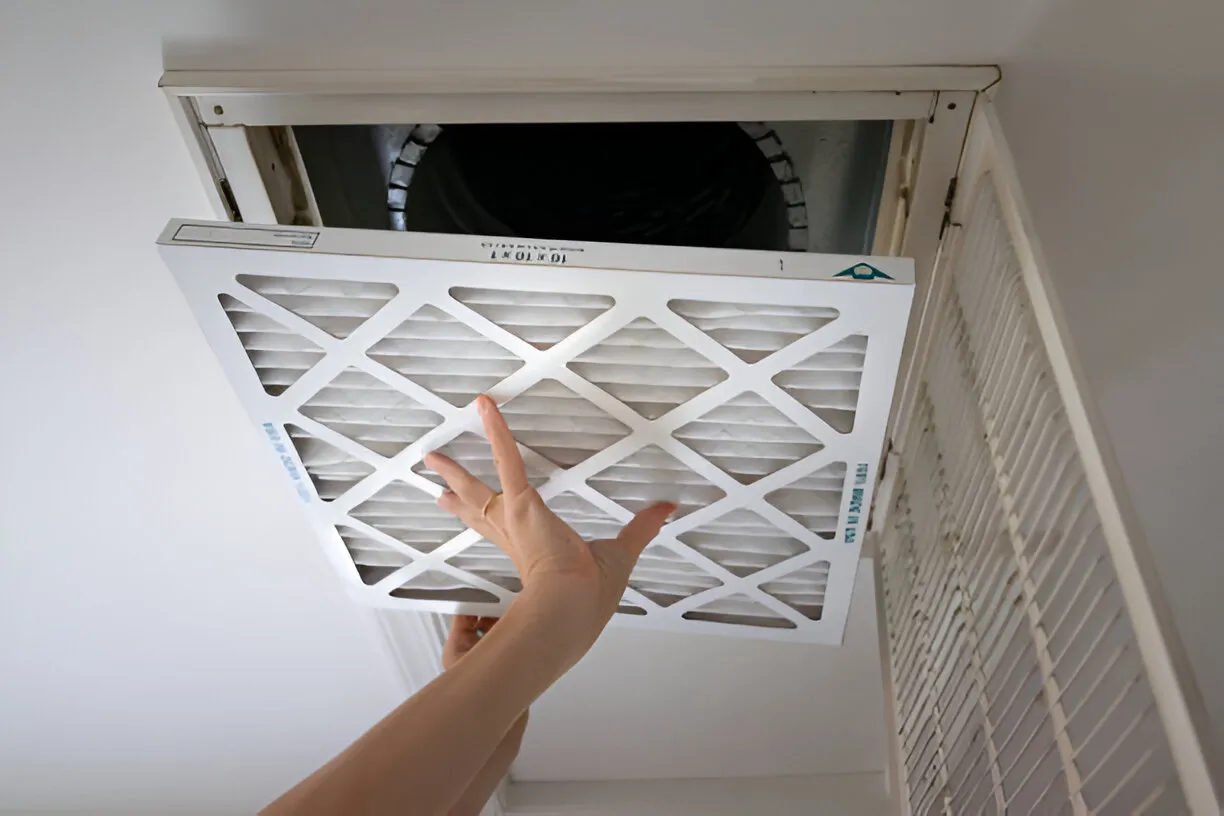
Why reliable HVAC service matters in OSU, OH
OSU-area homes and apartments face a mix of seasonal extremes. Summers bring high humidity that stresses air conditioners and creates a need for consistent dehumidification. Winters bring temperature swings and heavy use of furnaces and heat pumps, increasing the risk of system failures. Many properties near the university are older or converted into multiunit rentals, which can mean outdated ductwork, undersized equipment, or inconsistent maintenance histories. Prompt, professional HVAC service reduces breakdown risk, improves comfort, and often lowers monthly energy costs by restoring systems to efficient operation.
Common HVAC issues in OSU homes and apartments
Recognizing recurring patterns helps prioritize repairs and upgrades. The most frequent service calls in OSU, OH include:
- Air conditioning underperformance or warm air during peak summer heat
- Short cycling or frequent on/off cycles that reduce efficiency and lifespan
- Furnace ignition failures, pilot or electronic ignition faults, and inconsistent heating in winter
- Frozen evaporator coils from restricted airflow or low refrigerant
- Uneven temperatures from duct leaks, poor insulation, or imbalanced systems
- Excessive humidity, condensation, or mold smells in basements and crawlspaces
- Poor indoor air quality with allergies aggravated by pollen, student activity, or crowded occupancy
- Noisy operation, rattles, or vibration from loose components or failing motors
Each of these problems has a predictable set of diagnostic steps and proven repair options. Identifying the root cause during a thorough diagnostic visit prevents repeated return trips and unnecessary part replacements.
Types of HVAC service offered
Best Service Heating & Cooling provides a full range of services tailored to residential and multiunit properties in OSU, OH:
- Diagnostic visits and system evaluations to pinpoint failures and inefficiencies
- Routine repairs including electrical, controls, refrigeration, burners, and motors
- Full system installations and replacements for air conditioners, furnaces, heat pumps, and ductless mini-splits
- Preventive maintenance plans to extend equipment life and maintain manufacturer warranties
- Indoor air quality solutions: filtration, UV germicidal lights, humidifiers, dehumidifiers, and ventilators
- Duct inspection, sealing, balancing, and cleaning for better airflow and reduced energy loss
- Emergency troubleshooting and priority response for heating or cooling failures
Services are designed to address both immediate comfort needs and long term reliability. For many OSU residences, selecting the right maintenance plan after a repair or installation substantially reduces future emergency calls.
What happens during a diagnostic visit
A diagnostic visit is structured to deliver clear findings and practical recommendations. Typical steps include:
- Initial symptom review and history: The technician confirms issues, usage patterns, and prior repairs to understand context.
- Visual inspection: Exterior and interior units, electrical panels, drain lines, ductwork access points, and system filters are examined.
- System testing: Pressure, temperature, airflow, refrigerant levels, ignition components, and control boards are measured using industry tools.
- Safety checks: Carbon monoxide, gas leaks, electrical hazards, and combustion safety are verified when applicable.
- Findings and options: The technician explains what was discovered, why it matters, and outlines repair, replacement, or maintenance options along with typical timelines.
This process focuses on transparency. Homeowners receive clear descriptions of the problem, practical repair choices, and an explanation of how each option affects performance and cost over time.
Repair and installation approach
Repairs are performed with an emphasis on restoring original performance and preventing near-term failures. Common repair strategies include:
- Replacing worn capacitors, starters, motors, and belts to resolve noisy operation and cycling issues
- Fixing refrigerant leaks and restoring proper charge to eliminate frozen coils and low cooling capacity
- Repairing burners, igniters, or gas valves to restore reliable furnace operation
- Sealing and insulating ductwork to correct pressure imbalances and improve delivery of conditioned air
- Replacing failed control boards, thermostats, or sensors to return accurate system control
When a replacement is the best long-term solution, technicians evaluate load requirements, home size, and usage patterns to recommend equipment with the right capacity and efficiency. Installations follow manufacturer specifications and local code requirements to ensure safety, reliability, and energy performance.
Maintenance plans and the benefits for OSU homes
Routine maintenance is the most cost-effective way to avoid many common failures. Maintenance programs typically include scheduled tune ups twice a year, inspection and cleaning of critical components, safety and efficiency checks, and priority scheduling for members. For properties in the OSU area, maintenance benefits include:
- Extended equipment life through proactive component replacement and lubrication
- Consistently lower energy bills by maintaining optimal airflow and refrigerant levels
- Reduced risk of mid-season failures during peak demand times
- Improved indoor air quality by keeping filters and drainage systems clean
- Priority emergency response and potential discounts on repairs under some plans
Regular maintenance also helps landlords and homeowners preserve property value and provide consistent comfort for tenants or family members during extreme weather.
Indoor air quality and duct services
Indoor air quality (IAQ) is a frequent concern in dense neighborhoods and older buildings near OSU. Common IAQ problems include excess dust, pet dander, pollen intrusion during spring, and mold growth in damp ductwork or crawlspaces. Core IAQ services include:
- Filtration upgrades to higher MERV-rated filters and media filter cabinets
- UV-C lights to reduce microbial growth on coils and drain pans
- Whole-house humidifiers and dehumidifiers to maintain comfortable humidity levels year round
- Energy recovery ventilators or ERV systems to manage fresh air exchange without sacrificing energy efficiency
- Comprehensive duct cleaning and sealing to remove accumulated dust, debris, and mold spores
Duct inspections also reveal pressure imbalances and flow restrictions that cause hot or cold spots. Sealing and balancing can often restore even temperatures without the expense of replacing major equipment.
What to expect during a technician visit
Homeowners should expect a consistent, professional approach that prioritizes accuracy and safety. A typical visit includes these elements:
- Arrival in company uniform with identification and properly equipped vehicles
- Brief interview about the symptoms and any recent changes to system operation
- Detailed inspection and testing using calibrated tools
- Clear documentation of findings with recommended repair or replacement options
- A transparent explanation of expected outcomes, timelines, and any follow up steps
Technicians aim to leave the job site clean and safe, with functioning equipment and documented notes for future reference. If an inside repair requires parts that are not on the truck, the technician will outline the next steps and scheduling requirements for completion.
Technician qualifications and trust factors
Best Service Heating & Cooling emphasizes well-trained, credentialed technicians who meet industry standards and local licensing requirements. Typical qualifications and trust factors include:
- Formal HVAC training and ongoing professional education to stay current with evolving equipment and refrigerant regulations
- Factory training and product-specific certification for major manufacturers to ensure correct installation and warranty compliance
- State licensing and insurance to meet Ohio regulatory requirements and homeowner protections
- Background checks and professionalism standards to maintain safety in occupied homes
- Diagnostic expertise to identify systemic issues rather than just patching symptoms
These qualifications help ensure repairs and installations are done right the first time and that homeowners receive accurate, durable solutions.
Emergency service and priority response
Heating or cooling failures can pose health and safety risks during cold snaps or heat waves. Emergency service availability is structured to provide timely responses for critical situations. Emergency response typically involves:
- Rapid troubleshooting to make safety determinations and temporary repairs if needed
- Priority scheduling for systems that affect health, safety, or habitability
- Identification of short-term remedies versus long-term fixes so homeowners can make informed decisions
Emergency responses aim to stabilize the situation quickly while minimizing disruption, followed by a plan for permanent repair when appropriate.
Typical timeline and what influences cost
Service timelines and costs depend on several factors: the type and age of equipment, availability of replacement parts, and the scope of the repair or installation. Typical timelines are:
- Diagnostic visit and basic repairs: same day to within 48 hours depending on parts availability
- Major repairs requiring special parts: several days to a week depending on lead times
- Full system replacement: from a few days to two weeks depending on complexity, permits, and duct modifications
Upfront clarity about timelines and parts needs helps homeowners plan. Estimates provided after inspection outline labor, parts, and any additional work required to meet code or manufacturer specifications.
How homeowners commonly request service or get an estimate
While procedures vary by company, homeowners in OSU, OH commonly follow these simple, informational steps when they want HVAC attention or an estimate:
- Identify and document symptoms: note when the issue started, what is observed (no cooling, unusual noises, uneven temperatures), and any recent changes to the home or thermostat settings.
- Gather system information: record make, model, approximate age, and any past service notes or warranty information found on the equipment label.
- Schedule a diagnostic visit: a trained technician conducts tests and inspections on site, delivering a clear explanation of findings and repair options.
- Review the written estimate: homeowners receive a detailed estimate outlining recommended repairs, necessary parts, and the value of long-term fixes versus temporary patches.
- Decide on a course of action: based on the estimate and priorities—budget, timeline, or efficiency—homeowners choose repair, replacement, or enrollment in a maintenance plan.
These steps help streamline the process and make repair decisions easier without pressure. Well-documented estimates also aid in coordinating with property managers or landlords.
Preventive tips for OSU homeowners and landlords
Small, regular actions reduce service needs and improve comfort:
- Replace or clean air filters monthly during heavy use seasons to protect equipment and maintain airflow.
- Keep outdoor condenser units clear of leaves, grass, and snow to prevent airflow restriction.
- Inspect and clear condensate drains and pans to prevent clogs that cause water damage and microbial growth.
- Schedule professional tune ups in spring for cooling systems and fall for heating systems to catch issues before peak demand.
- Seal and insulate accessible ducts and attic penetrations to minimize energy loss and improve balance.
- Maintain proper humidity levels in basements and crawlspaces to prevent mold and deterioration.
These simple preventive steps can reduce emergency calls, improve air quality, and extend equipment life in the OSU climate.
When replacement is the smarter option
Not all repairs are cost effective in the long run. Consider replacement when:
- Equipment is older than its expected service life and requires frequent repairs
- Repair costs exceed a substantial percentage of replacement cost adjusted for remaining useful life
- Energy bills remain high despite repeated repairs, indicating poor efficiency
- The system fails to meet home comfort needs because of size or technology mismatch
- Frequent refrigerant leaks or obsolete components make reliable repairs impractical
Replacement planning includes assessing proper capacity, ductwork condition, and options for more efficient equipment that reduces future operating costs and improves comfort.
Hot Deals & Cool Savings

.webp)
New Service Agreement Membership
.webp)
Any New Client Service
Next Service for Referring a New Client
New Service Agreement Membership
Any New Client Service
Next Service for Referring a New Client
.webp)
.webp)

Service Areas
