
HVAC Repair in OSU, OH
HVAC repair in OSU, OH with trusted technicians delivering fast diagnostics, reliable fixes, and clear estimates. Schedule your service today.

When your heating or cooling system falters, you need clear answers and reliable fixes fast. Best Service Heating & Cooling brings decades of hands-on experience to HVAC repair in OSU, OH, serving both student-area residences and light-commercial properties near the Ohio State University campus. With Columbus climate swings that drive heavy summer cooling demand and cold winter heating cycles, prompt, accurate diagnostics and repairs prevent discomfort, protect property, and reduce long-term energy costs.
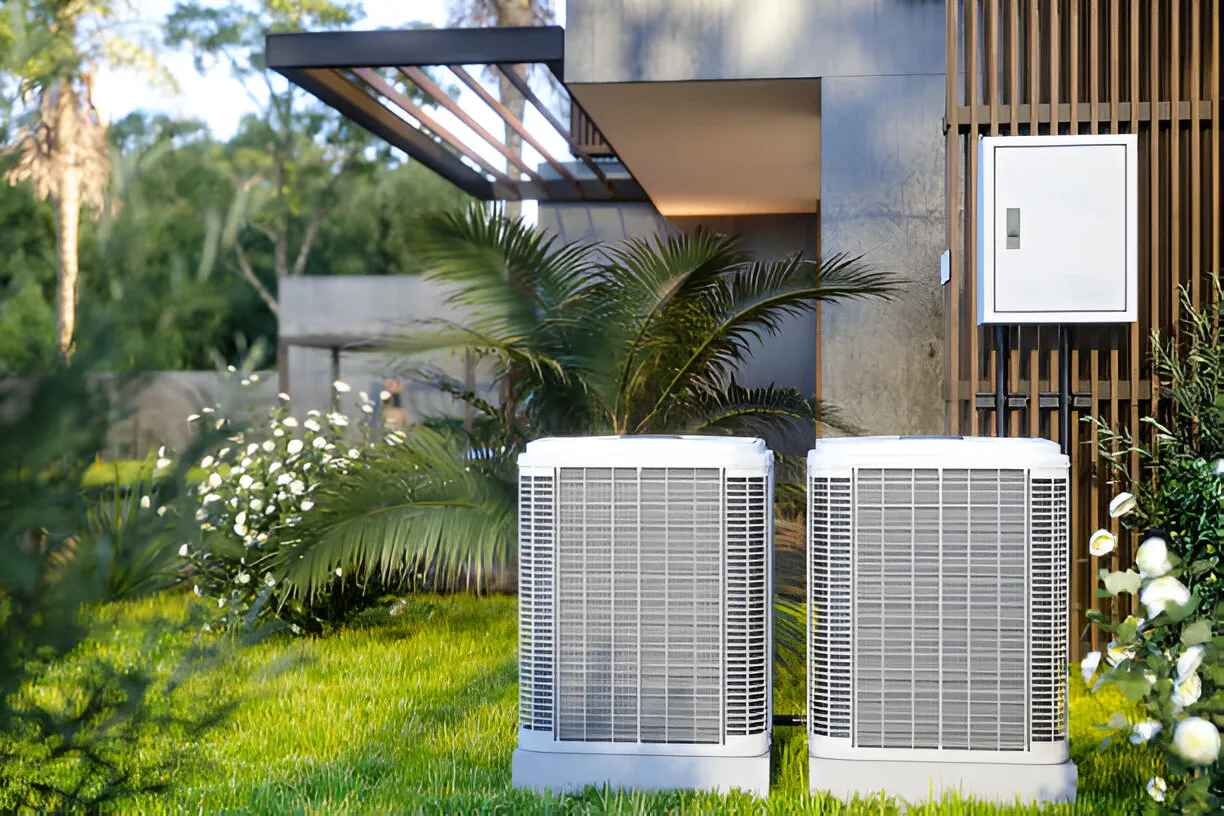
This page explains how professional HVAC repair works in OSU, common failure symptoms you will see in local homes and businesses, step-by-step diagnostic procedures, typical repairs we perform, expected service timelines, warranty expectations, emergency service options, pricing guidance, and practical guidance for scheduling a service visit. The goal is to give you the information you need to decide with confidence.
Why timely HVAC repair matters in OSU, OH
- Columbus summers are hot and humid, placing high stress on air conditioning systems. Untreated AC problems quickly lead to indoor discomfort, higher electric bills, and potential moisture-related issues like mold.
- Winters are cold; furnace and heat pump failures can create safety risks (like frozen pipes) and severe discomfort in rental properties and small businesses.
- The OSU neighborhood contains a mix of older houses, student rentals, and light-commercial units. Older ductwork, compact mechanical closets, and high occupancy rates increase wear and accelerate failures.
- Prompt, professional repair preserves equipment life, improves efficiency, and minimizes unexpected replacement costs.
Best Service Heating & Cooling has been serving central Ohio since 1992 and offers repairs tailored for OSU area homes and light-commercial properties, with technicians trained to work in tight spaces and on older systems common around campus.
Common HVAC failure symptoms in OSU homes and light-commercial properties
If you notice any of the following, a professional diagnostic is warranted:
- System not turning on or frequently cycling on and off
- Weak or inconsistent airflow from vents
- Rooms are unevenly heated or cooled, especially in upper floors or older homes
- Unusual noises: grinding, squealing, banging, or rattling
- Foul odors when the system runs, including musty or burning smells
- Higher than usual energy bills without change in usage
- Short cycling or frequent tripping of breakers
- Ice buildup on outdoor units or refrigerant lines
- Thermostat that does not respond or shows incorrect readings
- Visible refrigerant leak signs: hissing sounds, oily residue, or frost on lines
These symptoms can indicate anything from simple control issues to more serious mechanical failures like compressor or motor problems.
Diagnostic process: how a professional technician isolates the problem
A careful diagnostic avoids guesswork and unnecessary parts replacement. The typical diagnostic flow for HVAC repair in OSU, OH includes:
- Initial interview and symptom confirmation
- Technician confirms what you observed, when it started, and any recent events (power surges, renovations, pets, muffled noises).
- Visual inspection
- Check outdoor unit, indoor air handler, filter condition, duct outlets, and thermostat location.
- Look for obvious signs: oil stains, loose panels, burned wiring, rodent damage, or corroded components.
- Electrical and safety checks
- Verify power at the unit, breakers, fuses, and safety switches.
- Check condensate drain and safety float switches for blockage that can shut the unit down.
- System controls and thermostat evaluation
- Test thermostat settings, wiring integrity, and communication between thermostat and equipment.
- Refrigerant and pressure checks (for AC and heat pumps)
- Measure refrigerant pressures and temperatures to identify leaks or under/overcharging.
- Motor and compressor testing
- Use current and voltage measurements to assess motor health and compressor startup behavior.
- Airflow and ductwork evaluation
- Measure static pressure, inspect duct leaks, and evaluate fan operation and filter condition.
- Combustion and safety testing (for furnaces)
- Inspect burners, heat exchanger, and venting for cracks, blockages, or unsafe operation.
- Diagnostic report and recommended repairs
- Technicians explain findings in plain language, list repair options, estimated timelines, and parts likely required.
A thorough diagnostic reduces the chance of repeat visits. In OSU homes where space is tight and systems can be older, technicians also check for prior DIY interventions and modifications that can affect performance.
Typical repairs explained
Below are common repairs that Best Service Heating & Cooling handles for residential and light-commercial customers in the OSU area, with what each repair entails and why it matters.
- Compressor and major motor issues
- Signs: Outdoor unit does not start, humming without cooling, frequent circuit trips, burning smells.
- What technicians do: Confirm power, test start capacitors and relays, measure motor current and winding resistance, and verify compressor health. If the compressor is failing, replacement is often necessary and may require evacuation and recharge of refrigerant, new electrical components, and possible modification of mounting or refrigerant line configurations.
- Considerations: Compressor replacements are more involved and can take several hours to a full day. Older units may be evaluated for cost-effectiveness compared to replacement.
- Refrigerant leaks and recharge
- Signs: Loss of cooling capacity, frost on evaporator or refrigerant lines, hissing or oily spots near fittings.
- What technicians do: Use leak detection equipment to locate leaks, repair fittings or coil leaks when feasible, perform vacuum dehydration, and recharge the system to manufacturer specifications. Technicians also inspect for underlying causes like vibration or corrosion.
- Considerations: Refrigerant handling follows regulatory requirements and environmental best practices. Repeated leaks often indicate corrosion or mechanical damage needing more extensive repair.
- Capacitors, contactors, and control board repairs
- Signs: Unit does not start or starts intermittently, clicking sounds, or erratic behavior.
- What technicians do: Test and replace faulty capacitors, contactors, relays, or control boards. These electrical parts are common failure points and usually repairable in one visit if parts are stocked.
- Considerations: Upgrading to higher-quality or more robust components can reduce repeat failures in high-use OSU-area properties.
- Thermostat and control fixes
- Signs: Incorrect temperatures, on/off cycling, system not responding to set points.
- What technicians do: Verify thermostat calibration, wiring integrity, and control compatibility. Replace or reprogram thermostats when needed, and relocate thermostats if placement is causing false readings (for example, in direct sunlight or near kitchen heat sources).
- Considerations: Smart thermostat integration can improve comfort and energy efficiency but requires correct wiring and compatibility checks.
- Ductwork and airflow correction
- Signs: Weak airflow, hot or cold spots, high energy bills, noisy vents.
- What technicians do: Inspect ductwork for leaks, disconnected runs, crushed or blocked ducts, and inadequate insulation. Clean or repair duct sections, rebalance dampers, and advise on improvements like sealing and insulation or adding return vents.
- Considerations: Older OSU homes often have undersized or leaky ducts. Addressing airflow issues can dramatically improve comfort without replacing major equipment.
- Drainage and condensate drain repairs
- Signs: Water pooling near the air handler, pan overflow, system shutting down due to float switch.
- What technicians do: Clear clogged condensate lines, clean drain pans, replace blocked traps, and test safety switches. For recurring issues, technicians may add access points for future maintenance or install condensate pumps in tight basements.
- Considerations: Regular condensate maintenance prevents water damage and HVAC shutdowns.
- Ignition, burner, and heat exchanger repairs (furnaces)
- Signs: Furnace failure to ignite, yellow flame, frequent cycling, unusual odors.
- What technicians do: Inspect igniters, burners, flame sensors, and the heat exchanger for cracks or corrosion. Replace or clean components and test combustion safety. If the heat exchanger is compromised, replacement may be recommended due to safety risks.
- Considerations: Safety is paramount with combustion equipment. Any sign of heat exchanger damage necessitates immediate professional attention.
Expected service timelines
- Diagnostic visit: 30 minutes to 90 minutes depending on system complexity and accessibility.
- Simple repairs (capacitors, contactors, filters, thermostat): Typically completed within 1 to 3 hours on the original visit if parts are in stock.
- Moderate repairs (motor replacement, refrigerant leak repair with minor brazing): 3 to 6 hours; may require multiple visits if parts must be ordered.
- Major repairs (compressor replacement, coil replacement, full refrigerant recovery and recharge, heat exchanger replacement): Often 1 to 2 days of work. Scheduling lead times may extend if specialized parts are needed.
- Ductwork repairs or major airflow modifications: 1 to several days depending on the extent of sealing, insulation, and access required.
Technicians working in OSU homes and businesses account for restricted access windows, delivery constraints on tight streets, and potential coordination with property managers. When parts are not on the truck, technicians provide a clear plan and estimated completion timeline.
Parts and labor warranties and expectations
- Most repairs come with parts and labor warranty coverage. Typical warranty lengths vary by component:
- Standard parts warranty: 90 days to 1 year depending on the manufacturer and part.
- Labor warranty: Commonly 30 to 180 days depending on the repair and company policy.
- Extended manufacturer warranties may apply for components installed under previous service agreements. Technicians will review warranty coverage before performing non-emergency repairs.
- For light-commercial work and rental properties, documentation of repairs and part numbers is provided to landlords or property managers for record keeping and warranty claims.
- Warranties usually do not cover pre-existing mechanical damage, code-based modifications required after discovery, or failures caused by improper maintenance. Maintaining a regular service plan increases coverage options and reduces the chance of denied warranty claims.
Emergency response options in the OSU area
- Emergency HVAC needs are common in high-occupancy OSU rentals and busy campus-adjacent businesses. Emergency response typically includes:
- Priority dispatching for non-heat or non-cooling failures during peak weather events.
- After-hours availability for true emergencies that present safety risks or severe interior temperature extremes.
- Triage over the phone to guide immediate safety steps and reduce property damage risks.
- Emergency repairs may require temporary measures to restore basic function (like temporary capacitors, space heater guidance, or portable AC recommendations) until permanent parts can be sourced.
- When scheduling emergency service near campus, expect technicians to coordinate arrival windows carefully given parking and access constraints.
Pricing guidance and what influences repair cost
Pricing varies with the nature of the repair. Factors that influence cost include:
- Parts required: Major components like compressors, control boards, or heat exchangers account for the bulk of material costs.
- Labor intensity: Repairs requiring extensive disassembly, system evacuation, or ductwork modifications take longer and incur higher labor.
- System age and accessibility: Older systems or units in tight closets, crawlspaces, or condo mechanical rooms increase time and complexity.
- Refrigerant type: Newer refrigerants and reclaiming requirements can affect the cost of recharge or replacement.
- Code or permit requirements: Some repairs or replacements in commercial settings may require permits or code upgrades.
- Warranty coverage and maintenance history: Systems under warranty or with documented maintenance may have lower out-of-pocket costs for parts.
Typical ballpark scenarios (for planning purposes only, not a quote):
- Minor electrical or control repairs: lower cost range because of short labor and inexpensive parts.
- Motor or compressor-related repairs: mid to higher cost range due to parts and time.
- Full system component replacements: higher cost range and may prompt evaluation for system replacement based on age and efficiency.
Technicians provide transparent estimates before work begins, including parts, labor, warranty terms, and any potential additional charges that could arise during repair.
Preventive tips and what to expect after a repair
- Replace or check filters every 1 to 3 months depending on occupancy and filter type.
- Keep outdoor units free of debris and maintain 2 to 3 feet of clearance around condensers for airflow.
- Schedule seasonal inspections and tune-ups: spring for cooling and fall for heating.
- Maintain proper thermostat settings and consider programmable or smart thermostats for better efficiency.
- For rental properties, include HVAC inspection in tenant turnover procedures to catch small issues early.
- After repairs, monitor the system for several days and note any recurring noises, unusual cycling, or uneven temperatures. If issues persist, document them and arrange a follow-up diagnostic.
Best Service Heating & Cooling technicians leave a clear report detailing the work performed, replaced part numbers, warranty information, and recommended next steps.
How scheduling and service visits typically work
- Appointment options usually include scheduled diagnostic visits and priority or emergency dispatch for urgent issues.
- On scheduling, you can expect to be given a time window, an explanation of diagnostic fees versus repair fees, and any membership discounts for maintenance plan members.
- Technicians arrive in marked service vehicles, carry identification, and follow safety protocols for entry, especially in multi-tenant or student housing.
- During the visit technicians:
- Confirm the specific symptom or failure scenario.
- Conduct diagnosis with you present when possible to demonstrate findings.
- Explain repair options in plain language, including pros and cons, timelines, and warranty details.
- If immediate repair is approved, many common repairs are completed on the same visit; otherwise the technician will provide a clear estimate and expected return date for parts.
- For rental properties and light-commercial clients, technicians document repairs with photographs and written notes for record keeping and property management.
Why choose professional HVAC repair in OSU, OH
- Local technicians understand Columbus weather patterns and common system stressors, providing targeted solutions that reduce future failures.
- Experienced teams can navigate the specific challenges of OSU-area properties: older duct systems, tight mechanical spaces, high occupant turnover, and mixed-use buildings.
- Proper diagnostics and repairs reduce energy costs, improve comfort, and extend equipment life.
- Professional repairs follow safety codes and refrigerant handling regulations, protecting building occupants and the environment.
Hot Deals & Cool Savings

.webp)
New Service Agreement Membership
.webp)
Any New Client Service
Next Service for Referring a New Client
New Service Agreement Membership
Any New Client Service
Next Service for Referring a New Client
.webp)
.webp)

Service Areas
