
HVAC Tune-up in Linden, OH
HVAC tune-up Linden, OH: professional inspections, cleaning, and calibration to boost safety, efficiency, and comfort. Schedule your tune-up today for lower energy use.

Keeping your heating and cooling system running safely, efficiently, and reliably is essential for Linden homes where hot, humid summers and cold Ohio winters place heavy seasonal demands on HVAC equipment. A focused HVAC tune-up from Best Service Heating & Cooling targets the components that matter most: safety, refrigerant charge, airflow, combustion performance, electrical integrity, and controls.
Why a dedicated HVAC tune-up matters in Linden, OH
Linden sits in the Columbus area climate zone where summers are humid and warm and winters can be long and cold. Those temperature swings increase system runtime, accelerate wear, and worsen issues that start small — a weak capacitor, a dirty coil, or a miscalibrated thermostat — into inconvenient or unsafe failures. Regular tune-ups do more than keep your system running; they restore performance lost to dirt and age, identify safety concerns such as cracked heat exchangers or improper venting, and help reduce energy use during peak utility months. Best Service Heating & Cooling has been serving central Ohio since 1992 and applies that local knowledge to ensure tune-ups address the specific stresses Linden systems face.
What an HVAC tune-up in Linden, OH includes
A thorough tune-up is a systematic inspection, cleaning, calibration, and small-repair process. Technicians follow a checklist that covers safety, efficiency, and reliability. Typical tasks performed include:
- Safety inspections
- Visual checks of burners, flame quality, venting and flue connections, and heat exchanger condition for gas furnaces.
- Carbon monoxide screening and combustion checks where applicable.
- Verification of pressure switches, limit switches, and safety interlocks.
- Thermostat calibration and control checks
- Verify thermostat set points match actual room temperatures.
- Confirm correct operation of programmable settings and sensors.
- Inspect wiring and batteries; recalibrate as needed to prevent short cycling or incorrect temperature readings.
- Refrigerant checks and system charge verification
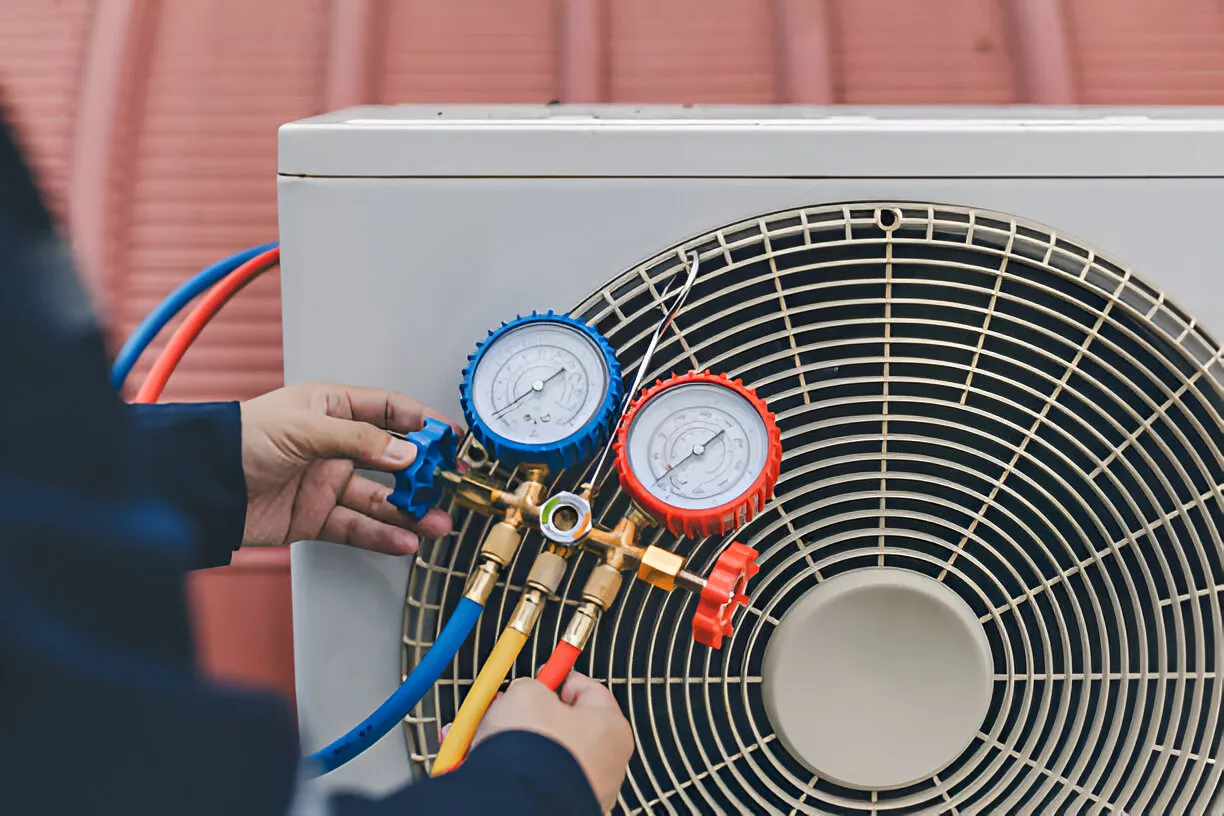
- Measure refrigerant pressures with gauges and verify correct superheat/subcooling values.
- Identify signs of leaks (oil stains, abnormal pressures) and explain next steps if a leak is suspected.
- Burner and heat exchanger inspection (for gas heating systems)
- Clean and inspect burners for proper flame pattern.
- Check heat exchanger integrity; look for corrosion or cracking that can allow combustion gases into living spaces.
- Motor, belt, and electrical checks
- Test blower motor amperage and starting components (capacitors, relays).
- Inspect belts for wear and tension; replace or adjust as necessary.
- Tighten electrical connections and measure voltage to prevent premature component failure.
- Airflow and duct assessment
- Measure supply and return temperature differentials and static pressure to assess airflow.
- Inspect visible ductwork for disconnected joints, excessive dust, or leaks that reduce efficiency and comfort.
- Clean or recommend cleaning for obstructed blower wheels or evaporator coils.
- Condensate drain and coil maintenance
- Clear condensate drains and check the pan for standing water or algae that cause overflows.
- Clean evaporator and condenser coils to restore heat transfer efficiency.
- Filter checks and IAQ considerations
- Inspect filter type and condition; recommend proper replacement intervals for local pollen and particulate loads.
- Note conditions that affect indoor air quality, such as dusty ductwork or high humidity.
Each tune-up visit also includes documentation of readings and recommended follow-ups so homeowners know current system health and priority items.
Common HVAC issues in Linden homes and how tune-ups address them
Linden homes typically experience the following common problems driven by local weather, building styles, and system age:
- Reduced cooling capacity and longer run times in summer
- Often caused by dirty coils, low refrigerant, or reduced airflow. A tune-up restores coil cleanliness, verifies refrigerant charge, and corrects airflow restrictions.
- Short cycling or inconsistent heating in winter
- Often caused by thermostat miscalibration, restricted airflow, or failing controls. Recalibrating thermostats and addressing blower/duct issues stabilizes operation.
- Higher energy bills during seasonal peaks
- Dirty components and worn parts make systems work harder. Tune-ups improve system efficiency, reducing fuel and electricity use.
- Condensate overflows and water damage
- Clogged drain lines and pans lead to secondary issues. Clearing drains and treating traps protects ceilings and flooring.
- Safety risks such as carbon monoxide or venting problems
- Cracked heat exchangers or blocked flues can cause dangerous conditions. Safety inspections detect these issues before they create hazards.
- Frequent on/off cycling or noisy operation
- A failing capacitor, worn motor bearings, or loose components can cause noise and premature failure. Tune-ups identify and correct these small items.
Addressing these issues early with a tune-up prevents escalation into costly mid-season breakdowns and often preserves warranty coverage.
The diagnostic process: what our technician does step by step
A professional tune-up follows a reproducible process. Best Service Heating & Cooling technicians use calibrated tools and documented procedures to evaluate each system:
Intake and system history
- Technician reviews system age, prior repairs, recent performance issues, and homeowner notes about noise, odors, or uneven comfort.
Visual and safety walkaround
- Inspect cabinet integrity, clearances, and create a safety checklist for combustion and electrical systems.
Electrical testing
- Measure incoming voltage and motor amperage with a multimeter and clamp meter.
- Test capacitors and contactors for proper operation and look for loose or corroded connections.
Combustion analysis (for gas systems)
- Verify proper burner operation, flame color, and perform a combustion gas analysis if required to check CO levels and efficiency.
Refrigerant system inspection
- Attach manifold gauges, measure pressures under operating conditions, and calculate superheat and subcooling to confirm charge.
- Inspect refrigerant lines, insulation, and access for oil residues that can indicate leakage.
Airflow and temperature testing
- Measure return and supply temperatures to calculate temperature split.
- Use a manometer or pitot readings to determine static pressure and assess duct performance.
Component function checks
- Observe startup and shutdown sequences, test safety switches, inspect belts, and check blower wheel condition.
- Clean or replace components that are obstructing performance, such as dirty coils or clogged filters.
Communication and recommendation
- Record findings, prioritize any repairs needed for safety or imminent failure, and present clear options for corrective action with expected benefits.
This method ensures tune-ups are not guesswork but a controlled assessment using measurable criteria.
Typical repairs and solutions uncovered during tune-ups
Not every tune-up requires repairs beyond cleaning and calibration, but common corrective actions include:
- Filter replacement or upgrade to a higher-MERV filter for better indoor air quality.
- Coil cleaning and fin straightening to restore heat transfer.
- Refrigerant leak diagnosis and repair followed by recharge, when low charge is confirmed.
- Replacement of capacitors, contactors, or ignition components that show signs of weakness.
- Blower motor lubrication, belt replacement, or motor replacement for worn bearings or failing start torque.
- Drain line clearing, condensate pump repair, or pan treatment to prevent future clogs.
- Thermostat replacement or upgrade when calibration fails or programmable features are inconsistent.
- Repair or replacement of damaged duct sections, sealing of connections, and insulation improvements for leaky duct runs.
- Heat exchanger replacement when cracks are detected; this is a safety-critical repair that often requires a system replacement decision depending on age and condition.
Technicians prioritize safety-related repairs first (for example, anything that risks combustion gas entry), then items that prevent failures and restore efficiency.
Expected outcomes from a professional HVAC tune-up
After a comprehensive tune-up you can expect:
- Improved efficiency and lower utility use
- A clean, well-charged system with correct airflow operates closer to original design efficiency and frequently reduces run times during peak months.
- Enhanced reliability and fewer emergency breakdowns
- Identifying weak components like failing capacitors or worn belts before they fail reduces the likelihood of in-season failures.
- Better comfort and more consistent temperatures
- Corrected airflow and a calibrated thermostat reduce hot and cold spots and stabilize cycles.
- Longer equipment life
- Routine maintenance reduces stress on motors, compressors, and burners, slowing wear and extending service life.
- Safer operation
- Combustion checks and heat exchanger inspections reduce carbon monoxide risk and ensure proper venting.
- Better indoor air quality
- Clean coils, proper filtration, and sealed ducts reduce particulate recirculation and control humidity more effectively.
While results vary by system age and condition, many homeowners see measurable benefit within the first billing cycle after service.
Recommended frequency and maintenance plan details for Linden homeowners
For Linden, OH conditions — significant seasonal extremes and humidity spikes — a twice-yearly tune-up schedule is the standard recommendation:
- Spring tune-up focused on air conditioning
- Clean coils, verify refrigerant charge, test capacitors, contactors, and refrigerant pressures before heavy summer use.
- Fall tune-up focused on heating
- Safety inspection, burner cleaning, heat exchanger check, and thermostat verification before winter run cycles begin.
Regular semi-annual maintenance is especially important for systems over 10 years old, high-use households, homes with pets, or households concerned about indoor air quality. Best Service Heating & Cooling maintains a preventive Maintenance Plan that offers building owners benefits such as extended equipment life, priority service options, a 15 percent discount on service calls, 24-hour emergency service eligibility, and free estimates on installations. These membership benefits reduce total ownership cost and create a predictable maintenance cadence that helps avoid mid-season failures.
Preparing your Linden home for a tune-up
You can help technicians work efficiently and get the most out of a service visit by doing a few simple things:
- Ensure clear access to the furnace/air handler, outdoor condenser, and thermostat.
- Note any noises, odors, or performance changes and provide system age and last major repairs.
- Change simple disposable filters if visibly dirty and notify the technician of filter size or replacement preferences.
- Keep pets secured and clear a path to equipment to save time for inspection and testing.
A little preparation improves the thoroughness and speed of the visit and helps technicians focus on condition assessment and repairs that matter.
Maintenance tips between tune-ups
Between professional visits, homeowners in Linden can maintain efficiency with routine care:
- Replace or clean filters monthly to every three months depending on filter type and household conditions.
- Keep outdoor condensing units clear of leaves, mulch, and grass clippings to maintain airflow.
- Maintain attic and crawl space insulation and check ductwork access panels for signs of dust leakage.
- Use a programmable thermostat or smart schedule to reduce unnecessary runtime and manage humidity during summer.
- Watch for signs of trouble: unusual sounds, vibration, water pooling, or persistent odor and report these immediately to a qualified technician.
These habits reduce strain on equipment and prolong the effects of a professional tune-up.
Why local expertise matters: Best Service Heating & Cooling in Linden, OH
Selecting a provider that understands Linden and central Ohio climates matters. Best Service Heating & Cooling has been serving Columbus area homes since 1992 and brings local experience to tune-ups. Technicians are trained to spot common regional issues such as humidity-related condensate problems, pollen and dust loadings that clog filters and coils, and the stresses cold winters place on combustion components. The company’s maintenance program is structured to reward routine care with discounts and service benefits that lower long-term ownership costs. A tune-up from a local provider focuses on practical improvements tailored to both your home and the seasonal demands of Linden weather.
How tune-ups tie into broader home comfort strategy
A tune-up is a critical component of an overall home comfort strategy that includes proper insulation, duct sealing, thermostat settings, and indoor air quality measures. When combined with periodic duct cleaning, appropriate filtration levels, and a sensible thermostat program, tune-ups:
- Maximize comfort without oversizing equipment
- Reduce humidity during summer for better perceived cooling
- Ensure safe and efficient combustion heating in winter
- Preserve equipment warranties through documented maintenance
Planning tune-ups as part of a maintenance calendar for your home keeps you ahead of breakdowns and improves both safety and efficiency.
Hot Deals & Cool Savings

.webp)
New Service Agreement Membership
.webp)
Any New Client Service
Next Service for Referring a New Client
New Service Agreement Membership
Any New Client Service
Next Service for Referring a New Client
.webp)
.webp)

Service Areas
