
HVAC Installation in Linden, OH
HVAC installation Linden, OH by pros: precise load calculations, expert installation, post-install testing, warranties, and financing options. Learn more.

Upgrading or installing a new HVAC system is one of the most impactful investments you can make in your Linden, OH home. Proper installation affects comfort, energy use, indoor air quality, and long term operating costs. Best Service Heating & Cooling approaches every HVAC installation as a tailored solution: we combine on-site assessment, precise load calculations, equipment recommendations, professional installation practices, code and licensing compliance, and thorough post-install testing to give Linden homes a reliable, efficient heating and cooling system built for Ohio weather.
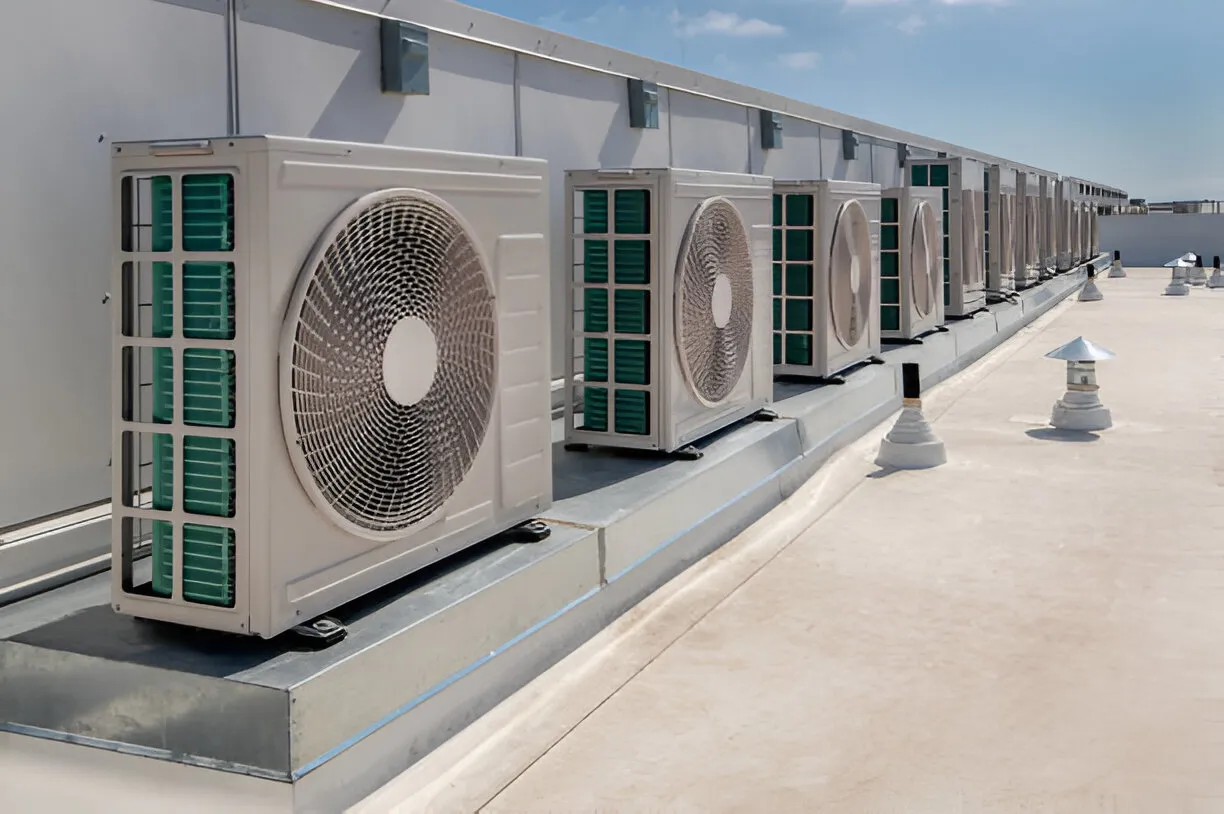
Why a professional HVAC installation matters in Linden, OH
Linden experiences hot, humid summers and cold winters with occasional snow and ice. Those seasonal extremes make system sizing and proper installation critical. An undersized system will struggle on peak days, while an oversized unit will short cycle, waste energy, and decrease comfort. Poor ductwork, leaks, or improper refrigerant charge can erase the efficiency gains of a high-end system. Choosing the right equipment and installing it correctly ensures consistent comfort, better humidity control during summer, dependable heating in winter, and the longevity of your investment.
Common reasons Linden homeowners replace HVAC systems
- Aging equipment that fails repeatedly or needs frequent repairs
- Rising energy bills despite routine use
- Uneven temperatures across rooms or poor humidity control
- Noisy operation, poor indoor air quality, or visible signs of wear
- Home remodels, additions, or wanting improved energy efficiency
- Need to switch fuel types (electric heat pump vs gas furnace) for efficiency or fuel price reasons
What to expect during an on-site assessment
A thorough, on-site assessment forms the foundation of a reliable installation. The assessment typically includes:
- Visual inspection of existing equipment, ductwork, vents, and the mechanical closet or attic
- Measurement of conditioned space, ceiling heights, insulation levels, window area and orientation, and building envelope characteristics
- Evaluation of duct condition: leakage, insulation, size, and routing
- Inspection of electrical service capacity and panel space
- Check of gas piping size and condition if switching or installing a gas furnace
- Identification of any ventilation, combustion air, or backdrafting concerns
- Discussion about comfort goals, budget range, and any specific needs such as zoning or improved indoor air quality
The outcome of this assessment is a clear installation plan based on site-specific needs rather than guesswork.
Accurate load calculations and system selection
Professional installations use industry-standard load calculation methods to size equipment correctly:
- Heat loss and heat gain calculations (Manual J) determine the precise heating and cooling capacity required by your home.
- Duct design (Manual D) verifies that supply and return duct sizing and layout will deliver balanced airflow.
- Equipment selection (Manual S) matches equipment features and capacity to the calculated load and your performance goals.
These calculations help avoid common problems: oversized equipment, insufficient airflow, short cycling, and poor humidity control. In Linden, where humidity frequently spikes in summer, proper dehumidification capability and sensible cooling capacity are important selection criteria.
Recommended equipment for Linden homes
Best Service Heating & Cooling evaluates multiple equipment types to match the unique needs of your Linden home. Typical options include:
- Central air conditioners and gas furnaces: Traditional split systems remain a reliable choice for many homes. Look for high SEER ratings for cooling and high AFUE ratings for furnaces to maximize efficiency.
- High-efficiency heat pumps: Modern cold-climate heat pumps provide efficient heating and cooling, often outperforming older electric or gas systems in energy savings and year-round comfort. In Linden winters, cold-climate models maintain capacity at lower temperatures.
- Ductless mini-split systems: Ideal for room additions, finished basements, or homes without ductwork. Mini-splits provide room-by-room zoning and excellent efficiency.
- Hybrid systems: Combining a heat pump with a gas furnace can optimize efficiency across temperature ranges.
- Variable-speed and inverter-driven equipment: Variable-speed compressors and ECM blowers improve comfort by running at lower speeds for longer periods, reducing humidity and temperature swings.
- IAQ and ventilation: After a system installation, adding air filtration, UV germicidal lights, humidifiers, or energy recovery ventilators can address indoor air quality or moisture issues common in Ohio homes.
Equipment selection considers energy efficiency ratings, features such as two-stage or modulating operation, compatibility with smart thermostats and zoning systems, and manufacturer support.
Professional installation steps
A professional installation follows a disciplined sequence to ensure safety, performance, and code compliance:
Site preparation and protection
- Clear work area, protect flooring and landscaping, and set up containment for debris.
Safe removal and disposal
- Remove old equipment safely, reclaim refrigerant per regulations, and dispose of the unit and materials responsibly.
Ductwork evaluation and upgrades
- Repair or replace leaky or undersized ducts, add proper insulation where required, and balance the system for even airflow.
Mechanical and structural modifications
- Install new equipment pads, platforms, or framing as needed; route refrigerant lines, condensate drains, and ventilation flues properly.
Refrigerant handling and brazing
- Proper evacuation, brazing, and pressure testing of the refrigerant circuit to prevent leaks and comply with EPA rules.
Electrical and gas connections
- Ensure correct wire sizing, circuit protection, and secure gas piping with pressure testing and leak checks.
Venting and combustion safety
- Correct venting for combustion appliances, combustion air provision, and carbon monoxide safeguards where applicable.
Insulation and sealing
- Seal joints, insulate refrigerant lines, and close wall or ceiling penetrations to maintain thermal integrity.
Controls and thermostat setup
- Install and configure thermostats, sensors, wiring, and control systems including smart control integration or zoning thermostats.
Startup and system charge
- Charge refrigerant to manufacturer specifications, verify airflow and blower performance, test safety switches, and confirm proper operation.
Each step follows manufacturer installation requirements. Proper execution helps preserve manufacturer warranties and ensures the system operates as designed.
Code, licensing, and environmental compliance
Installing HVAC in Linden requires compliance with state and local codes. Best Service Heating & Cooling follows Ohio licensing and permitting requirements and carries the appropriate contractor licensure and insurance. Key compliance elements include:
- Obtaining necessary permits and scheduling inspections with local authorities
- Following Ohio Building Code and applicable mechanical and electrical codes
- Ensuring refrigerant handling is done by EPA 608-certified technicians
- Adhering to manufacturer installation instructions required to maintain warranty coverage
- Performing combustion safety and carbon monoxide testing for fuel-burning appliances
Compliance protects homeowners from safety risks, helps pass final inspections, and prevents costly rework.
Post-install testing and commissioning
A competent installation ends with a rigorous commissioning process to verify real-world performance:
- Airflow and static pressure measurements confirm adequate distribution
- Refrigerant superheat and subcool readings validate proper charge
- Electrical load and current checks ensure safe operation and correct sizing
- Thermostat calibration and setpoint verification confirm accurate control
- Safety control tests include high-limit, pressure switches, and emergency shutdowns
- Combustion efficiency and carbon monoxide testing for furnaces or boilers
- Temperature split measurements across evaporator coils to confirm cooling performance
- System balancing and final register adjustments for even comfort
- A documented start-up report and equipment registration help maintain warranty validity
Commissioning ensures the new system performs efficiently from day one and reduces callbacks.
Warranty protection and long-term reliability
Protecting your investment involves two warranty layers:
- Manufacturer warranty: Covers defects in materials and manufacturing for specified periods. Registration and adherence to installation requirements and scheduled maintenance are often conditions of coverage.
- Labor warranty: Best Service Heating & Cooling provides labor and workmanship coverage for installations. Clear documentation of warranty terms, exclusions, and maintenance obligations is part of every installation packet.
Regular maintenance, including seasonal tune-ups, filter changes, and timely filter upgrades, is essential to keep warranties valid and systems operating efficiently.
Financing options and payment considerations
A professionally installed HVAC system can be financed in many ways. Typical financing structures available to homeowners include deferred interest promotions, low monthly payment plans, or term loans allowing budget flexibility. Financing availability depends on credit, program parameters, and lender terms. Financing can be particularly useful when a project requires additional ductwork, electrical upgrades, or energy efficiency improvements that increase upfront costs but deliver long-term savings.
Common installation challenges in Linden homes and solutions
Older homes or specific site conditions in Linden can present installation challenges. Experienced installers anticipate and solve these issues:
- Limited attic or crawlspace access: Compact equipment, creative routing, or mini-splits can avoid expensive structural modifications.
- Inadequate ductwork: Replacing or augmenting ductwork, sealing with mastic, and adding insulation improves performance and efficiency.
- Electrical panel capacity: Upgrading service or adding dedicated circuits may be necessary for modern systems.
- Gas line sizing: Installing a high-efficiency furnace or hybrid system may require gas line upgrades and pressure adjustments.
- Historic or sensitive properties: Non-invasive installation techniques and careful routing protect home character while improving comfort.
Addressing these challenges during the planning phase prevents surprises and keeps projects on schedule.
What affects the cost and timeline of an installation
Project cost and duration vary based on several factors:
- System type and efficiency level chosen
- Requirement for ductwork repair or replacement
- Need for electrical or gas service upgrades
- Complexity of work such as adding zoning, multiple indoor units, or long refrigerant line runs
- Permit processing and inspection scheduling
- Structural modifications required for equipment placement
A typical straight replacement in a home with existing, serviceable ductwork often takes one to two days. More complex installations, duct redesigns, or work requiring electrical or gas upgrades can extend the timeline.
The measurable benefits of a correct installation
A properly selected and professionally installed HVAC system delivers measurable benefits:
- Improved comfort with stable temperatures and better humidity control
- Lower monthly utility bills from optimized equipment operation
- Fewer repairs and longer equipment life from correct installation and maintenance
- Enhanced indoor air quality from proper filtration and ventilation measures
- Increased home resale value due to modern, efficient systems and documented maintenance
These benefits reinforce why a decision made at the installation stage has long term impact.
Preparing your Linden home for installation
A little preparation on the homeowner side makes installation smoother:
- Clear access to the HVAC closet, attic hatch, or outdoor unit location
- Remove fragile or valuable items from the immediate work area
- Make arrangements for pets and children to be away from the work zone for safety
- Gather recent energy bills and any existing equipment documentation for technician review
- Note any rooms with chronic comfort issues to discuss during the assessment
Technicians will provide specific guidance tailored to your installation plan.
Maintenance afterward: keeping the system optimal
After installation, routine maintenance preserves efficiency and reliability. Recommended steps include:
- Seasonal tune-ups for cooling and heating systems
- Regular filter changes according to filter type and home conditions
- Annual duct inspections and cleaning as needed
- Timely attention to minor issues before they become major failures
- Maintaining proper clearance around outdoor units for airflow
Best Service Heating & Cooling offers maintenance programs designed to extend equipment life and maintain efficiency over time.
Hot Deals & Cool Savings

.webp)
New Service Agreement Membership
.webp)
Any New Client Service
Next Service for Referring a New Client
New Service Agreement Membership
Any New Client Service
Next Service for Referring a New Client
.webp)
.webp)

Service Areas
