
HVAC Repair in Linden, OH
HVAC repair Linden OH: trusted residential and light-commercial experts delivering precise diagnostics, reliable fixes, and flexible financing. Learn more today.

When an air conditioner fails on a humid Linden summer afternoon or a furnace stops blowing warm air during a cold snap, the result is immediate discomfort and concern. Best Service Heating & Cooling provides professional residential and light-commercial HVAC repair in Linden, OH, focused on accurate diagnosis, reliable repairs, and long-term system performance.
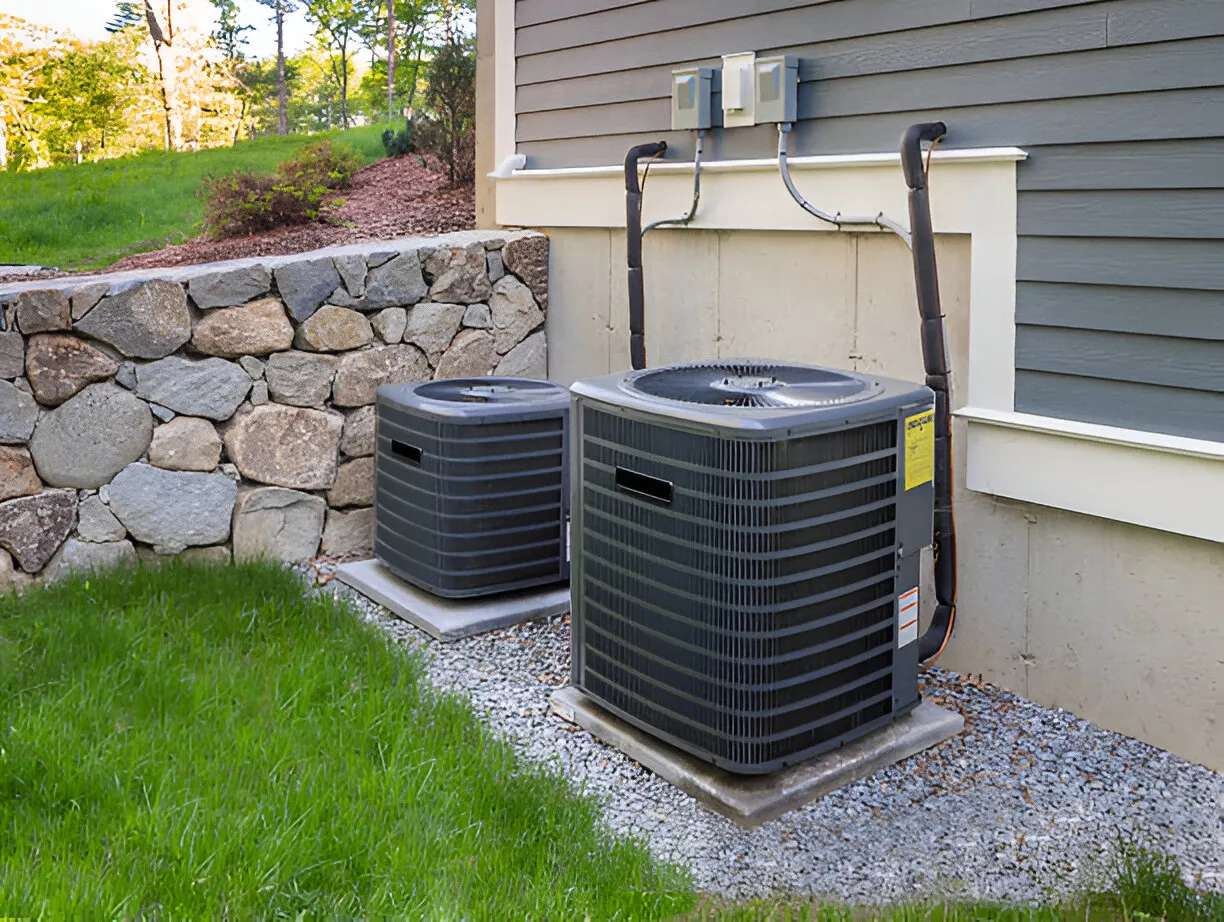
Why focused HVAC repair matters in Linden, OH
Linden is part of the greater Columbus area with hot, humid summers and cold, sometimes snowy winters. That seasonal swing puts heavy stress on air conditioners in July and on furnaces in January. Many homes in Linden are older or contain mixed HVAC configurations, which can mean complex duct runs, aging equipment, and unique installation constraints. Timely, professional HVAC repair preserves comfort, prevents indoor humidity and air quality problems, reduces energy waste, and safeguards components that are expensive to replace. For light-commercial properties in the neighborhood, reliable climate control also protects inventory, electronics, and occupant productivity.
Common HVAC problems in Linden homes and light-commercial properties
- Air conditioner not cooling or short cycling
- Reduced airflow from vents or weak cooling/heating performance
- Frozen evaporator coil or ice on outdoor condenser
- Refrigerant leaks and low charge
- Bad compressor or condenser fan motor failures
- Furnace not starting, short cycling, venting issues, or strange noises
- Pilot light or ignition control failures on gas furnaces and boilers
- Heat exchanger cracking or combustion safety faults
- Duct leaks, blocked ducts, and poor return airflow
- Thermostat errors, wiring faults, and control board failures
- Condensate drain clogs and secondary drain pan overflows
- Ductless mini split indoor unit malfunctions or communication errors
- Boiler pressure loss, circulation pump failure, or valve problems
Many of these issues present as similar symptoms, so a methodical diagnostic process is essential to identify root causes rather than chasing surface symptoms.
Diagnostic approach: how professionals identify the real problem
A professional HVAC diagnostic centers on safety, system history, and a step-by-step examination to isolate the failure. Best Service Heating & Cooling technicians typically follow this approach for Linden properties:
System history and symptom interview
- Confirm when the issue started, recent service history, and any changes in system behavior.
Visual inspection
- Check the outdoor unit, indoor cabinet, filters, duct connections, electrical components, and visible refrigerant lines.
Safety checks
- Verify proper combustion air, flue integrity, and that safety controls have not tripped on gas appliances.
Electrical testing
- Measure voltage and amperage to motors, test contactors, relays, fuses, and control boards to identify electrical faults.
Airflow and duct assessment
- Measure static pressure and inspect return and supply registers. Check blower motor operation and filter condition.
Refrigeration system evaluation
- For air conditioners and heat pumps, check refrigerant pressures, superheat and subcooling values, and look for signs of leaks or oil.
Combustion and heat-transfer checks
- On furnaces and boilers, inspect burners, ignition systems, heat exchanger condition, and flame characteristics.
Controls and diagnostics
- Read error codes on modern systems, evaluate thermostat programming and sensor operation, and test control logic.
Performance validation
- After corrective measures, confirm temperature split, airflow, safety operation, and stable cycling.
This structured diagnostic process reduces unnecessary parts replacement and pinpoints the correct repair path.
Typical repair workflows you can expect
Repairs are delivered with transparency and industry-standard practices. A typical workflow includes:
- Initial diagnosis and documentation of findings
- Recommendation of repair options with reasons and expected outcomes
- Parts procurement, prioritizing OEM or manufacturer-approved components when available
- On-site repair, replacement of failed components, or interim measures for emergencies
- System testing under load and verification of performance metrics
- Safety checks and cleanup of work area
- Post-repair documentation of work performed, parts used, and warranty information
For light-commercial customers, additional documentation may include compliance checks, records for building managers, and staged repairs to minimize business disruption.
Emergency and after-hours response
HVAC emergencies can pose safety risks and operational interruptions. Best Service Heating & Cooling recognizes that failures do not always occur during business hours. Emergency response protocols typically include:
- Rapid triage to assess whether the issue is hazardous (gas smell, carbon monoxide concerns, electrical smoke)
- Priority dispatching of trained technicians for life-safety issues
- Temporary, safe measures to stabilize systems when full repair cannot be completed immediately
- Clear communication about the problem, expected repair timeline, and whether the situation requires shutdown or evacuation
Technicians will always prioritize occupant safety first, then system stabilization, followed by permanent repairs.
Parts, warranties, and quality assurance
Durable repairs start with quality parts and proper installation practices. Key points about parts and warranty practices include:
- Preference for OEM parts or manufacturer-approved replacements to protect system integrity and maintain equipment warranties when possible
- Clear identification of which parts carry manufacturer warranties and which may have limited aftermarket warranties
- Explanation of labor warranty policies covering workmanship after repair completion
- Proper documentation and warranty registration when required to preserve coverage
- Use of industry best practices for refrigerant handling, combustion adjustments, electrical connections, and system charging to avoid premature failures
For systems still covered by equipment warranties, techniques are used to minimize impacts on coverage. For older systems out of warranty, technicians will explain tradeoffs between repair and replacement options, focusing on long-term cost of ownership and reliability.
Troubleshooting tips Linden homeowners can try first
Before scheduling professional service, homeowners can check a few simple items safely to identify minor issues:
- Check and replace the air filter if dirty. Restricted airflow is a leading cause of poor performance.
- Confirm the thermostat is set to the correct mode and temperature and that the batteries (if used) are fresh.
- Verify breakers in the electrical panel and any external disconnects near the outdoor unit are in the on position.
- Clear debris and vegetation at least two feet from the outdoor condenser to ensure adequate airflow. Turn off power before doing any cleaning close to components.
- Listen for unusual sounds: a humming fan, rattles, or grinding may indicate motor or fan issues.
- For air conditioners, check the condensate drain and pan; if clogged, the float switch may have tripped and shut the system down.
- On gas appliances, confirm that vents and flue outlets are unobstructed and that there is no visible soot buildup.
- For ductless systems, make sure indoor unit filters are clean and that the outdoor unit is free of leaves and debris.
- If the system has an error code or flashing lights on the control board or thermostat, record the code and model number to share with a technician.
These steps will help determine whether the issue is simple to resolve or requires professional diagnostic tools and expertise.
What affects HVAC repair cost
Repair cost varies by the scope and complexity of the problem. Factors that influence cost include:
- Component type and availability - major components like compressors, control boards, or heat exchangers are more expensive and sometimes require lead time for delivery.
- Age and model of equipment - older systems may have discontinued parts or require adaptation.
- Access and installation complexity - tight mechanical rooms or rooftop units require more labor and specialized equipment.
- Safety and code compliance - gas, venting, or electrical corrections may require additional permitting, testing, or upgrades.
- Extent of damage - secondary failures caused by a single fault, such as motor burnout due to electrical issues, increase repair scope.
- Time sensitivity and emergency service - after-hours or expedited parts delivery can affect the overall invoice.
- Light-commercial vs residential scope - commercial systems may be larger and require multi-stage repairs, phased work, or downtime coordination.
Rather than providing an upfront price without context, professionals typically provide a clear estimate based on the diagnostic findings and outline options including repair only, repair plus recommended preventative work, or replacement if repair is not the most economical long-term decision.
Maintenance plans and preventing future breakdowns
Preventative maintenance is the most effective strategy to minimize repair needs and extend equipment life. Best Service Heating & Cooling offers service agreement options designed for long-term reliability. Typical features of a formal maintenance program include:
- Scheduled tune-ups twice per year for heating and cooling systems
- Filter and safety control inspection and recommendations
- System performance checks and adjustments to optimize efficiency
- Priority scheduling for service visits and discounted repair rates
- Documentation of service history that helps preserve warranty coverage
- Early detection of developing faults to avoid emergency failures
A structured maintenance plan reduces utility costs, improves indoor comfort, and lowers the likelihood of seasonal breakdowns that occur when systems are under peak load in Linden summers and winters.
Financing options and planning for major repairs
When a repair is uneconomical compared to replacement or when a major component fails, financing options help homeowners and small business owners spread the cost over time. Typical financing program features include:
- Flexible repayment terms to match household or business cash flow
- Options that cover full replacement projects or major component repairs
- Coordination with estimate documentation and clear terms for monthly obligations
- Preapproval pathways that help customers understand payment options before work begins
Discussing financing and long-term cost of ownership is important when evaluating whether to repair an aging system or invest in a new, more efficient unit.
Safety and compliance: critical elements of HVAC repair
Repairs must adhere to safety standards and local codes to protect occupants and property. Professionals ensure compliance by:
- Testing for carbon monoxide and verifying correct combustion and venting on gas-fired appliances
- Securing electrical connections and ensuring proper breaker sizing and grounding
- Following EPA regulations for refrigerant handling and recovery
- Replacing damaged flue pipes, exhaust vents, or gas connections that pose hazards
- Installing or recommending carbon monoxide and smoke detectors when appropriate
- Documenting all work performed for future service and code verification
Unsafe or incomplete repairs can create ongoing hazards, so thorough compliance checks are non-negotiable.
How Best Service Heating & Cooling approaches each repair in Linden
Best Service Heating & Cooling brings decades of local experience to Linden HVAC repair work. Core elements of the company approach include:
- Local knowledge of Linden housing styles, typical installation constraints, and seasonal load patterns
- Trained technicians who use industry-standard diagnostic equipment and documented procedures
- Transparent communication about findings, repair options, parts used, and warranty coverage
- Emphasis on long-term value and system efficiency when recommending repairs versus replacement
- Proper permitting and documentation for work that affects safety, gas piping, or building systems
- Maintenance plan options to keep systems operating reliably and reduce total cost of ownership
Technicians work to minimize disruption while ensuring repairs are done right the first time, protecting indoor comfort and system longevity.
When to repair and when to consider replacement
Repair is usually the best choice when the equipment is relatively new, a single component has failed, and the repair will restore safe, efficient operation. Replacement becomes more appropriate when:
- The system has multiple failing components or frequent breakdowns
- Efficiency gains from new equipment will yield meaningful energy savings in a reasonable timeframe
- The system uses refrigerants that are phased out and costly to service
- Repair costs approach the value of a new system when considering remaining expected life
A careful evaluation that includes both immediate repair needs and long-term operating costs helps property owners in Linden make the most informed decision.
Documentation and records matter
A comprehensive record of service, parts replaced, warranty registrations, and permit copies protects property owners and managers. Documentation supports future service decisions, warranty claims, and resale disclosures for homes or businesses. Best Service Heating & Cooling provides detailed notes after each service call to build this important history.
Hot Deals & Cool Savings

.webp)
New Service Agreement Membership
.webp)
Any New Client Service
Next Service for Referring a New Client
New Service Agreement Membership
Any New Client Service
Next Service for Referring a New Client
.webp)
.webp)

Service Areas
