
HVAC Tune-up in German Village, OH
HVAC tune-ups in German Village, OH improve comfort and efficiency. Schedule a professional seasonal inspection today for safer, quieter, energy-saving home performance.

A seasonal HVAC tune-up is one of the most effective, decision-stage investments a homeowner can make to protect comfort, reduce unexpected repair costs, and keep energy bills under control. In German Village, OH, where older brick homes, narrow lot layouts, and humid summers place specific demands on heating and cooling systems, a detailed tune-up is not just routine maintenance. It is essential to preserve system reliability and indoor comfort throughout the year. Best Service Heating & Cooling brings decades of local experience to every tune-up, focusing on safety, efficiency, and long-term value for your home.
Why a professional HVAC tune-up matters for German Village homes
German Village homes are often historic, with original construction features that influence how HVAC systems perform. Thick brick, smaller windows, and varying insulation levels can create pockets of thermal retention and higher humidity during the summer. Narrow basements and tight utility closets make airflow and equipment clearance especially important. Regular, expert tune-ups help prevent common problems that arise from these conditions by ensuring your system is balanced, sealed, and operating at peak capacity.
Common homeowner pains a tune-up addresses:
- Rooms that never seem to reach the set temperature
- Short cycling, frequent on/off cycles, or noisy startup
- Humidity that lingers in summer months
- Rising energy bills without an obvious cause
- Concerns about safety or sudden breakdowns in extreme weather
What a full HVAC tune-up includes
A professional seasonal tune-up is a thorough, multi-point inspection and service procedure. Below is a detailed checklist of the specific tasks Best Service Heating & Cooling performs during an HVAC tune-up in German Village, OH, and why each task matters.
- Safety inspection
- Inspect combustion components and venting on gas furnaces to verify safe operation.
- Check for carbon monoxide pathways and signs of soot or improper combustion.
- Confirm that safety switches and limit controls are functioning properly.
- Why it matters: Safety inspections reduce the risk of dangerous conditions and give you peace of mind during winter heating months.
- Filter inspection and replacement
- Evaluate filter type and MERV rating, check for dirt accumulation, and replace or recommend upgrades as needed.
- Educate homeowners on proper filter change frequency based on usage, pets, and indoor air quality.
- Why it matters: Clean filters maintain airflow, protect components, and improve indoor air quality and efficiency.
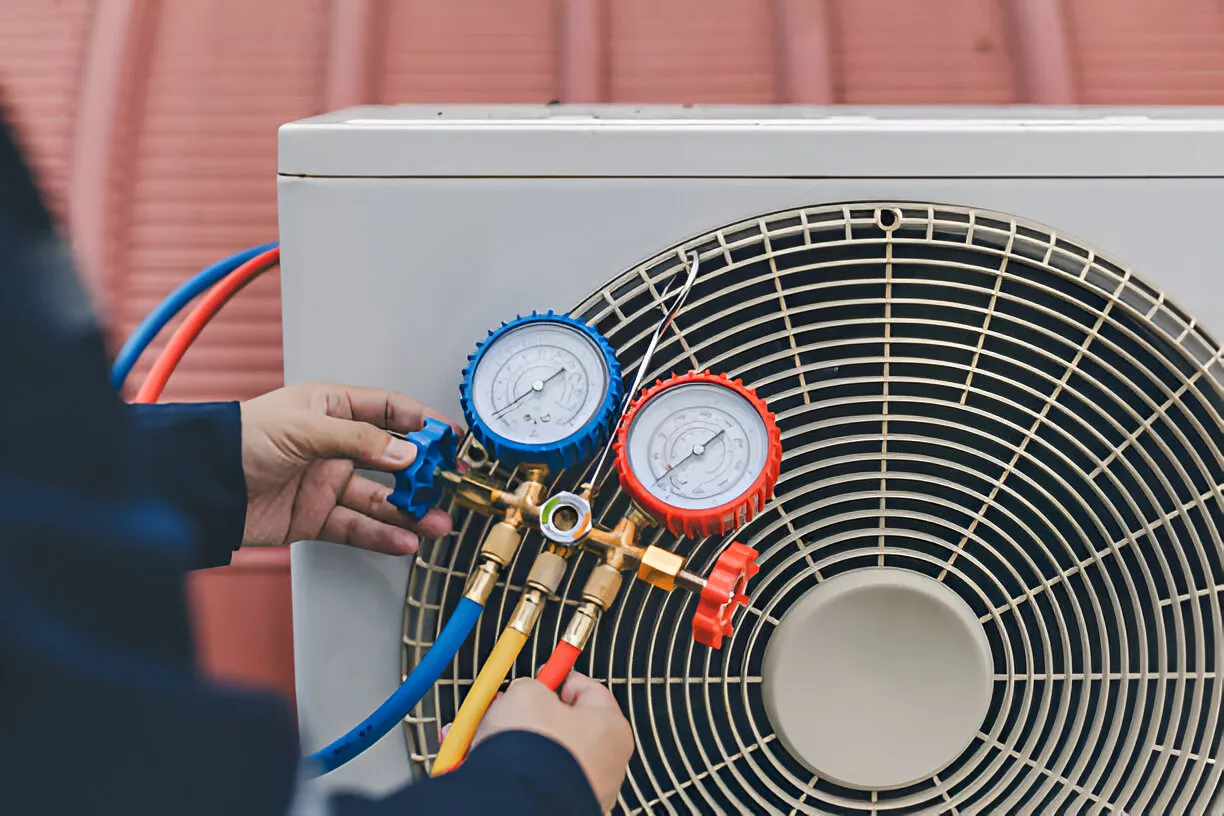
- Refrigerant and pressure checks
- Measure refrigerant pressures and temperatures to verify correct charge levels.
- Inspect for signs of refrigerant leaks (ice buildup, oil stains) and test components if charge is low.
- Evaluate compressor performance and refrigerant circuit health.
- Why it matters: Correct refrigerant charge is essential for cooling capacity, efficiency, and preventing compressor damage.
- Electrical system and ignition testing
- Test and tighten electrical connections, inspect contactors, relays, capacitors, and breakers.
- Check ignition systems on furnaces and heat pumps for reliable starts.
- Measure voltage and amperage where appropriate to identify stressed components.
- Why it matters: Electrical faults are common causes of sudden failures; early detection extends equipment life and avoids costly emergency repairs.
- Thermostat calibration and control checks
- Verify thermostat accuracy against actual room temperatures and recalibrate as necessary.
- Inspect wiring, setpoints, and scheduling functions for programmable and smart thermostats.
- Why it matters: An accurately calibrated thermostat maintains comfort, reduces runtime, and avoids unnecessary cycling.
- Airflow and blower system checks
- Inspect blower motor, wheel, and housing for dust, wear, and proper rotation.
- Measure airflow qualitatively and check for duct obstructions, disconnected sections, or significant leaks.
- Assess return and supply balance and look for dampers that may be improperly set.
- Why it matters: Proper airflow is critical for system efficiency, heat exchange, and preventing freeze-ups or overheating.
- Condensate and drain inspections
- Clear and flush drain lines, inspect the condensate pan, and verify proper drainage.
- Check for microbial growth or clogs that can cause water damage.
- Why it matters: Blocked drains can trigger system shutoffs, create indoor humidity issues, and damage ceilings or floors.
- Visual inspection of ductwork and distribution
- Look for disconnected ducts, major leaks, or heavily insulated sections that may restrict flow.
- Recommend repair or sealing where obvious losses exist.
- Why it matters: Leaky ducts reduce usable capacity, increase energy waste, and contribute to uneven temperature distribution in older German Village homes.
- Lubrication and component inspection
- Lubricate motors and moving parts where required and inspect belts for wear and correct tension.
- Why it matters: Proper lubrication reduces friction, wear, and the risk of mechanical failure.
- System performance documentation
- Record static pressures, operating temperatures, and baseline performance data.
- Provide a summary of findings and recommended follow-up actions for any issues identified.
- Why it matters: Documentation creates a service history that helps with future diagnostics and warranty support.
The tune-up process: what to expect during the visit
Technicians begin with a walkthrough to understand homeowner concerns and observe symptoms in real time. They then follow a logical diagnostic flow: safety checks, filter and airflow assessment, electrical and ignition testing, refrigerant and system performance checks, and finally a review with the homeowner. Each step includes measurements and visual inspections to ensure nothing is overlooked.
Technicians will:
- Verify system age, model, and service history to tailor the tune-up to the specific equipment.
- Use manufacturer guidelines and industry best practices to set clear performance targets.
- Explain any immediate findings and separate urgent repairs from preventative recommendations.
- Record operational readings to compare against future tune-ups for trend analysis.
This structured approach reduces guesswork and allows you to make informed decisions about repairs, upgrades, or efficiency improvements.
Expected outcomes: measurable and practical benefits
A professional HVAC tune-up delivers both immediate and long-term benefits that are easy to quantify and notice in daily life.
Immediate results you will notice:
- More consistent indoor temperatures in all rooms
- Quieter operation and smoother startups
- Faster recovery to desired temperatures after large changes
- Fewer unexpected trips to the breaker or nuisance shutdowns
Tangible, measurable improvements over time:
- Improved energy efficiency: well-tuned systems often use less energy to deliver the same comfort, commonly resulting in lower monthly utility bills.
- Extended equipment life: routine maintenance reduces wear on key components, delaying costly replacements.
- Reduced emergency repairs: many issues are found during tune-ups before they develop into failures.
- Better indoor air quality: clean filters and clear condensate systems help reduce allergens and airborne particles.
Quantifying savings depends on system condition, but even older systems can gain measurable improvements after proper balancing, cleaning, and refrigerant adjustments.
Recommended tune-up schedule for German Village, OH
Seasonal rhythms matter. For typical homes in German Village, the following schedule is recommended for reliable comfort and efficiency:
- Cooling systems
- Annual tune-up in early spring, before the first heat wave.
- Ideal timing: March to early April, after pollen season and before peak cooling demand.
- Heating systems
- Annual tune-up in late fall, before sustained cold weather.
- Ideal timing: October to mid-November, while furnaces are idle and before heavy use.
- High-use or older systems
- Twice per year: both spring and fall service for homes with older equipment, homes with heavy occupancy, or properties with known issues.
- Systems with intermittent performance or homeowners who prioritize maximum reliability should consider semi-annual checks.
- Filters and minor items
- Filters should be inspected monthly and replaced according to load (monthly to quarterly).
- Condensate lines and minor safety checks can be performed seasonally as part of the tune-up.
This schedule balances cost and benefit. For many German Village homes, scheduling a cooling tune-up in spring and a heating tune-up in fall reduces the likelihood of mid-season failures.
How tune-ups fit into a preventative maintenance plan
A single tune-up is valuable, but integrating tune-ups into an annual preventative maintenance plan multiplies the benefits. Maintenance plans provide a predictable cadence of service, priority scheduling, and often include discounts on repairs and replacements. They also build a documented service history that protects warranties and informs long-term system planning.
Typical features of a preventative maintenance plan:
- Scheduled seasonal inspections with documented performance checks
- Priority response for breakdowns during peak weather periods
- Discounted service rates for plan members to lower the cost of repairs
- Record keeping that supports warranty claims and equipment lifecycle planning
For homeowners who prefer a hands-off approach to comfort management, plans ensure systems are evaluated proactively rather than reactively. Best Service Heating & Cooling has maintained long-standing relationships with German Village residents and understands how preventative maintenance fits local homeownership priorities, from preserving historic structure integrity to managing comfort in smaller, more airtight homes.
Common tune-up discoveries and practical solutions
During tune-ups, technicians frequently uncover issues that explain symptoms homeowners have been living with. Here are common discoveries and how they are typically handled:
- Low refrigerant charge
- Discovery: Reduced cooling capacity, longer run times, or frost on lines.
- Action: Pressure testing, locate and repair leaks, and recharge only after leak resolution.
- Long-term: Addressing leaks prevents compressor failure and restores efficiency.
- Dirty evaporator or condenser coils
- Discovery: Poor heat exchange and higher run times.
- Action: Professional coil cleaning to restore thermal transfer.
- Long-term: Improved cooling and lower energy use.
- Worn capacitors or failing motors
- Discovery: Slow start, humming, or intermittent operation.
- Action: Replace worn electrical components to restore reliable operation.
- Long-term: Prevents sudden mid-season breakdowns.
- Duct leaks or poor distribution
- Discovery: Uneven room temperatures and high energy usage.
- Action: Localized sealing or rerouting recommendations; insulation improvements where feasible.
- Long-term: Improved comfort and reduced wasted heating or cooling.
- Thermostat miscalibration
- Discovery: Discrepancy between set temperature and actual room temperature.
- Action: Recalibration or upgrade to a more accurate control.
- Long-term: More stable comfort with less cycling.
Addressing these items during routine maintenance is almost always less expensive than waiting for a component to fail completely.
When a tune-up is not enough
A tune-up detects and corrects many issues, but sometimes the technician will identify repair or replacement needs. Typical red flags that lead to follow-up work include:
- Repeated compressor starting failures or electrical shorts
- Major refrigerant leaks that indicate system corrosion or physical damage
- Heat exchanger cracks or serious venting problems on combustion appliances
- Severely degraded ducts or distribution systems that require extensive repair
When these conditions are present, the tune-up report will distinguish between urgent safety items and recommended upgrades. Homeowners can then prioritize actions based on safety, budget, and desired comfort level.
Local considerations for German Village, OH
German Village presents specific factors that influence how tune-ups should be performed and what issues tend to show up:
- Historic construction and altered HVAC layouts
- Many homes have retrofitted systems or nonstandard duct runs. Technicians account for these conditions when measuring airflow and recommending solutions.
- Urban tree cover and pollen loads
- Spring and early summer bring leaf debris and pollen that clog condensing coils and filters. Timing tune-ups to follow heavy pollen periods improves seasonal performance.
- Humidity management
- High summer humidity can lead to lingering dampness in older brick homes. Proper refrigerant charge, coil cleanliness, and airflow balance are critical to dehumidification performance.
- Tight yards and limited outdoor unit clearance
- Restricted outdoor unit clearance increases stress on condensers. Tune-ups include checks for proper clearance and vegetation management recommendations.
- Zoning and multi-level comfort issues
- Narrow, multi-story homes can experience vertical temperature stratification. Technicians assess zoning dampers, return placement, and thermostat location to improve balance.
By tailoring service to these local realities, a tune-up yields better, longer-lasting results than a one-size-fits-all approach.
Energy and cost considerations
A tune-up is an investment that typically pays dividend in lower energy bills and fewer emergency repairs. While actual savings vary, common outcomes include:
- Improved Seasonal Energy Efficiency Ratio (SEER) performance after coil cleaning and correct refrigerant charge
- Reduced runtime and fewer short cycles with proper electrical and thermostat adjustments
- Lowered peak demand in summer months due to restored cooling capacity
Homeowners should view tune-ups as part of an overall equipment performance strategy. When a system is very old or repeatedly requires significant repairs, the tune-up documentation can support a cost-benefit assessment for replacement versus continued maintenance.
Documentation and future planning
One of the most valuable parts of a professional tune-up is the documentation provided. A detailed service record includes baseline readings, component condition notes, and recommended follow-up. This record:
- Helps track component wear over time
- Supports warranties by proving regular maintenance
- Informs decisions about upgrades like zoning, filtration, or heat pump conversions
- Serves as evidence for energy audits or resale disclosures
Best Service Heating & Cooling emphasizes clear documentation so homeowners in German Village can make informed long-range choices about their home comfort systems.
Hot Deals & Cool Savings

.webp)
New Service Agreement Membership
.webp)
Any New Client Service
Next Service for Referring a New Client
New Service Agreement Membership
Any New Client Service
Next Service for Referring a New Client
.webp)
.webp)

Service Areas
