
HVAC Repair in German Village, OH
HVAC repair in German Village OH fast, reliable service with transparent pricing and clear diagnostics, safety-first practices to protect historic homes.

Keeping your home comfortable year round in German Village requires HVAC service that understands both modern equipment and the unique challenges of older, historic homes. Best Service Heating & Cooling has been serving central Ohio since 1992 and provides expert HVAC repair in German Village, OH with technicians trained to diagnose and fix problems quickly and reliably.
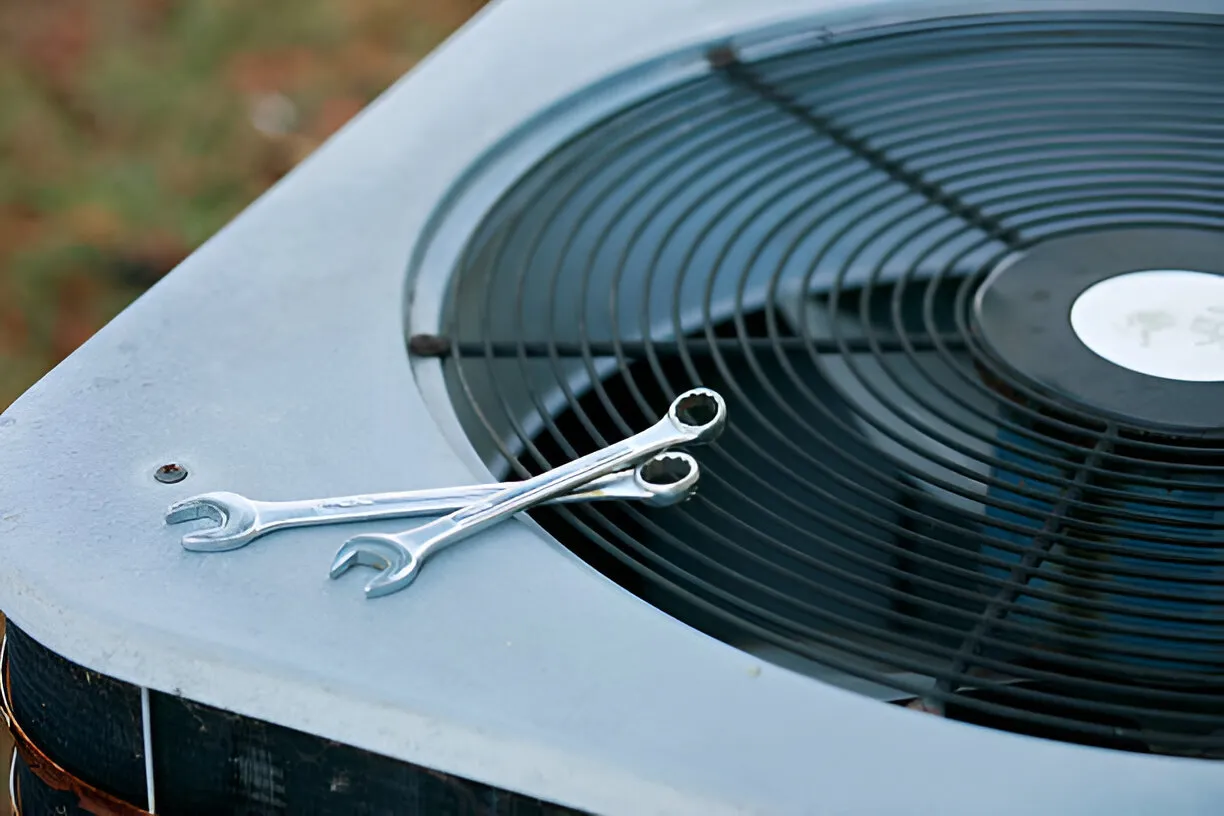
Why timely HVAC repair matters in German Village homes
German Village is known for brick row houses, historic construction, and compact lots. Older or historic homes often have unique duct layouts, tighter mechanical closets, and sometimes limited access to outdoor condensers or furnace rooms. Combined with Central Ohio climate swings from humid, hot summers to cold winters, small HVAC problems can escalate quickly into system failures that affect comfort, indoor air quality, and energy bills. Prompt, professional repair preserves equipment life, prevents safety risks (like cracked heat exchangers or gas valve problems), and keeps systems running efficiently in homes where improvements can be more complicated due to historic building constraints.
Common HVAC failure symptoms in German Village homes
Knowing typical signs of trouble helps you decide when to request professional repair rather than waiting.
- Uneven heating or cooling across rooms
- Causes: duct leakage, blocked or undersized returns, failing blower motor, or zoning controls out of calibration. Older homes with nonstandard duct runs are especially prone to this.
- Frequent short cycling
- Causes: clogged air filters, faulty thermostats, refrigerant issues, or failing compressors. Short cycling increases wear and reduces efficiency.
- Weak airflow from vents
- Causes: blower motor problems, collapsed ductwork, closed dampers, or clogged coils. Historic homes with narrow runs can suffer more severe pressure loss.
- Strange noises (clanking, grinding, hissing)
- Causes: worn bearings in motors, loose components, refrigerant leaks, or failing burners. Noises should be evaluated promptly to prevent larger failures.
- Higher than normal utility bills
- Causes: low refrigerant, failing heat exchanger, dirty coils, or aging systems with declining efficiency.
- System will not start or intermittent operation
- Causes: failed capacitors, relays, control boards, thermostat failures, or power issues.
- Odors when system runs
- Causes: mold in ducts or coils, dead animals, or fuel combustion issues in furnaces. Combustion-related smells can indicate dangerous conditions that require immediate attention.
- Water around indoor unit or outside near condenser
- Causes: clogged condensate lines, failed condensate pumps, blocked drains, or refrigerant problems that cause icing and water overflow.
- Pilot light or ignition failures (gas furnaces)
- Causes: faulty ignitors, flame sensors, or gas valve issues. These present both comfort and safety concerns.
On-site diagnostic procedures we follow
A methodical diagnostic approach reduces guesswork and keeps repairs precise.
Initial intake and symptom review
- Document the primary complaint, history of recent service, and any patterns (time of day, weather, noises).
Visual inspection
- Examine outdoor condensers, indoor air handlers, furnaces, ductwork access points, safety switches, and obvious signs of damage, leaks, or corrosion.
Verify power and controls
- Confirm proper voltage and control signals at the equipment, thermostat settings, and breaker or disconnect status.
Airflow and temperature measurements
- Measure supply and return temperatures and static pressure. This identifies airflow problems from filters, blowers, or duct restrictions.
Refrigerant and pressure testing (for A/C and heat pumps)
- Check refrigerant charge and pressures, look for signs of leaking oil, and test component operation under load.
Combustion and venting evaluation (for gas systems)
- Test ignition, flame characteristics, carbon monoxide checks where applicable, and inspect venting for blockages.
Electronic diagnostics
- Read fault codes from control boards, test capacitors, contactors, motors, and safety switches.
Report, options, and transparent estimate
- Provide an itemized diagnosis and repair options, including likely timeline and warranty coverage for parts and labor.
Technicians carry diagnostic tools, replacement parts for common failures, and equipment to ensure many problems are resolved on the first visit when possible.
Emergency response and same-day repair options
Best Service Heating & Cooling recognizes that HVAC failures do not always occur at convenient times. German Village homes need rapid service when temperatures are extreme or when systems present safety concerns.
- Emergency triage
- Initial phone or dispatch triage identifies high-risk issues such as no heat during freezing conditions, gas smell, or suspected carbon monoxide. These are prioritized for immediate response.
- Same-day repair capability
- For many common failures such as failed thermostats, capacitor replacements, leaking condensate lines, blower motor issues, or ignition/ignitor replacements, technicians stock commonly used parts to enable same-day repair.
- Member and non-member emergency coverage
- Homeowners with maintenance agreements receive prioritized emergency scheduling and access to after-hours coverage. Non-members also receive emergency service where available but scheduling may vary with demand.
- Safety-first protocols
- If a technician identifies a hazardous condition, the unit may be shut down for safety with a clear explanation of the risk, recommended steps to restore safe operation, and an estimate for repairs.
Typical parts and fixes we perform on-site
German Village homes present a range of repair needs. The most common parts Best Service Heating & Cooling replaces or repairs include:
- Compressors
- Symptoms: no cooling, high amperage, loud humming. Repairs include testing, replacing compressor or recommending replacement when locked or oil contamination is present.
- Capacitors and contactors
- Symptoms: motor failures, intermittent start. These are common, inexpensive fixes that restore starting torque to motors.
- Blower motors and belts
- Symptoms: weak airflow, noisy operation. We repair or replace motors and adjust fan assemblies for balanced airflow.
- Thermostats and controls
- Symptoms: thermostats not calling correctly, programming errors, or sensor drift. Upgrades to programmable or smart thermostats often improve efficiency and comfort control.
- Ignitors, flame sensors, burners, and gas valves
- Symptoms: furnace not igniting, intermittent shutoff. These parts are commonly repaired to restore safe, reliable heat.
- Heat exchangers
- Symptoms: reduced heating, visible cracks, or abnormal combustion. Heat exchanger issues are safety sensitive; we evaluate for repair or replacement and test for combustion safety.
- Refrigerant leaks and evaporator/condenser coil repairs
- Symptoms: reduced cooling capacity, ice on evaporator coil. Repairs include locating leaks, repairing lines, and restoring proper refrigerant charge per manufacturer specs.
- Control boards and circuit assemblies
- Symptoms: erratic operation, communication faults, or no response. Diagnosing electrical failures and replacing boards restores reliable system control.
- Condensate drains and pumps
- Symptoms: water leaks or overflow. Clearing or replacing drains and pumps prevents water damage in compact German Village basements and crawl spaces.
- Duct repairs and sealing
- Symptoms: uneven temperatures and high energy bills. Sealing accessible duct runs and fixing collapsed ducts improves airflow and comfort.
Each repair includes testing and system run verification to ensure the problem is resolved and to minimize repeat calls.
What to expect during a repair visit
Understanding the typical flow helps homeowners prepare, especially in older homes with limited equipment access.
- Arrival and walk-through
- Technician reviews symptoms, inspects equipment, and identifies safety concerns. In historic homes, special care is taken to avoid damage to finishes and confined spaces.
- Diagnosis and explanation
- An itemized diagnosis outlines failed components, root cause, and any related system conditions discovered during inspection.
- Repair options and timelines
- The technician explains repair steps, estimated time on-site, and warranty coverage for parts and labor.
- On-the-spot repairs when possible
- For commonly stocked parts, many repairs are completed during the initial visit. For larger parts or complex failures, a follow-up visit is scheduled with clear expectations.
- Final testing and cleanup
- After repairs, systems are tested under full load, airflow and temperatures are checked, and work area is left clean.
Technician qualifications and brand experience
Reliability depends on who performs the work. Best Service Heating & Cooling technicians bring the training and certifications needed for safe, effective repairs.
- Industry certifications and safety training
- Technicians hold EPA refrigerant handling certification and complete ongoing training on combustion safety, electrical diagnostics, and modern HVAC controls.
- Brand training and experience
- Technicians are experienced with major residential brands commonly found in Columbus-area homes, including Carrier, Trane, Lennox, Rheem, Goodman, Bryant, and others. Experience with older systems and retrofit work is emphasized to match components in historic properties.
- Background checks and professional conduct
- Technicians undergo background checks, are instructed on protecting historic finishes and entryways, and follow best practices for working in tight or older mechanical spaces.
- Continuing education
- Regular manufacturer training and in-house skill development ensure technicians stay current with new refrigerants, variable-speed systems, and smart controls.
Transparent pricing and warranty information
Repair decisions are easier when pricing and warranty details are clear and upfront.
- Itemized, transparent estimates
- Diagnoses are accompanied by itemized cost estimates separating parts, labor, and any additional materials so homeowners understand what they are paying for.
- Warranty on parts and workmanship
- Repairs include warranty coverage for replacement parts and labor according to company and manufacturer policies. Warranties are explained at the time of estimate so you know what is covered and for how long.
- Manufacturer warranties honored
- When work affects manufacturer warranty status, technicians document repairs and install parts according to factory specifications to preserve any remaining warranty benefits.
- Financing and payment clarity
- For larger repairs or when replacement is recommended, multiple payment options and transparent terms are available. All financial arrangements are explained without hidden fees and with a written agreement.
Repair versus replacement: how to decide for German Village homes
Deciding between repair and replacement depends on more than just the immediate failure. Consider these factors specific to German Village homes.
- Age of the system
- Air conditioners over 10 to 15 years and furnaces older than 15 to 20 years often experience declining efficiency and more frequent failures. If a major component like a compressor or heat exchanger fails on an older system, replacement may be more cost effective long term.
- Frequency and cost of repairs
- Multiple repairs within a short period indicate diminishing returns. When repair costs approach a significant portion of replacement cost, replacement becomes a sensible investment.
- Energy efficiency and performance goals
- Upgrading to modern, high-efficiency systems can reduce energy consumption and improve comfort in homes with poor insulation or older windows common in historic districts.
- Safety considerations
- Cracked heat exchangers or combustion problems require immediate attention and often necessitate replacement for safety.
- Compatibility with house constraints
- Historic homes sometimes require custom solutions. If a new high-efficiency unit requires major ductwork or structural alterations, targeted repairs or phased upgrades may be preferred.
- Refrigerant and environmental factors
- Older systems using phased-out refrigerants may be costly to recharge. Newer refrigerants and modern equipment can offer long-term savings and fewer service needs.
- Resale and preservation goals
- Homeowners preserving historic character may prefer solutions that minimize visual impact or maintain original mechanical locations. Replacement options can be tailored to match these priorities.
A careful evaluation of immediate repair cost, remaining service life, comfort needs, and historic constraints will guide the right decision. Best Service Heating & Cooling provides objective, itemized comparisons to help homeowners choose with confidence.
Seasonal maintenance and preventing breakdowns in German Village homes
Routine maintenance reduces emergency calls and extends equipment life—especially important in older homes.
- Biannual tune-ups
- Spring and fall visits address cooling and heating systems respectively. Tune-ups include cleaning coils, verifying refrigerant charge, inspecting burners and heat exchangers, and checking electrical components.
- Change filters regularly
- Filter changes every 1 to 3 months depending on filter type, occupancy, and pets significantly improve airflow and system longevity.
- Keep outdoor units clear
- Ensure condensers have 2 to 3 feet of clearance from debris, plants, and fences. In tight German Village yards, careful trimming and positioning protects the unit and helps airflow.
- Monitor drain lines
- Condensate drains can clog with algae and debris. Annual cleaning prevents water damage in basements and crawlspaces common to older homes.
- Address insulation and duct issues
- Adding attic insulation and sealing or insulating ducts reduces load on HVAC equipment and improves comfort consistency across rooms.
- Upgrade thermostat controls
- Modern programmable or smart thermostats improve efficiency and allow precise control in multi-level or zoned homes.
Why Best Service Heating & Cooling for HVAC repair in German Village, OH
With deep roots in the Columbus area since 1992, Best Service Heating & Cooling understands the local climate and the nuances of working in German Village properties. Technicians are trained to diagnose complex problems accurately, perform same-day repairs when possible, and communicate repair options with transparent pricing and warranty details. Whether addressing a failing compressor, a noisy blower motor, a malfunctioning thermostat, or a combustion safety concern, the goal is to restore safe, efficient operation while respecting the character and limitations of historic homes.
Hot Deals & Cool Savings

.webp)
New Service Agreement Membership
.webp)
Any New Client Service
Next Service for Referring a New Client
New Service Agreement Membership
Any New Client Service
Next Service for Referring a New Client
.webp)
.webp)

Service Areas
