
HVAC Replacement in German Village, OH
HVAC replacement in German Village, OH delivers energy-efficient heating, expert load calculations, precise installation, and warranties. Learn more and schedule your assessment today.

Replacing a full HVAC system is one of the most significant home comfort and energy investments you can make. In German Village, OH, where historic brick rowhouses and compact lots meet hot, humid summers and cold Midwestern winters, a properly planned HVAC replacement not only restores comfort but can also reduce utility bills, improve indoor air quality, and protect older building fabric. Best Service Heating & Cooling brings local experience and technical expertise to full-system HVAC replacement projects, combining accurate home energy and load assessments, careful equipment selection, safe removal of old systems, precise installation practices, and thorough warranty and maintenance handover so your home reaches the right level of comfort and efficiency.
Why German Village homes have unique replacement needs
German Village homes are often older, with tight lot lines, brick exteriors, and a mix of original and retrofitted ductwork. These characteristics create several considerations for HVAC replacement:
- Older duct runs and small basements or crawlspaces can limit equipment placement and require custom duct modifications.
- Historic homes may have thinner insulation and older windows, increasing heating and cooling loads and making accurate load calculation essential.
- Street access and narrow driveways can complicate equipment delivery and outdoor unit placement.
- The local climate produces humid summers and freezing winters, so systems must control both temperature and humidity effectively.Recognizing these local factors during assessment and design prevents oversizing, minimizes disturbances to historic features, and delivers a system tailored for long term performance in German Village homes.
Common reasons homeowners in German Village choose full-system replacement
- System age and recurrent breakdowns: Furnaces or air conditioners older than 12 to 15 years are often less efficient and require frequent repairs.
- Rising energy bills despite maintenance: Older equipment, leaking ducts, and mismatched components can dramatically cut system efficiency.
- Comfort problems: Uneven temperatures, persistent humidity, drafts, or noisy operation indicate the system is no longer meeting household needs.
- Indoor air quality concerns: High dust levels, allergies, or stale air suggest the whole system needs upgrading, including filtration and ventilation components.
- Refrigerant phase-out: Older AC systems using R22 may require replacement because the refrigerant is being phased out and repaired units are costly to maintain.
- Home upgrades: Renovations, additions, or improved insulation change heating and cooling loads and often require a new system sized to the altered envelope.
Home energy and load assessments: the foundation of the right replacement
A successful HVAC replacement starts with a comprehensive evaluation, not with equipment sales. Best Service Heating & Cooling uses industry-standard methods and local knowledge to properly size and specify systems:
- Manual J load calculation: We calculate heating and cooling loads based on home square footage, orientation, insulation, window sizes, occupancy, and local climate conditions in Columbus. This prevents oversizing which wastes energy and can lead to poor humidity control.
- Manual D duct design: Where ductwork is existing or replaced, we size and route ducts to deliver balanced airflow to each room. German Village homes often need creative solutions for tight spaces and preservation of historic features.
- Manual S equipment selection: After loads are known, we match the correct equipment capacity and type. Selecting the right model streamlines operation and reduces cycling.
- Envelope and energy scan: We inspect insulation levels, attic and basement conditions, window performance, and possible air leaks. These factors impact system sizing and can influence recommendations like adding a dehumidifier or improving attic insulation.
- Electrical and gas review: Older homes may require electrical service upgrades or gas line evaluation before a modern furnace or heat pump can be installed.
Equipment selection: modern options for local needs
Choosing the right equipment depends on loads, household priorities, and site constraints. Typical selections and considerations include:
- High-efficiency gas furnaces: For cold Ohio winters, condensing furnaces with high AFUE ratings offer reliable heat. Modulating furnaces paired with ECM motors deliver better comfort and efficiency.
- Air conditioners and heat pumps: Modern high-SEER2 air conditioners and cold-climate heat pumps can provide efficient cooling and reliable heating. Heat pumps have improved performance in lower temperatures and can be a great option for homes seeking electrification.
- Ductless mini-splits: For many rowhouses, space-limited areas, or additions, ductless systems offer targeted comfort without major ductwork changes. They can be used as whole-home solutions or supplemental zones.
- Hybrid systems: Combining a heat pump with a gas furnace provides flexibility and optimal efficiency across seasonal extremes.
- Zoning systems and variable-speed equipment: To reduce hot and cold spots, zoning dampers and variable-speed compressors/blowers modulate output for steadier temperatures and improved humidity control.
- Indoor air quality products: Whole-house dehumidifiers, humidifiers, ERV/HRV systems, and MERV 8-13 or higher filtration options protect occupants and preserve historic building materials.
- Controls and thermostats: Smart or programmable thermostats improve efficiency and comfort. Integrated controls can manage multi-stage equipment and zoning effectively.When evaluating options, life cycle costs, incentives, noise levels, space constraints, and long-term maintenance are considered to deliver a system that fits the home and household goals.
Removal and disposal of old equipment
Replacing an entire HVAC system requires careful removal and responsible disposal:
- Safe refrigerant recovery: Certified technicians recover refrigerant from existing air conditioners or heat pumps according to EPA guidelines before disposal.
- Asbestos and hazardous materials: In rare cases where older components or flues contain hazardous materials, the team follows abatement protocols and coordinates with licensed specialists.
- Disconnect and isolation: Gas lines, electrical service, and condensate drains are safely disconnected. Any modifications required to service panels or flues are assessed.
- Recycling and disposal: Metals, copper, and other recoverable materials are recycled whenever possible. Non-recyclable waste is disposed of responsibly in accordance with local regulations.
- Site protection and cleanup: Technicians protect floors, walls, and landscaping during removal. Work areas are cleaned and left orderly to preserve historic interiors and finishes common in German Village homes.
Installation process and typical timelines
A clear, professional installation process prevents surprises and ensures consistent results. Typical phases include:
- Pre-install prep: Final equipment selection, permit review, and scheduling. For historic homes, placement and visual impact are reviewed to preserve aesthetics.
- Day 1 - delivery and demolition: Old equipment is removed, duct modifications begin, refrigerant lines and electrical are prepared. In many typical homes, this can be completed in one day if the system is straightforward.
- Day 2 - mechanical install: New furnace, air handler, or heat pump is set in place, ducts are sealed or modified, and primary connections are completed. For full replacements involving major duct redesign or structural modifications, additional days are scheduled.
- Day 3 - electrical, commissioning, and testing: Final wiring, thermostat integration, refrigerant charge, airflow balancing, combustion analysis for gas units, and system commissioning. Technicians run diagnostic checks for proper sequencing and safety.
- Post-install handover: Documentation of equipment, warranty registration, operation walkthrough, and homeowner instructions.Typical full-system replacements take from 2 to 5 business days depending on complexity, accessibility, and permit timing. Projects involving extensive ductwork, custom sheets or roof penetrations, or historical preservation requirements may require more time. Inspections by local authorities are coordinated as required.
Commissioning and quality assurance
Proper commissioning ensures the system performs as designed:
- Airflow testing and balancing: Ensures each room receives the correct amount of supply and return air.
- Refrigerant verification: Correct refrigerant charge is critical for speed, efficiency, and compressor longevity.
- Combustion and venting safety: Gas systems receive combustion efficiency testing and venting inspection.
- Electrical safety checks: Verifies circuit protection, grounding, and control wiring.
- Performance baseline: Technicians record operating conditions and expected efficiencies to compare during future maintenance visits.
Financing and rebate options for German Village homeowners
Replacing an entire HVAC system is an investment with multiple financing and incentive pathways:
- Manufacturer rebates: Many manufacturers offer rebates on high-efficiency models that reduce upfront cost when equipment is registered after installation.
- Utility rebates and programs: Local utilities and energy programs in the Columbus area sometimes provide rebates for energy-efficient equipment, duct sealing, or whole-house energy improvements.
- Federal and state incentives: Tax credits or incentives for certain high-efficiency heat pumps and energy improvements may apply. Recent federal incentives have expanded the availability of credits for electrification equipment.
- Financing options: Flexible financing plans allow homeowners to spread payments over time, making higher efficiency equipment more accessible while capturing utility savings.When planning a replacement, an accurate estimate of available incentives and projected annual energy savings helps homeowners evaluate the payback period and select the most cost-effective option.
Warranty, documentation, and maintenance handover
A replacement should conclude with clear documentation so homeowners know what to expect:
- Manufacturer warranties: New equipment comes with manufacturer-backed limited warranties. Coverage details vary by model and manufacturer.
- Labor warranty: Installation labor may carry a separate warranty for workmanship. Documentation clarifies coverage periods and conditions.
- Maintenance agreements: Scheduled maintenance extends equipment life and maintains efficiency. Best Service Heating & Cooling offers annual service programs that include routine inspections, priority service options, and discounts on repair calls, which help preserve manufacturer warranties and system performance.
- Homeowner orientation: Technicians provide a walkthrough explaining thermostat operation, filter replacement, maintenance intervals, and answers to common questions.
- Service records: Providing a dossier of schematics, model numbers, and maintenance logs makes future service and resale easier.
Expected efficiency gains and comfort improvements
A properly engineered replacement delivers measurable improvements:
- Energy savings: Replacing a 15 to 20 year old system with high-efficiency equipment commonly reduces heating and cooling energy use by 20 to 40 percent depending on fuel type, previous system efficiency, and home envelope improvements.
- Improved humidity control: Newer equipment and properly sized systems control humidity better in summer, reducing mold risks and improving comfort in German Villages humid summers.
- More consistent temperature: Zoning, better duct design, and variable-speed equipment reduce hot and cold spots and short cycling.
- Quieter operation: Modern compressors and furnaces run much quieter than older units.
- Better indoor air quality: Whole-house filtration, ERV/HRV, and proper sealing reduce allergens and dust, important for older homes with potential for higher infiltration.
- Increased reliability and lifespan: New systems have predictable lifespans and fewer emergency repairs during extreme weather events.
Preserving historic character during replacement
German Village residents prioritizing preservation can often have systems upgraded with minimal impact:
- Discreet outdoor pad and condenser placement to maintain streetscape.
- Concealed or painted ductwork where visible interior runs are necessary.
- Use of compact or ductless equipment for minimal invasive work.
- Carefully scheduled work to avoid noise at sensitive times and protect brickwork and finishes.Local knowledge reduces damage risk and preserves the aesthetic integrity of these historic homes.
Why local expertise matters
Working with technicians familiar with Columbus and German Village provides practical advantages:
- Local experience with typical home constraints, weather impacts, and municipal permit processes.
- Knowledge of energy programs and typical utility rebate availability for the area.
- Understanding historic building practices and how to adapt modern HVAC without harming original features.Best Service Heating & Cooling brings decades of experience serving central Ohio, trained technicians, and an emphasis on accurate sizing, careful installation, and long-term serviceability.
Post-install maintenance and homeowner tips
Simple habits help sustain performance and extend equipment life:
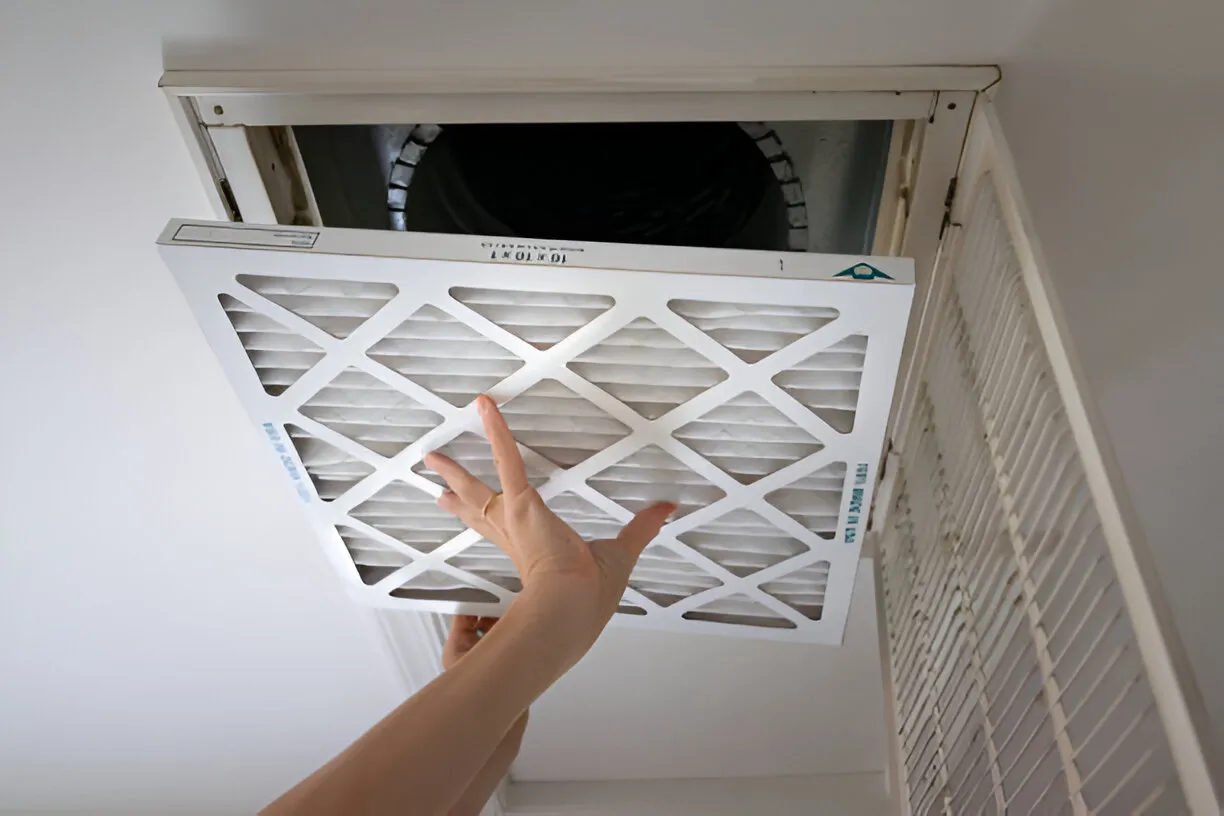
- Change filters regularly according to use and filtration level to protect the blower and maintain airflow.
- Keep outdoor condenser units free of debris, and maintain a clear zone around the unit.
- Schedule annual fall furnace and spring air conditioner tune-ups to catch wear early, verify refrigerant levels, and test safety controls.
- Program thermostats to reduce run-time when the home is unoccupied but avoid large setbacks in very humid weather which can encourage moisture issues.
- Consider duct sealing and attic insulation improvements to reduce load and improve system performance.
Hot Deals & Cool Savings

.webp)
New Service Agreement Membership
.webp)
Any New Client Service
Next Service for Referring a New Client
New Service Agreement Membership
Any New Client Service
Next Service for Referring a New Client
.webp)
.webp)

Service Areas
