
HVAC Replacement in Clintonville, OH
Professional HVAC replacement in Clintonville, OH with expert load calculations, precise installation, and long-term efficiency gains. Schedule a consultation today.

Replacing an aging or failing HVAC system is one of the most impactful investments a homeowner can make for comfort, indoor air quality, and monthly energy bills. In Clintonville homes, where hot, humid summers and cold Ohio winters place wide swings of demand on HVAC equipment, choosing the right replacement system matters for performance and long term cost. Best Service Heating & Cooling brings experienced guidance to help homeowners understand when full HVAC replacement is recommended versus repair, how systems are sized, what efficiency metrics mean, what brands and features are available, and what to expect during installation and disposal of old equipment.
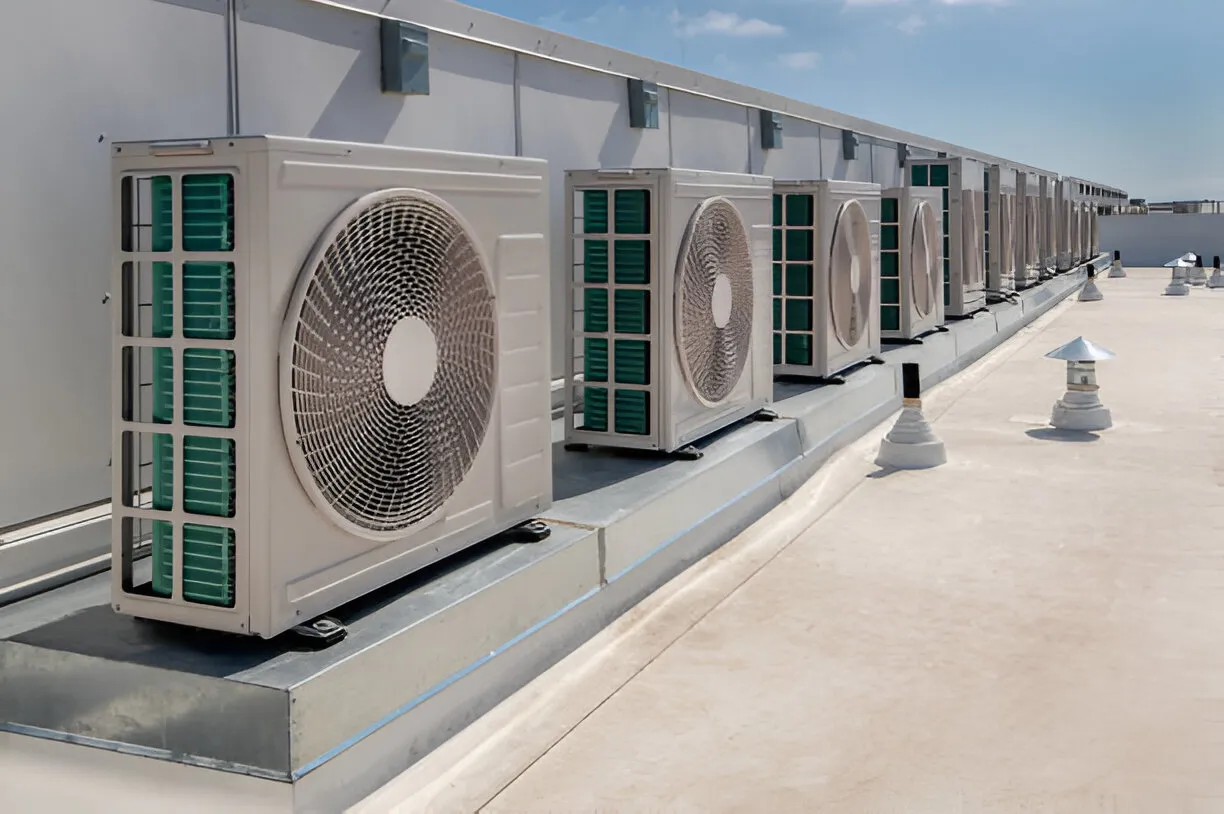
Why consider full HVAC replacement rather than repair
Full replacement becomes the pragmatic choice when additional repairs will not restore reliable, efficient operation or when another system is a better long term investment. Typical decision drivers include:
- Age of the system - Most furnaces and air conditioners have useful lives of 15 to 20 years. As components age, efficiency drops and failures increase.
- Repair history - Multiple or expensive recent repairs are a sign that more failures are likely.
- Efficiency and operating cost - Older systems often have much lower SEER (cooling) or AFUE (heating) ratings. Upgrading can reduce monthly bills and improve comfort.
- Safety and environmental concerns - Cracked heat exchangers, corroded flues, or R-22 refrigerant systems (subject to phase out and high refill cost) are reasons to replace.
- Comfort problems - Persistent uneven temperatures, humidity control issues, or noisy operation that repairs cannot reliably fix.
- Ductwork or sizing limitations - If the current system is incorrectly sized or the ducts are poorly sealed, replacing both the system and the ductwork or adding zoning may be necessary.
Best Service Heating & Cooling assesses repair costs, remaining expected life, and energy savings potential to recommend replacement when it is the more cost effective and reliable option.
Common signs your HVAC system is at end of life
Recognizing these signs helps avoid emergency failures during extreme weather:
- Increasing repair frequency and rising repair bills.
- Sharp increase in energy bills despite no change in usage.
- Uneven heating or cooling across rooms or floors.
- Excessive noise from compressor, blower, or burners.
- System struggles to reach set temperature on extreme days.
- Visible corrosion, leaks, or oil stains around equipment.
- Furnace cycling rapidly or short cycling.
- Old refrigerant type (R-22) or discontinued parts availability.
- Age over 15 years for air conditioners and 15 to 20 years for furnaces.
When several of these signs are present, replacement is frequently the better long term solution.
System sizing and load calculation methodology
Proper sizing is essential. Oversized equipment cycles frequently and reduces comfort and dehumidification; undersized equipment cannot meet load on extreme days. Best Service Heating & Cooling follows industry-standard load calculation methods to recommend the right system.
Key steps in the sizing process:
Onsite survey
- Measure conditioned square footage, ceiling heights, exterior wall area, number and type of windows, insulation levels, and construction details.
- Inspect ductwork condition and layout.
- Note occupancy patterns, major appliances, and internal heat sources.
Manual J load calculation
- The Manual J methodology calculates precise heating and cooling loads based on local design temperatures and the home specifics. It accounts for conduction through walls, infiltration, solar gain, and internal loads.
- Local Clintonville design temperatures are used so the system can meet peak summer and winter conditions typical for central Ohio.
Manual S equipment selection
- Manual S uses the outputs from Manual J to select equipment that meets calculated loads, including selecting appropriate capacities and efficiency levels. It ensures the chosen equipment is matched to the load rather than sized by simple square footage rules.
Manual D duct design (if ductwork modifications are needed)
- Proper airflow requires correctly designed ductwork. Manual D establishes duct sizing and layout to deliver correct airflow to each room without excessive noise or pressure drop.
Considerations for modern systems
- Variable-speed compressors or modulating gas valves can alter effective capacity ranges, improving comfort for homes with varying loads.
- Heat pump systems have different load interactions; auxiliary heating may be needed for very cold days.
This methodical approach reduces the chance of undersized or oversized equipment and maximizes system efficiency and comfort.
Comparing energy-efficient models - SEER, AFUE and other metrics
Understanding efficiency metrics helps compare options and predict operating cost differences.
- SEER (Seasonal Energy Efficiency Ratio)
- SEER measures cooling efficiency. Modern systems commonly range from mid 14 SEER to 26 SEER or higher for high-end heat pumps and air conditioners. Each increase in SEER delivers proportional energy savings in cooling-dominant months.
- AFUE (Annual Fuel Utilization Efficiency)
- AFUE measures furnace heating efficiency. Standard gas furnaces commonly range from mid 80 percent AFUE to 98 percent AFUE for high-efficiency condensing models.
- HSPF (Heating Seasonal Performance Factor)
- For heat pumps, HSPF is the heating efficiency rating. Higher HSPF means more efficient heating performance in heat pump mode.
- Variable capacity and modulation
- Two-stage or variable-speed compressors and modulating gas valves improve comfort and efficiency by matching capacity to load rather than running at full speed all the time.
- Efficient blower motors and ECMs
- Electronically commutated motors use less electricity and maintain better airflow at lower speeds, improving comfort and reducing operation cost.
- Duct efficiency and system EER
- Duct leakage and poor insulation reduce effective system efficiency. Installing efficient equipment without addressing ducts often reduces potential savings.
Typical impacts in a Clintonville home:
- Replacing a 12 SEER air conditioner with an 18 SEER model can reduce cooling energy use by 25 percent or more during summer months, depending on home usage, thermostat settings, and duct losses.
- Upgrading a 80 AFUE furnace to a 95 AFUE condensing furnace reduces gas consumption substantially in cold months, significantly lowering heating bills over winter.
Best Service Heating & Cooling uses these metrics, plus load calculations, to recommend models that balance purchase cost, expected operating savings, and comfort needs.
Available brands and features
There is a wide range of reputable equipment choices. Some of the common brands available include Trane, Carrier, Lennox, Rheem, Goodman, Daikin, Mitsubishi, and Bryant. Brand selection often depends on features, warranty options, availability of local parts, and installer familiarity.
Key features to consider:
- Single-stage vs two-stage vs variable-speed compressors
- Variable-speed delivers the best comfort and dehumidification, but at a higher initial cost.
- Inverter-driven technology
- Common in modern heat pumps and minisplits; provides efficient, continuous capacity control.
- High-efficiency condensing furnaces
- Condensing furnaces extract extra heat from combustion products to improve AFUE.
- Modulating gas valves
- Allow furnace to change output incrementally for precise comfort.
- Smart thermostats and zoning systems
- Enable programmable schedules, remote control, and room-by-room temperature control, reducing wasted energy.
- Indoor air quality additions
- High-efficiency filtration, UV lamps, whole-home humidifiers and dehumidifiers, and energy recovery ventilators for improved IAQ.
- Sound-dampening features and low-sone ratings
- Useful for tight neighborhood lots and for homeowners sensitive to noise.
Best Service Heating & Cooling recommends specific brands and feature packages according to home needs, available rebates, and expected lifetime reliability.
Installation process and typical timeline
A professional, code-compliant installation reduces callbacks and ensures warranty protection. The typical process includes:
Pre-installation planning (1 to 7 days)
- Site assessment, load calculation, selection of equipment and accessories, permit planning, and scheduling. Ordering lead times vary by model popularity and manufacturer.
Permit and inspection (timing varies)
- Local permits may be required for equipment replacement or system changes. Best Service Heating & Cooling coordinates permitting and schedules inspections where required by Columbus or Franklin County codes.
Installation day(s) (1 to 3 days for most replacements)
- Day 1: Remove old equipment, recover refrigerant safely, prepare mounting and electrical connections, and set up new outdoor and indoor units.
- Day 2: Complete ductwork changes or modifications, install thermostat and controls, charge refrigerant, and complete combustion and safety checks for furnaces.
- Final checks: System startup, airflow balancing, refrigerant verification, combustion efficiency testing for fuel-burning appliances, and homeowner orientation.
Post-install documentation (same day or within a few days)
- Equipment warranty registration, disposal documentation for old equipment, and test reports for performance and safety.
Complex projects - such as adding new ductwork, extensive retrofits, or multi-zone systems - may take longer. Homes in Clintonville with older or nonstandard duct layouts may require additional time for duct modifications or sealing.
Disposal of old equipment and environmental compliance
Proper disposal is both an environmental responsibility and a legal requirement.
- Refrigerant recovery
- Technicians must recover refrigerant from air conditioning and heat pump systems using EPA-approved recovery equipment. R-22 systems require special handling due to phase-out and limited supply.
- Recycling metals and components
- Condensers, compressors, and other metal components are recycled. PCB and hazardous material handling follows local regulations.
- Documentation
- Disposal receipts and refrigerant recovery logs are maintained for compliance and warranty records.
- Indoor contaminants
- Older furnaces or air handlers with asbestos-containing insulation or other hazards are handled per regulations, with abatement if required.
Best Service Heating & Cooling follows all federal and local environmental rules and documents proper disposal and refrigerant recovery for homeowner records.
Financing and rebate options for Clintonville, OH homeowners
Several pathways help manage the upfront cost of a high-efficiency system:
- Manufacturer incentives
- Brands sometimes offer promotional rebates or included accessory packages for qualifying models.
- Utility and local rebates
- Local utility companies and municipal energy programs may offer rebates for high-efficiency heat pumps, air conditioners, and insulation improvements. These programs change periodically and often require pre-approval or specific contractor participation.
- Federal tax incentives
- Periodic federal tax credits or incentives may apply to qualifying high-efficiency heat pumps and energy saving measures. Eligibility and amounts vary by year and product type.
- Low-interest financing
- Many third-party lenders or in-house finance programs provide payment plans designed for home energy improvements. Options can include fixed monthly payments, deferred interest plans, or loans tied to home improvements.
- Energy performance loans and PACE options
- Some homeowners may qualify for property-assessed programs or other energy loan products that spread cost over longer terms.
Best Service Heating & Cooling helps homeowners understand available incentives and financing options at the time of replacement and integrates expected rebates into lifecycle cost comparisons when planning a replacement.
Expected long-term energy savings and payback
Estimating long-term savings depends on the replacement delta, local energy prices, and usage patterns. Typical examples for Clintonville homes:
- Cooling upgrade example
- Replacing a 12 SEER air conditioner with a 18 SEER unit can reduce cooling energy use by approximately 25 percent during the cooling season. For a home with moderate cooling usage, that could translate into annual savings of several hundred dollars. Savings scale with thermostat settings and occupancy patterns.
- Heating upgrade example
- Replacing an 80 AFUE furnace with a 95 AFUE condensing furnace can reduce annual gas use for heating significantly, especially during cold months. Savings depend on winter severity and home efficiency.
- Heat pump replacement
- Converting from a traditional furnace and central air system to a modern cold-climate heat pump can reduce combined heating and cooling energy in many situations, especially when electricity rates and incentives favor heat pumps.
- Payback timeline
- Payback periods vary widely. An efficiency upgrade that yields 20 to 40 percent energy savings might pay back in 5 to 12 years depending on installation cost and incentives. Non-energy benefits like improved comfort, humidity control, and reduced repair costs also factor into the true value.
Best Service Heating & Cooling provides individualized estimates based on current energy prices, specific equipment options, and your home’s usage to present realistic payback and lifecycle cost comparisons.
Maintenance and steps to maximize system life
After replacement, proper maintenance preserves efficiency and warranty coverage:
- Annual tune-ups
- Scheduling annual maintenance for both heating and cooling keeps systems operating efficiently and helps prevent failures.
- Filter maintenance
- Replace or clean filters per manufacturer recommendations. High-efficiency filtration improves indoor air quality but may require more frequent changes.
- Duct inspection and sealing
- Sealing and insulating ducts reduces losses and improves comfort. Duct leakage is a common cause of poor system performance in older Clintonville homes.
- Thermostat calibration and smart scheduling
- Proper thermostat setup and use of smart schedules can significantly reduce energy use without sacrificing comfort.
- Keep outdoor unit clear
- Maintain clearance around outdoor condensers, especially after leaf fall or lawn work in Clintonville where seasonal debris can accumulate.
- Track performance and utility bills
- Note changes in run time, noise, or energy bills that may indicate emerging issues.
Following these steps helps ensure the investment in a new system delivers the expected comfort and savings.
Why a tailored approach matters in Clintonville, OH homes
Clintonville includes a mix of older, historic homes and newer construction. Many older homes have original duct systems, variable insulation levels, and single pane windows or unique floor plans. The local climate accentuates both cooling and heating needs:
- Humid summers make dehumidification important; oversized cooling systems may cool air quickly but fail to remove adequate moisture.
- Cold winters require reliable heating capacity and consideration of cold-climate performance for heat pumps.
- Freeze-thaw and snow require robust outdoor unit mounting and corrosion-resistant components.
- Neighborhoods with mature trees can restrict airflow to outdoor units and require careful siting.
Best Service Heating & Cooling recommends solutions that consider local home construction, microclimate, and homeowner priorities for comfort, indoor air quality, and lifecycle cost.
Hot Deals & Cool Savings

.webp)
New Service Agreement Membership
.webp)
Any New Client Service
Next Service for Referring a New Client
New Service Agreement Membership
Any New Client Service
Next Service for Referring a New Client
.webp)
.webp)

Service Areas
