
HVAC Maintenance in Clintonville, OH
HVAC maintenance in Clintonville, OH with comprehensive tune-ups, safety checks, and clear service plans to improve efficiency and indoor comfort.

Keeping your heating, ventilation, and air conditioning system running reliably and efficiently is essential for comfort, safety, and cost control in Clintonville, OH homes. Best Service Heating & Cooling provides comprehensive HVAC maintenance programs designed for the seasonal swings and building types common to Clintonville neighborhoods. Routine maintenance and proactive tune-ups reduce breakdowns, lower energy bills, extend equipment life, and improve indoor air quality.
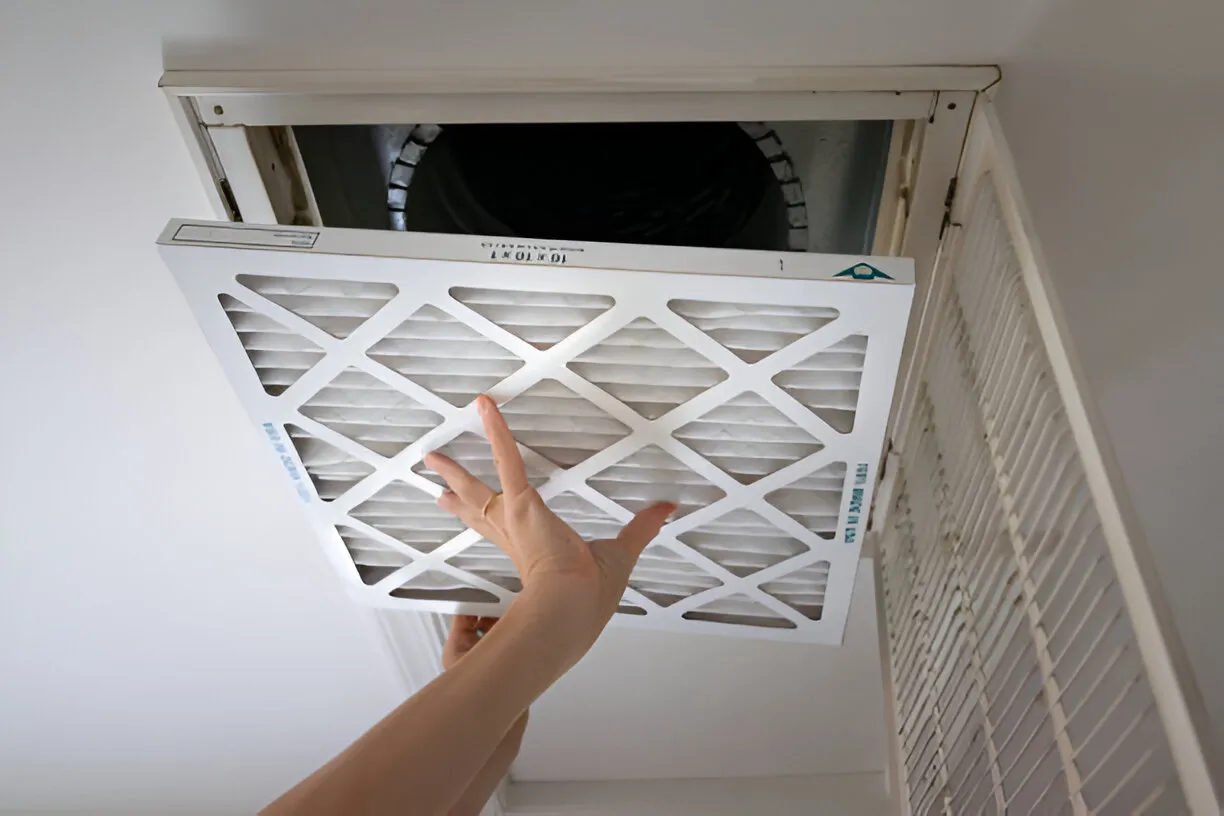
Why routine HVAC maintenance matters in Clintonville
Clintonville experiences cold, wet winters and humid summers. Those seasonal extremes put extra strain on HVAC equipment. Furnaces and boilers in winter work harder against heat loss through older windows, basements, and attics. Air conditioners in summer face high humidity and pollen loads that increase coil fouling and strain compressors. Add aging homes in Clintonville with mixed ductwork, and you have the conditions where small problems escalate quickly into costly failures.
Preventive HVAC maintenance in Clintonville, OH reduces the risk of:
- Sudden system failures during extreme weather
- Rising energy bills caused by dirty coils, clogged filters, or poor airflow
- Premature equipment replacement due to neglected wear items
- Indoor air quality problems from dust, mold, or volatile organic compounds
- Unsafe operation from cracked heat exchangers or faulty gas connections
Best Service Heating & Cooling tailors maintenance to Clintonville home styles and local weather patterns, focusing on what matters most for reliable year round comfort.
Common HVAC issues in Clintonville homes
Understanding the typical problems we see locally helps explain what maintenance targets and why it works.
- Dirty or clogged filters restricting airflow and reducing efficiency
- Refrigerant leaks or undercharge causing poor cooling and compressor stress
- Fouled evaporator or condenser coils that reduce heat transfer
- Malfunctioning thermostats or incorrect calibration producing uneven comfort
- Duct leaks or poor insulation leading to lost conditioned air
- Worn belts, motors, bearings, or electrical components that cause noise or failure
- Short cycling from clogged filters, incorrect airflow, or failing capacitors
- Gas line or burner issues and cracked heat exchangers affecting safety
- Excess humidity in summer leading to mold growth in ductwork or condensate pans
These are fixable, and most become much less likely when systems receive regular, professional attention.
Types of maintenance services and programs
Best Service Heating & Cooling offers maintenance options that match different needs and budgets while maintaining consistent service quality.
- Single seasonal tune-up
- One comprehensive check and tune-up, usually scheduled before a heavy-use season like fall for heating or spring for cooling.
- Biannual maintenance plan
- Two visits per year: one for heating system inspection and tune-up, and one for cooling system inspection and tune-up.
- Full-service agreement with priority benefits
- Regular biannual service plus benefits such as priority scheduling, seasonal system adjustments, maintenance reminders, and detailed service records.
- Custom care plans
- Tailored schedules for older systems, multi-zone homes, or properties with special indoor air quality needs.
Each program emphasizes the same core tasks: cleaning critical components, checking safety devices, optimizing performance, and documenting system condition.
What a comprehensive HVAC tune-up includes
A professional tune-up is more than a quick visual check. Here is a typical technician checklist used by Best Service Heating & Cooling during a standard maintenance visit.
Pre-service review
- Verify system history and previous repairs from maintenance records.
- Discuss homeowner comfort concerns, recent changes in performance, and utility bill trends.
Safety and startup checks
- Inspect gas connections, gas pressure, and burners for safe combustion on gas furnaces.
- Check heat exchanger for cracks or damage that could lead to carbon monoxide.
- Test carbon monoxide detectors and recommend placement if missing.
- Verify proper venting and flue operation to prevent backdrafting.
Electrical inspection
- Tighten electrical connections and test control wiring.
- Measure voltage and current on motors and major components.
- Inspect capacitors, relays, and contactors for wear.
Airflow and distribution
- Measure static pressure and airflow where applicable.
- Inspect and test blower motor operation and belts.
- Check ductwork access points for leaks, insulation gaps, and improper sealing.
Coil and condensate service
- Clean indoor evaporator coils and outdoor condenser coils as required.
- Flush and sanitize condensate drain pans and lines to prevent clogs and mold.
Refrigerant and compressor checks (for cooling systems)
- Inspect refrigerant lines for leaks and test refrigerant charge.
- Measure superheat and subcooling to ensure optimal cooling performance.
Combustion and efficiency tuning (for heating systems)
- Tune burners, adjust fuel/air mix, and verify combustion efficiency.
- Clean or inspect flame sensors and igniters.
Controls and thermostat
- Calibrate thermostat settings and test programmable schedules.
- Verify safety controls and emergency shutoff operation.
Filter and indoor air quality
- Replace or inspect filters and recommend MERV ratings or media types for the home.
- Check whole-house ventilation and IAQ equipment if present.
Performance verification
- Record temperature rises and delta T values across equipment.
- Test system operation through a full cycle and note unusual noises or behavior.
- Provide a written summary of findings and recommended actions.
This level of detail identifies current problems and catches early signs of wear that become expensive later.
Recommended maintenance intervals and filter schedules
A clear schedule helps homeowners avoid guesswork and keep systems performing at their best. These are the recommended intervals Best Service Heating & Cooling advises for Clintonville homes.
- Filters
- Disposable fiberglass filters: change every 30 days during heavy use.
- Pleated filters (MERV 8): change every 60 to 90 days.
- Higher efficiency filters (MERV 11 to 13) or washable media: check monthly and change or clean every 60 to 90 days depending on load.
- Homes with pets, smokers, allergies, or high dust: check monthly; expect shorter intervals.
- Tune-ups
- Cooling system: annual maintenance in spring before heavy use.
- Heating system: annual maintenance in fall before cold weather.
- Homes with older equipment or heavy use: consider biannual visits for extra protection.
- Duct inspection and cleaning
- Visual duct inspection every 2 to 3 years; cleaning only when contamination, mold, or heavy debris is found.
- Duct sealing and insulation checked during each tune-up in Clintonville due to older construction and varied insulation levels.
- Refrigerant and major component checks
- Refrigerant level and system leak test annually.
- Electrical components, capacitors, and motors inspected during each service; replace worn parts proactively.
These intervals are designed to match Clintonville climate patterns and typical home construction, striking a balance between performance and cost effectiveness.
Safety and performance checks that protect your family and equipment
Safety is a primary reason to schedule professional maintenance. Technicians look for issues that can risk health or cause system damage.
- Heat exchanger inspection to detect cracks that could leak carbon monoxide
- Gas line tightness and correct burner operation
- Proper venting and flue integrity to prevent exhaust backflow
- Electrical safety checks to reduce risk of shorts or fires
- Condensate drain cleaning to prevent water damage and mold
- Pressure and refrigerant checks to avoid compressor burnout
- Combustion efficiency testing to ensure proper fuel use and lower emissions
Completing these checks on a schedule reduces the chance of unsafe operation and unplanned emergency repairs.
Energy efficiency and cost benefits of preventive maintenance
Regular maintenance not only prevents breakdowns but also keeps systems running near their design efficiency. Typical outcomes from properly maintained systems include:
- Restored airflow and clean coils that improve cooling and heating efficiency
- Correct refrigerant charge and calibrated controls that reduce runtime
- Reduced blower and motor strain that lowers electricity use and extends component life
- Fewer emergency repairs and avoided early replacements, lowering lifetime ownership costs
Industry studies and real-world experience commonly show that a well maintained HVAC system can operate 10 to 20 percent more efficiently than a neglected one, with some systems showing even higher improvements after a thorough tune-up. Those percentage gains translate directly into lower monthly energy costs and a faster return on the investment in maintenance.
Indoor air quality and health considerations
Clintonville homes often contend with seasonal allergens, pollen in spring, and humid summer conditions that can promote mold growth in poorly maintained systems. Maintenance improves indoor air quality by:
- Ensuring filters are changed on schedule to remove dust, pollen, and pet dander
- Cleaning coils and condensate drains to prevent microbial growth
- Checking whole-house ventilation systems and recommending upgrades when necessary
- Advising on IAQ products such as UV-C lights, electronic air cleaners, or improved filtration when appropriate for health-sensitive households
A system that breathes cleanly helps occupants with allergies or respiratory conditions and creates a healthier home environment.
Tailoring service for Clintonville home types
Clintonville features a mix of early 20th century homes, mid-century houses, and newer builds. Each requires a different maintenance emphasis.
- Older homes with original ductwork
- Focus on duct leakage, insulation, and balance. Duct sealing and targeted cleaning often yield significant comfort improvements.
- Homes with basements and garages
- Check combustion appliance vents and basement equipment for proper venting and drainage.
- Two-story and multi-zone homes
- Verify zoning system controls, dampers, and thermostat placement to reduce uneven temperatures.
- Row houses and attached homes
- Inspect shared venting where applicable and recommend airflow adjustments to prevent pressure imbalances.
Best Service Heating & Cooling adapts inspection protocols to the specific construction and usage patterns of your home to deliver the most practical results.
What to expect from a service agreement without surprises
Service agreements are designed to remove uncertainty and ensure consistent care. Typical features you will see spelled out include:
- Scheduled maintenance visits with seasonal timing tailored to Clintonville climate
- A detailed checklist of tasks performed at each visit
- Priority scheduling for covered systems when service is needed
- Records of past services and suggested future repairs or upgrades
- Options for transferability to new homeowners for added property value
- Clear explanation of parts that are covered versus items billed as additional repairs
A written agreement clarifies expectations and helps homeowners budget for maintenance as part of responsible homeownership.
Simple homeowner maintenance steps between professional visits
There are a few effective things homeowners can do to keep systems healthy between professional services.
- Replace or check filters according to the schedule above.
- Keep vents and registers free of furniture and obstructions.
- Maintain clear space around outdoor condensing units, trimming foliage and removing debris.
- Check thermostat batteries and settings; use setback schedules sensibly to avoid unnecessary load.
- Empty and inspect secondary drain pans if visible.
- Note and record any unusual noises, smells, or performance changes and report them at the next service visit.
These simple actions support the professional work and help identify issues early.
Diagnosing common signs that maintenance is overdue
If you observe any of the following, schedule a professional inspection soon, as these are common indicators of neglected maintenance:
- Rising energy bills without corresponding use changes
- Uneven heating or cooling from room to room
- Frequent on and off cycling or short cycles
- Noticeable burning or musty smells when the system runs
- Weak airflow from vents or visible dust build-up on registers
- Ice forming on refrigerant lines or evaporator coils
- Loud or new noises during operation such as squeals, rattles, or clanks
Addressing these signs early reduces the likelihood of a breakdown at an inconvenient time.
Long term value: extending equipment life and protecting home investment
Regular maintenance protects your investment in HVAC equipment. Well documented and consistent care can:
- Extend the functional life of a furnace, boiler, or air conditioner
- Preserve manufacturer warranty validity in some cases
- Maintain resale value by providing maintenance records
- Reduce the frequency and severity of repairs over time
For older equipment nearing replacement, maintenance can provide predictable performance while you plan upgrades on a sensible timeline.
Hot Deals & Cool Savings

.webp)
New Service Agreement Membership
.webp)
Any New Client Service
Next Service for Referring a New Client
New Service Agreement Membership
Any New Client Service
Next Service for Referring a New Client
.webp)
.webp)

Service Areas
