
Heating Repair in Worthington, OH
Trustworthy heating repair in Worthington, OH. Learn common issues, diagnostic steps, and expert service to restore comfort—schedule your repair today.

Heating Repair in Worthington, OH
Keeping your home warm and safe during Worthington's cold winters depends on timely, accurate heating repair. Whether your furnace, boiler, or heat pump is underperforming or has stopped working entirely, understanding common symptoms, how technicians diagnose problems, and what repairs typically involve will help you make informed decisions.
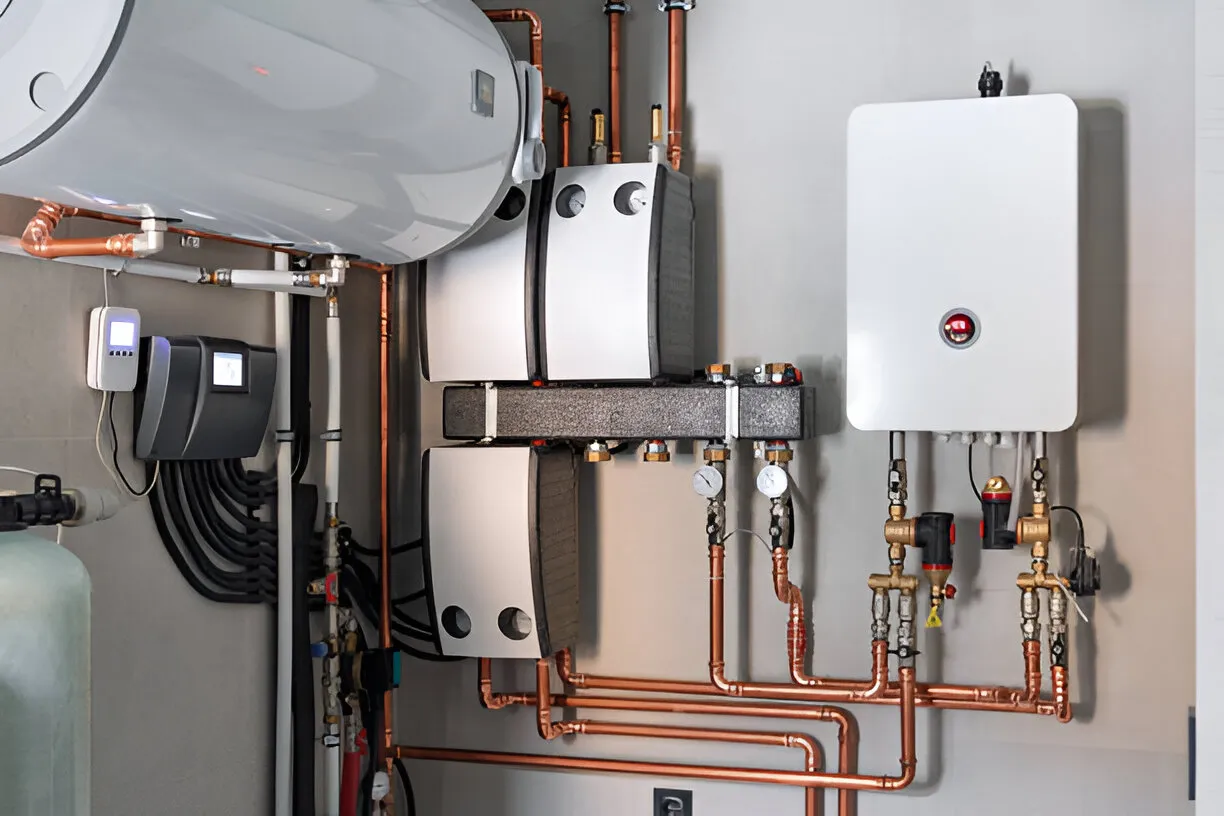
Why timely heating repair matters in Worthington, OH
Worthington experiences cold, often wet winters and occasional subfreezing spells that place heavy demand on heating systems. Older, historic homes in Worthington may have legacy boilers or aging ductwork that amplify issues. Delaying repairs can lead to higher utility bills, frozen pipes, or accelerated system failure when temperatures drop. Prompt diagnosis and repair restore comfort and reduce the risk of emergency breakdowns during peak cold snaps.
Common heating repair issues in Worthington, OH
Here are the typical failure symptoms homeowners see and what they often indicate:
- No heat or intermittent heating — could be a furnace ignition problem, failed thermostat, or control board issue.
- Weak or uneven heat distribution — often related to clogged filters, closed/blocked ducts, failing blower motors, or zoning problems.
- Frequent short-cycling (turning on and off) — usually caused by airflow restrictions, incorrect thermostat settings, or a failing limit switch.
- Strange noises (banging, squealing, rumbling) — points to loose components, belt wear, motor bearings, or combustion irregularities in furnaces/boilers.
- High utility bills with unchanged usage — reduced efficiency from dirty heat exchangers, failing burners, or refrigerant issues in heat pumps.
- Pilot light or flame color problems (boilers and gas furnaces) — potential combustion or ventilation issues requiring immediate attention.
- Water leaks or low pressure in boiler systems — indicates corrosion, failed valves, or pump problems.
Diagnostic process: what a professional will check
A clear, methodical diagnosis prevents unnecessary repairs and ensures safety. Typical diagnostic steps include:
- Visual inspection of the unit, vents, and piping for obvious damage or leaks.
- Checking thermostat settings, batteries, and wiring.
- Verifying electrical supply and safety switches.
- Testing ignition systems, gas valves, and combustion if applicable.
- Measuring airflow, filter condition, and duct pressure.
- Running operational tests to observe cycling, noise, and temperature rise.
- For boilers: checking water pressure, expansion tanks, and pump operation.
- For heat pumps: inspecting refrigerant charge, reversing valve, and defrost cycle.
Technicians will explain findings in plain language, outline repair options, and prioritize safety items first, particularly combustion or leak-related problems.
Emergency repair response in Worthington
Central Ohio weather can create urgent heating needs. Emergency repair protocols typically include:
- Rapid assessment to determine immediate safety hazards (carbon monoxide risk, gas leaks).
- Temporary measures to restore heat when full repairs require parts or extended labor.
- Prioritization of repairs that prevent system-wide damage, like stopping water leaks or isolating failed components.
- Clear timelines for follow-up work and parts replacement.
Expect emergency response to focus on safety and short-term comfort, followed by scheduled definitive repairs.
Common repair procedures by system
Furnaces
- Replacing ignition modules, flame sensors, or gas valves.
- Repairing or replacing blower motors, belts, and capacitors.
- Fixing control boards, limit switches, or inducer motors.
- Sealing or replacing cracked heat exchangers (safety-critical).
Boilers
- Repairing or replacing circulator pumps and zone valves.
- Addressing leaks by replacing gaskets, valves, or corroded sections.
- Replacing ignition components, pressure controls, or aquastats.
- Flushing and descaling in systems suffering from sediment or mineral buildup.
Heat pumps (including ductless)
- Recharging refrigerant and fixing leaks.
- Replacing outdoor fan motors, compressors, or reversing valves.
- Repairing defrost controls and reversing cycle components.
- Fixing indoor blower issues and electronic control boards.
Each repair will be described with expected parts, labor steps, and safety checks so you understand the work being performed.
Parts and workmanship warranties
Reliable heating repair typically includes warranties on both parts and labor. Common warranty practices:
- Manufacturer warranty on new parts (duration varies by component).
- Technician workmanship warranty covering the repair labor for a specified period.
- Documentation of replaced parts and warranty terms provided after service.
When evaluating repair options, confirm what’s covered, any registration requirements for manufacturer warranties, and whether warranty service requires specific maintenance plans.
Expected timelines and how estimates are handled
Repair timelines depend on the problem and part availability. Typical expectations:
- Diagnostic visit: usually completed in a single service call with a written estimate of required repairs.
- Minor repairs and replacements: often completed the same day if parts are in stock.
- Complex repairs or parts-ordered work: scheduled within days, depending on inventory and manufacturer lead times.
- Emergency temporary fixes: provide immediate relief, with follow-up scheduled for permanent repair.
Cost estimates are built from the diagnostic findings and factor in the type of system, parts required, labor complexity, and safety considerations. Professionals should provide a clear, written estimate and explain alternatives such as repair vs. replacement when appropriate.
Preventative tips to reduce future heating repairs
Routine maintenance reduces breakdowns and extends system life. Practical tips for Worthington homes:
- Schedule annual heating tune-ups before the cold season to check combustion, airflow, and controls.
- Replace or clean filters every 1–3 months depending on system type and household conditions.
- Keep vents and returns clear; ensure attic and crawlspace insulation and ductwork are intact to reduce load.
- Test carbon monoxide detectors and ensure proper ventilation around combustion appliances.
- Consider zoning controls or programmable thermostats to reduce wear from constant cycling.
- For older boilers or furnaces, address minor leaks or odd noises early—these often predict larger failures.
Final considerations
Heating repair in Worthington, OH requires attention to local winter demands, older home characteristics, and safety-first diagnostics. Understanding symptoms, common repair procedures, warranty practices, and maintenance strategies helps you choose the right repair path and protect your home through the coldest months. A transparent diagnostic process and clear documentation of recommended repairs give you the confidence to restore safe, efficient heating when you need it most.
Hot Deals & Cool Savings

.webp)
New Service Agreement Membership
.webp)
Any New Client Service
Next Service for Referring a New Client
New Service Agreement Membership
Any New Client Service
Next Service for Referring a New Client
.webp)
.webp)

Service Areas
