
Furnace Replacement in Columbus, OH
Furnace replacement in Columbus, OH: learn when to replace, how the evaluation works, and the installation process. Schedule your high-efficiency upgrade today.

Furnace Replacement in Columbus, OH
Replacing an aging or inefficient furnace is one of the most impactful upgrades you can make for comfort, safety, and energy savings in Columbus homes. Winters in central Ohio are cold and often prolonged, and a properly sized, high-efficiency furnace reduces drafts, uneven heating, and high utility bills.
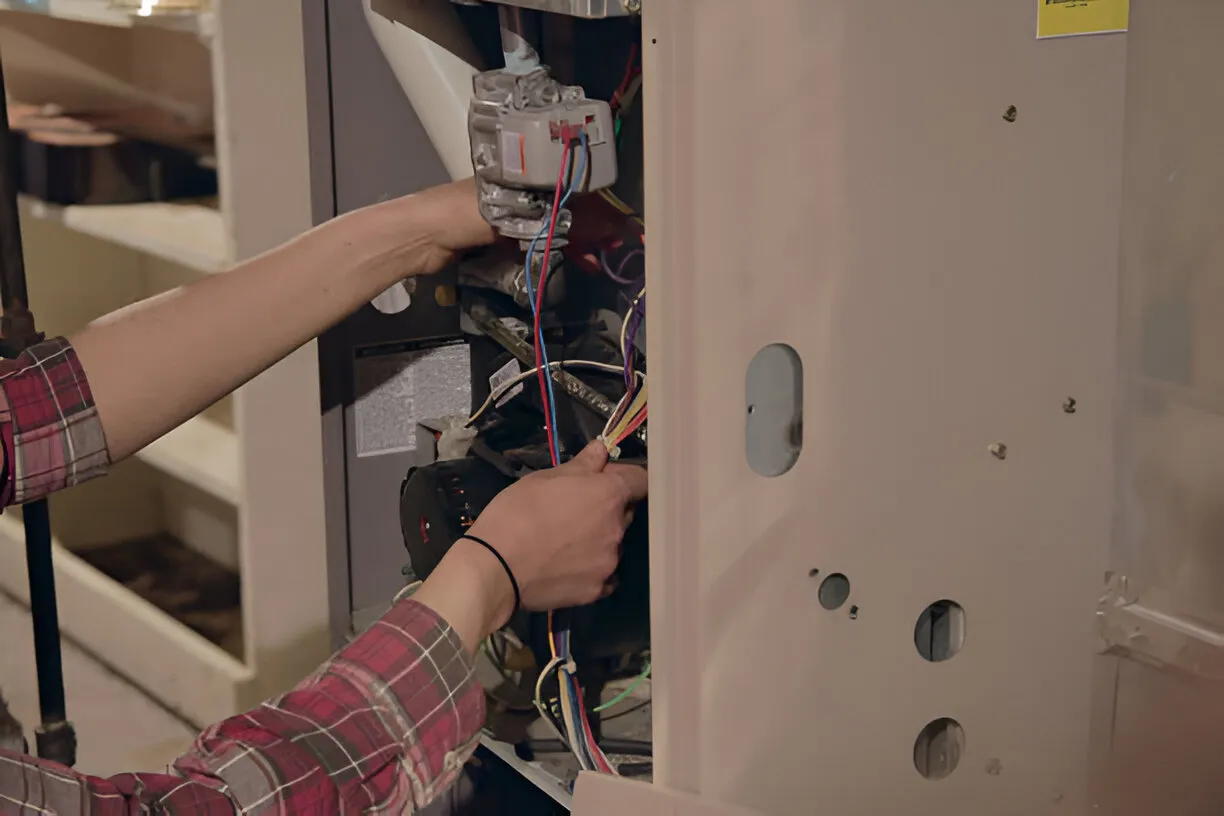
Why Columbus homes need timely furnace replacement
- Columbus winters bring prolonged below-freezing periods and occasional deep cold snaps. Older furnaces working harder during these months show wear, higher fuel use, and more frequent breakdowns.
- Many older homes in Columbus have original furnaces 15 to 25 years old. At that age the risk of major failures and safety issues, such as cracked heat exchangers, rises.
- Replacing a failing furnace improves safety, indoor comfort, and reduces energy bills—especially when upgrading from mid-efficiency (80% AFUE) units to high-efficiency condensing furnaces (90% to 98% AFUE).
Common furnace replacement triggers
- Age: typical furnace life is 15 to 20 years; reliability declines after that.
- Repeated repairs: more than two to three major repairs per heating season signals replacement is more cost-effective.
- Rising fuel bills despite annual tune-ups.
- Uneven heating, room-to-room temperature swings, or poor airflow.
- Strange odors, carbon monoxide alarms, or visible rust and corrosion.
- Old, inefficient equipment when planning a home upgrade for resale or long-term comfort.
Detailed evaluation before recommending replacement
A professional furnace replacement begins with a thorough evaluation of your existing heating system and home:
- Visual inspection of furnace cabinet, burners, heat exchanger, venting, and gas/electrical connections.
- Combustion and safety checks to detect carbon monoxide risks and measure combustion efficiency.
- Heating load calculation (Manual J) to determine correct furnace capacity based on home size, insulation, windows, and local climate conditions in Columbus.
- Duct assessment (basic static pressure and leakage check) to confirm ductwork can deliver the new furnace’s airflow efficiently.
- Review of thermostat type, ventilation, and any zoning or humidity needs.
This evaluation informs a replacement recommendation that matches furnace capacity, efficiency, and features to your home and budget.
Sizing and model recommendations
Correct sizing and model selection are critical to performance and longevity:
- Right-sizing: a furnace that is too large will short-cycle, increasing wear and lowering efficiency. One that is too small will run constantly and fail to heat adequately. Manual J load calculations are the industry standard for accurate sizing.
- Efficiency: modern high-efficiency condensing furnaces offer AFUE ratings between 90% and 98%. Upgrading from an older 70–80% unit can reduce fuel use significantly.
- Staging and modulation:
- Single-stage furnaces operate at full output and are lower cost.
- Two-stage furnaces provide better part-load efficiency and improved comfort.
- Modulating furnaces adjust output continuously for tight temperature control and the best efficiency, useful for larger or tightly insulated Columbus homes.
- Venting and combustion type: high-efficiency condensing furnaces require PVC venting and a condensate drain; existing venting may need modification.
- Fuel and hybrid systems: natural gas is most common in Columbus, but for homes moving toward electrification, pairing a high-efficiency furnace with a heat pump (hybrid system) can optimize year-round efficiency.
Ductwork and compatibility
Ducts often limit the performance gains from a new furnace. Typical duct considerations:
- Leakage: sealed and insulated ducts can prevent 10% to 30% or more of heat loss.
- Sizing and balance: the new furnace’s blower must match duct static pressure; oversized blowers can cause noise and damage.
- Insulation: ducts in unconditioned spaces should be insulated to reduce heat loss during long Columbus winters.
- Modifications: some installations require new plenums, transition pieces, or updated return-air pathways.
Upgrading or sealing ducts at the time of replacement maximizes comfort and efficiency.
Typical installation steps
- Finalize equipment selection based on the evaluation and load calculation.
- Obtain required permits and ensure installation meets local code and safety standards.
- Schedule installation. Most furnace replacements are completed in one to two days, depending on complexity.
- Disconnect and remove the old furnace safely and dispose of it according to local regulations.
- Modify duct connections, venting, and gas/electrical hookups as needed.
- Install new furnace, condensate drain (if condensing), and venting materials.
- Configure and calibrate the thermostat and controls; test combustion and safety systems.
- Perform a final walk-through to demonstrate system operation and explain basic maintenance.
Installations include cleanup of the work area and an explanation of warranty and maintenance recommendations.
Removal, disposal, permits, and safety
- Proper removal of the old furnace includes safe disconnection of gas and electrical supply, secure handling of refrigerants if present in hybrid systems, and recycling of metal components where possible.
- Local permits and inspections ensure the installation complies with Columbus and Ohio codes and that combustion air, venting, and gas connections are safe.
- Safety testing post-installation includes combustion analysis, carbon monoxide verification, and pressure checks.
Financing and rebate options in Columbus
Many homeowners combine financing and local incentives to make high-efficiency replacements affordable:
- Federal tax credits and Columbus-area utility rebates often apply to qualifying high-efficiency furnaces and heat pump hybrid systems.
- Manufacturer warranties and extended protection plans vary by model; compare coverage terms.
- Financing options through lenders or home improvement programs can spread the investment over time.Discuss available rebates and financing with a qualified provider to determine current programs and eligibility.
Expected performance improvements
- Energy savings: upgrading from an 80% AFUE to a 95%+ AFUE furnace typically reduces fuel consumption significantly—often by 10% to 25% depending on house characteristics and fuel prices.
- Comfort: better temperature consistency, quieter operation, and faster recovery after setbacks.
- Indoor air quality: modern furnaces paired with improved filtration and sealed combustion reduce drafts and dust circulation.
- Reliability and safety: new units reduce emergency repair risk and address safety concerns tied to old equipment.
Maintenance and getting the most from your new furnace
- Annual professional tune-ups extend service life, maintain efficiency, and preserve warranty coverage.
- Change or clean filters on the manufacturer-recommended schedule to keep airflow optimal.
- Seal and insulate accessible ducts and add programmable or smart thermostats to reduce runtime.
- Consider adding zoning, humidification, or improved filtration during replacement for tailored comfort and healthier indoor air, especially important during Columbus winters when homes stay closed up.
Furnace replacement is a technical but high-value home upgrade in Columbus, OH. A careful evaluation, correct sizing, attention to duct compatibility, and professional installation deliver the comfort, safety, and efficiency gains homeowners expect.
Hot Deals & Cool Savings

.webp)
New Service Agreement Membership
.webp)
Any New Client Service
Next Service for Referring a New Client
New Service Agreement Membership
Any New Client Service
Next Service for Referring a New Client
.webp)
.webp)

Service Areas
