
Heating Installation in Obetz, OH
Heating installation in Obetz, OH ensures safe, efficient comfort. Learn sizing, timelines, warranties, financing options, and next steps.

Heating Installation in Obetz, OH
Replacing or installing a new heating system is a major home investment. In Obetz, OH, where winters bring steady cold and occasional heavy freezes, a properly chosen and professionally installed system keeps your home safe, comfortable, and energy efficient.
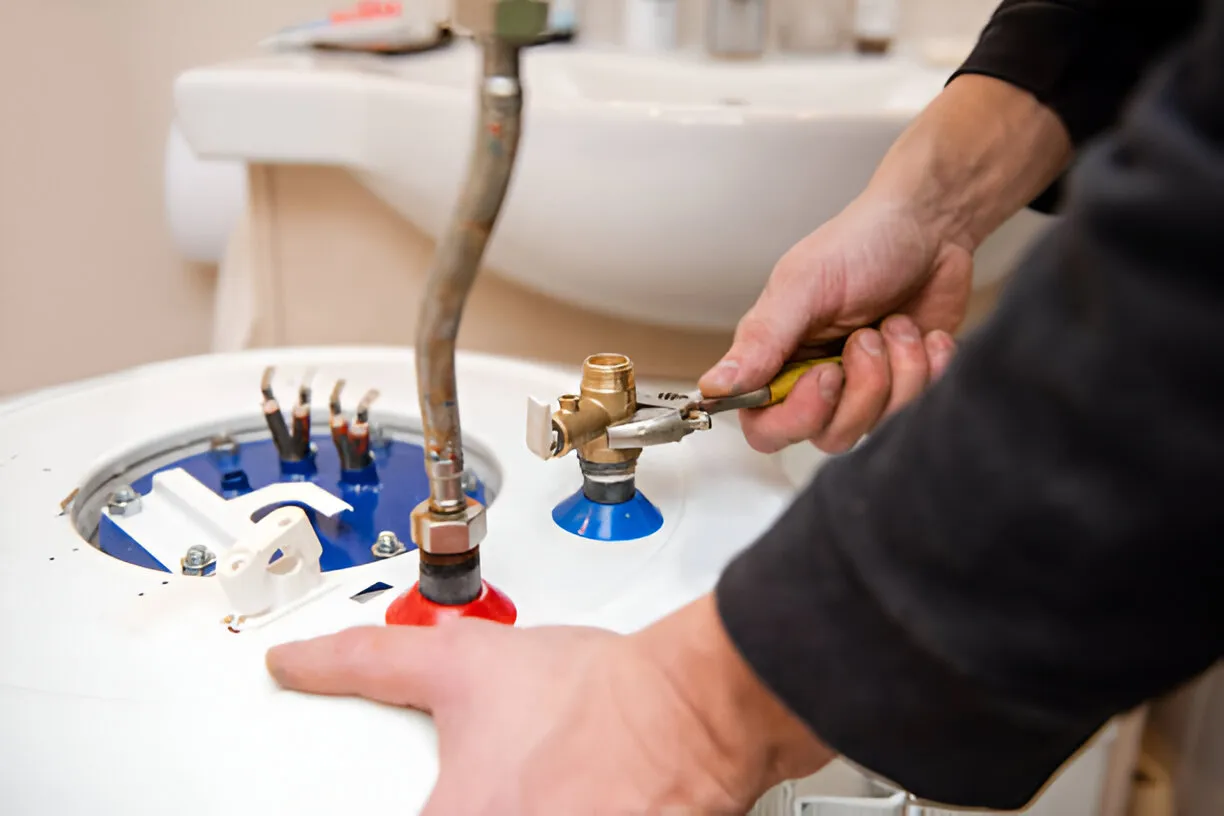
Why proper heating installation matters in Obetz, OH
Columbus area winters are cold and often humid. Undersized equipment or poor installation leads to uneven temperatures, higher energy bills, premature component failure, and higher risk of safety issues like carbon monoxide. A correctly planned installation tailored to your Obetz home reduces operating costs, maximizes equipment life, and improves indoor comfort all winter long.
Common heating system types for Obetz homes
- Gas furnaces: Most common for central heating in the area. Look for high AFUE ratings for greater efficiency. Natural gas is widely available in Obetz neighborhoods.
- Heat pumps: Modern cold-climate heat pumps work well in many Ohio homes and provide both heating and cooling. Consider dual fuel setups (heat pump plus gas furnace) for best efficiency during deep cold snaps.
- Boilers (hydronic systems): Efficient for radiant heat, baseboards, or radiators. Good option in homes with existing hydronic distribution.
- Ductless mini-splits: Ideal for additions, sunrooms, or homes without ductwork. Provide zoned comfort with minimal disruption.
Common heating installation issues in Obetz
- Improper system sizing causing short cycling or insufficient heat
- Undersized or leaky ductwork reducing airflow and efficiency
- Inadequate combustion air or improper venting for gas appliances
- Poor refrigerant charge or airflow on heat pump installs
- Lack of zoning or thermostat mismatch for modern systems
Home load assessment and system sizing
Accurate sizing starts with a professional load calculation (Manual J). This assesses:
- Home square footage and layout
- Insulation levels, window types, and orientation
- Air infiltration and envelope condition
- Local design temperatures for Obetz winters
Sizing is not based on rule-of-thumb. Oversized equipment is as problematic as undersized. The load calculation helps determine the right capacity and whether supplemental systems (zone control, humidification) are needed.
Comparing furnace, heat pump, and boiler options
- Furnace (gas or electric): Reliable heat, fast recovery, best where natural gas is available. Key metric: AFUE rating. Higher AFUE equals greater annual fuel efficiency.
- Heat pump: Highly efficient heating and cooling in one unit. Look for models rated for low-temperature operation. Metrics include HSPF and SEER. Best where customers want cooling included and lower emissions.
- Boiler: Excellent for radiant floor and older homes with hydronic systems. Efficiency measured by AFUE for condensing boilers. Requires proper venting and water treatment.
When choosing, weigh upfront cost, energy source availability, efficiency ratings, and how the system integrates with your current ductwork or distribution.
Installation steps and expected timeline
Typical installation follows these stages:
- Initial assessment and estimate - Onsite visit, load calculation, equipment selection, and a written proposal. This usually takes 1 visit.
- Permit application - Submit required documents to the Village of Obetz or Franklin County building department. Permit time varies but often completes within several business days to a couple of weeks depending on workload.
- Pre-install preparation - Ordering equipment, preparing work area, and scheduling. Lead times depend on model availability.
- Removal of old equipment - Safely disconnecting and removing existing system components.
- Rough installation - Setting new unit, modifying ductwork or piping, and running necessary electrical and gas lines.
- Final connections and startup - Refrigerant charging for heat pumps, combustion setup for furnaces, water hookup for boilers, and system balancing.
- Inspection and sign-off - Municipal inspection for gas, electrical, and mechanical work if required.
Typical timeline:
- Furnace or heat pump: Many straight replacements complete in 1 to 2 days of on-site work, plus permit and scheduling time.
- Boiler installations or jobs requiring ductwork replacement or system reconfiguration can take 2 to 4 days.
Permit and code considerations in Obetz
- Heating work usually requires permits and must comply with Ohio building and mechanical codes and local Village of Obetz ordinances.
- Gas line changes, combustion venting, electrical modifications, and boiler work commonly require separate inspections.
- Work must be performed by licensed professionals and installed to meet safety and ventilation requirements.
- Keep copies of permits and inspection reports with your home records for resale and warranty purposes.
Warranty and registration
- New equipment carries a manufacturer warranty covering parts and sometimes labor; terms vary by brand and model.
- Contractors often provide a separate labor warranty for installation workmanship.
- Register the equipment with the manufacturer and keep installation documentation, serial numbers, and service records. Proper documentation is required to maintain full warranty protection.
Financing and incentives
- Financing plans are commonly available to spread installation costs over time.
- Energy incentives and rebates may apply for high-efficiency systems or heat pump installations. Homeowners in Obetz should check for current federal, state, or utility incentives to reduce upfront cost for qualifying equipment.
- Ask about upgrade options that improve efficiency and may qualify for additional incentives, such as smart thermostats or zoning controls.
Post-install testing and handoff
After installation, expect comprehensive testing:
- Combustion analysis and carbon monoxide check for gas equipment
- Airflow measurement and duct leakage check
- Refrigerant charge and superheat/subcooling verification for heat pumps
- Thermostat calibration and zone balancing
- Safety control verification and startup sequence testing
- Walk-through with the homeowner to explain operation, maintenance, filter replacement, and warranty procedures
Providing a clear owner packet with operation instructions, warranty details, and maintenance recommendations is standard practice.
Maintenance and maximizing system life
- Schedule annual preventive maintenance, ideally before heating season. Regular tune-ups improve efficiency and detect small issues early.
- Change filters per manufacturer recommendations and monitor for airflow restrictions.
- For boilers, maintain water treatment and periodic flushing as needed.
- Consider a maintenance plan that includes priority service and discounted repairs.
Hot Deals & Cool Savings

.webp)
New Service Agreement Membership
.webp)
Any New Client Service
Next Service for Referring a New Client
New Service Agreement Membership
Any New Client Service
Next Service for Referring a New Client
.webp)
.webp)

Service Areas
