
Heating Installation in Grove City, OH
Grove City, OH heating installation experts deliver reliable comfort and energy savings from assessment to setup. Learn more.

Heating Installation in Grove City, OH
Choosing the right heating installation in Grove City, OH matters more than ever. Central Ohio winters bring prolonged cold, intermittent ice and wind, and the cost of energy is a concern for many homeowners. A proper new heating system delivers consistent comfort, lower utility bills, and reliable operation through the cold months.
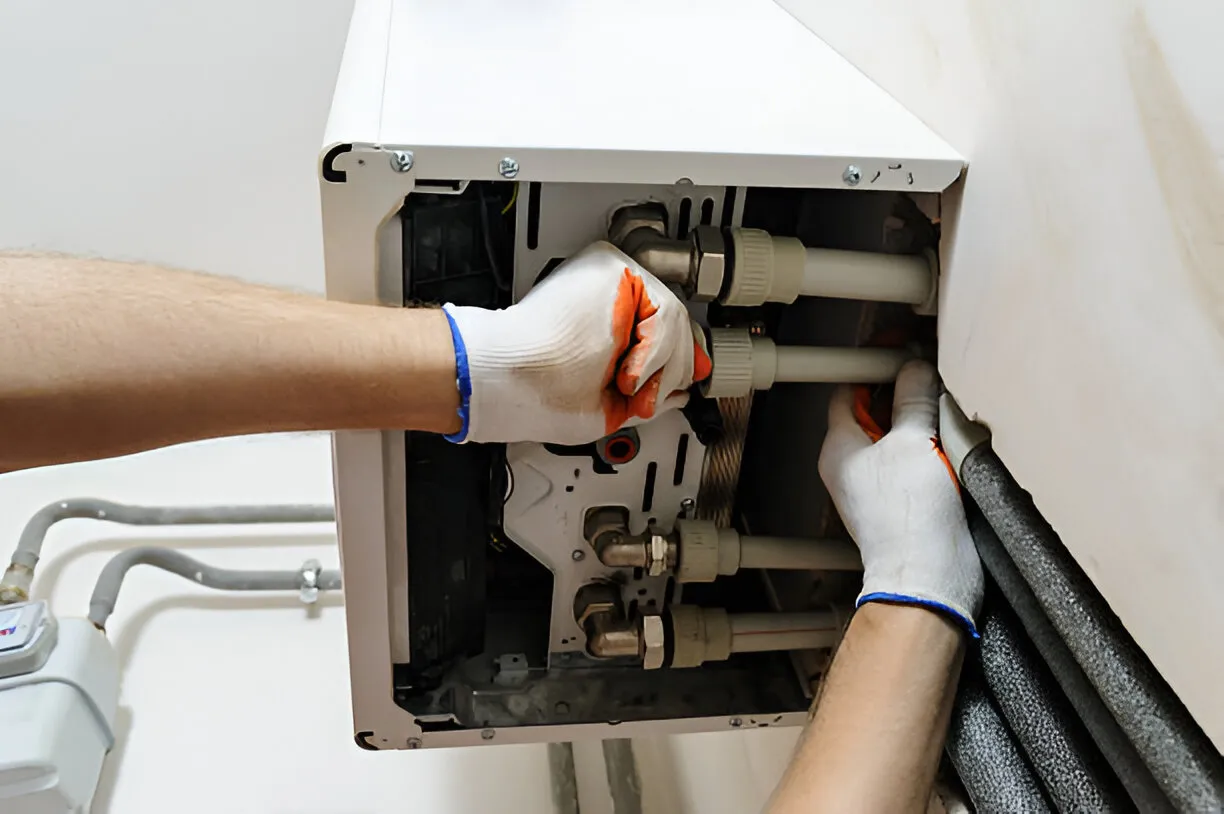
Common heating system types for Grove City homes
- Gas furnaces – Common in homes with natural gas service; high-efficiency models (AFUE 90% plus) are popular for cost savings in Ohio winters.
- Electric heat pumps – Efficient for year-round comfort; modern cold-climate heat pumps perform well in central Ohio temperatures.
- Boilers – Hydronic heating for older homes or homes with radiator systems; efficient condensing boilers are available.
- Ductless mini-split heat pumps – Good for additions, homes without ductwork, or zone heating.
- Hybrid systems – Combine a heat pump and furnace to optimize efficiency across temperature ranges.
Home assessment and load calculations
A reliable installation begins with a detailed home assessment, not a one-size-fits-all sales pitch. Key steps include:
- Reviewing the home’s layout, square footage, ceiling heights, insulation levels, window types, and orientation. Older Grove City homes often have attic or wall insulation that needs consideration when sizing equipment.
- Performing a Manual J load calculation to determine accurate heating and cooling capacity needs. Proper sizing prevents short-cycling, uneven heat, and wasted energy.
- Inspecting existing ductwork, vents, and air sealing to identify leaks or undersized runs common in mid-century and older homes.
- Checking fuel availability and utility connections (natural gas, electric service capacity) and recommending the most cost-effective fuel type given local rates.
System and brand selection
Selecting the right system balances efficiency, longevity, and budget:
- Compare efficiency ratings like AFUE for furnaces and HSPF/SEER for heat pumps. Higher-rated units cost more up front but save on utility bills over time.
- Match equipment to the home’s load calculation rather than oversizing. Oversized equipment reduces comfort and increases wear.
- Consider brand reliability, local serviceability, parts availability, and manufacturer warranty terms. In Grove City, choosing brands with strong local dealer support reduces downtime and speeds warranty service.
- Discuss future goals such as electrification, smart thermostats, or adding zoning. These affect equipment choices now.
Typical heating installation steps
A clear, professional process reduces surprises and keeps the project on schedule:
- Pre-install inspection and final sizing verification. Obtain necessary measurements and confirm fuel and electrical requirements.
- Permit application and coordination with local building officials to ensure code compliance.
- Removal and proper disposal of the old system, including safe handling of any refrigerants or fuels.
- Equipment placement and securement, including proper clearances and pad or platform installation when needed.
- Ductwork modifications, sealing, and insulation. Transition pieces and new plenums are installed where required.
- Venting and combustion air work for furnaces and boilers, ensuring safe flue gas removal and draft.
- Electrical hookup and thermostat integration, including any zoning controls.
- System startup, commissioning, and performance testing (static pressure, airflow, combustion efficiency for gas appliances).
- Homeowner orientation on operation, filters, and maintenance points. Final inspection and paperwork for warranties and permits.
Ductwork and venting considerations in Grove City homes
Ductwork is often the weakest link in comfort and efficiency:
- Leaky or poorly insulated ducts in attics and crawlspaces cause significant heat loss during winter. Sealing and insulating ducts can reduce energy bills and improve balance.
- Proper return-air placement and adequate venting prevent pressure imbalances and uneven heating.
- For boilers and sealed combustion furnaces, correct vent sizing and clearances are required by code for safe operation in Ohio climates.
- Converting from one fuel type or system to another (for example, furnace to heat pump) may require new ductwork geometry or retrofit solutions like ductless supplements.
Permits, inspections, and code compliance
Heating installations in Grove City must meet local and state codes:
- Permits are typically required for new equipment, fuel conversions, and major duct modifications. Inspections ensure safe combustion, venting, and electrical work.
- Technicians follow manufacturer installation specifications to preserve warranty coverage and meet building code requirements.
- Combustion air, flue clearances, and electrical connections are verified during final inspection to protect occupants and property.
Warranty coverage and what to verify
Warranty terms affect long-term costs and peace of mind:
- Manufacturer warranties vary by component (heat exchangers, compressors, control boards). Verify what parts are covered and for how long.
- Labor warranties are offered by installers; understand the duration and what actions may void coverage (unauthorized modifications, failure to maintain).
- Register new equipment with the manufacturer and keep installation paperwork and permits in a safe place for future claims.
- Continued maintenance, such as annual tune-ups, is often a condition of warranty coverage.
Financing options and incentives
Many homeowners use financing to spread the cost of a high-efficiency system:
- Typical options include fixed-term loans, payment plans, and seasonal financing offers through lenders or manufacturers. Terms vary by provider and homeowner credit profile.
- Energy-efficiency incentives may be available from federal programs, state or local utility rebates, or tax credits for qualifying heat pumps and high-efficiency equipment. Homeowners should confirm current eligibility and documentation requirements before purchase.
Why timely replacement matters in Grove City
Procrastinating on a failing system increases risk and cost:
- Older or failing equipment is less efficient and more prone to mid-winter breakdowns, which is especially disruptive in central Ohio’s cold months.
- Upgrading to modern, high-efficiency equipment reduces energy consumption, improves indoor comfort, and can lower overall lifetime heating costs.
- A properly installed system improves indoor air quality and can add resale value to your home.
Maintenance tips after installation
Simple habits keep a new system operating optimally:
- Replace or clean filters regularly and follow the manufacturer’s maintenance schedule.
- Schedule annual professional tune-ups for combustion safety checks, airflow, and refrigerant levels on heat pumps.
- Keep vents and cold-air returns unobstructed and monitor for unusual noises or uneven room temperatures.
- Maintain attic and crawlspace insulation and seal air leaks to protect system efficiency.
A professional, correctly sized heating installation in Grove City, OH protects your comfort and investment for years. Understanding the assessment, installation steps, ductwork needs, code requirements, warranties, and financing options helps homeowners make an informed decision that matches local climate needs and long-term goals.
Hot Deals & Cool Savings

.webp)
New Service Agreement Membership
.webp)
Any New Client Service
Next Service for Referring a New Client
New Service Agreement Membership
Any New Client Service
Next Service for Referring a New Client
.webp)
.webp)

Service Areas
