
Heating Installation in Bexley, OH
Heating installation in Bexley, OH schedule a professional assessment, choose efficient systems, and enjoy reliable warmth with expert installation.

Heating Installation in Bexley, OH
Replacing or installing a heating system in a Bexley, OH home is about more than swapping equipment—it's an investment in comfort, safety, and long-term energy costs. Bexley’s older, well-built homes and central Ohio winters demand a properly sized, code-compliant system that delivers consistent warmth without excessive fuel bills.
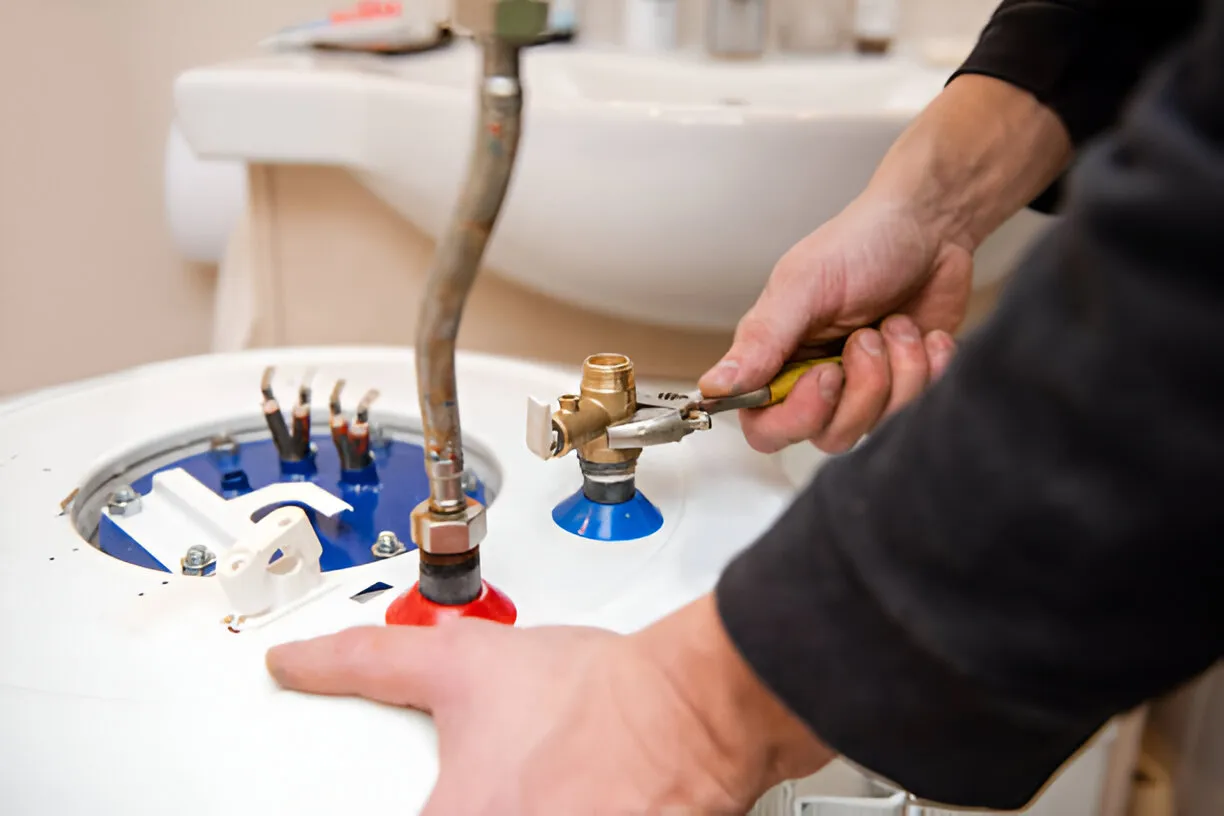
Why a professional heating installation matters in Bexley
- Bexley winters can be cold and wet; an under-sized system struggles to maintain comfort and shortens equipment life.
- Many Bexley homes are older and have unique duct layouts, mixed insulation levels, or tighter historic construction—each factor changes system selection and installation approach.
- Proper installation affects safety (combustion venting, gas line connections), indoor air quality, and heating efficiency. A professional installation prevents common failures and expensive callbacks.
Common heating system types for Bexley homes
- Gas Furnaces (single-stage, two-stage, modulating): Traditional choice for cold winters. High-efficiency condensing furnaces (90% AFUE and up) save fuel in the long run.
- Boilers (steam or hot-water/hydronic): Common in older Bexley houses with radiators. Modern condensing boilers improve efficiency when paired with proper piping and controls.
- Air-source Heat Pumps: Efficient for year-round heating and cooling; modern cold-climate models work well through central Ohio winters when sized correctly.
- Ductless Mini-Split Heat Pumps: Excellent for additions, room-specific comfort, or homes without ducts. They provide targeted heating and improved efficiency.
- Hybrid Systems: Pairing a heat pump with a high-efficiency furnace can optimize performance and fuel use across seasons.
Common heating installation and replacement issues in Bexley
- Incorrect sizing leading to short cycling and uneven temperatures
- Ductwork leaks, undersized supply runs, or inefficient layouts in older homes
- Inadequate venting or improperly installed combustion air for gas appliances
- Poor control zoning that fails to match how modern homes are used
- Compatibility problems between new equipment and existing thermostats or controllers
Home assessment and load calculations
A thorough installation begins with a detailed home assessment:
- Manual J load calculation to determine accurate heating demand using home dimensions, insulation levels, window types, orientation, and local design temperature.
- Duct evaluation (Manual D) to inspect sizing, leakage, and airflow balance for homes with ducted systems.
- Inspection of combustion venting, gas service size, electrical capacity, and mechanical room clearances.
- Assessment of occupant needs: desired indoor temperatures, zoning preferences, and any mobility or allergy concerns that affect equipment choice.
Accurate load calculations are critical in Bexley homes where older construction may not match modern insulation assumptions. Oversizing equipment is a common error that reduces comfort and efficiency; correct sizing prevents short cycles and extends system life.
Recommended system types and energy-efficiency options
- Choose a system type that matches your home’s heating distribution (ducted vs. hydronic vs. ductless) and lifestyle.
- Prioritize high-efficiency models: high AFUE furnaces, condensing boilers, or ENERGY STAR certified heat pumps offer lower operating costs.
- Consider variable-speed blowers, modulating burners, and multi-stage compressors for improved comfort and quieter operation.
- Upgrade to programmable or smart thermostats and add zoning dampers where needed to reduce wasted energy and improve room-by-room control.
- Address insulation, air sealing, and duct sealing as part of the installation plan—these simple measures enhance system performance and lower bills.
Step-by-step installation process
- Initial consultation and assessment: On-site evaluation, measurements, and load calculations.
- System selection and planning: Review equipment options, efficiency levels, and any ductwork or piping changes required.
- Permit submission: Prepare documentation required by local building authorities (see permits section).
- Pre-install preparation: Order equipment, schedule deliveries, and coordinate access/protection for your home.
- Removal of old equipment: Safe disconnect and disposal following local regulations.
- Rough-in and installation: Mounting equipment, running ducts/piping, electrical and gas connections, flue/venting work, and refrigerant line installation for heat pumps.
- Start-up and commissioning: System charge, airflow balancing, combustion testing for gas appliances, and controls setup.
- Final inspection and homeowner orientation: Walkthrough of operation, maintenance tips, and paperwork.
Required permits and inspections in Bexley
- Heating installations typically require permits and inspections through the City of Bexley or Franklin County building department to verify safety and code compliance.
- Inspections commonly include structural/mechanical, gas piping, and final system performance checks.
- Permitting timelines can vary; account for municipal review time when planning your project schedule.
- Licensed installers should prepare and submit permit applications and coordinate inspections to ensure a smooth approval process.
Typical timeline
- Straightforward furnace or mini-split swap: 1 day for the work plus potential permit/inspection scheduling.
- System replacements that involve ductwork, boiler piping, or structural changes: 2–5 days on-site, not including permit lead time.
- Complex projects (new system, zoning, major duct redesign): up to one to two weeks depending on scope and parts availability.Seasonal demand affects scheduling—late fall and winter are busiest. Planning ahead ensures faster completion and availability of preferred equipment.
Warranty coverage and workmanship
- New heating equipment carries manufacturer warranties covering parts and sometimes the heat exchanger; lengths vary by brand and model.
- Professional installers provide workmanship warranties covering installation-related issues for a specified period.
- Keep and register manufacturer warranty cards and installation paperwork; proper installation and routine maintenance are typically required to keep warranties valid.
- Ask for written documentation of both equipment and labor warranties so you know what is covered and for how long.
Financing options and incentives
- Many homeowners use financing plans, home improvement loans, or seasonal payment options to spread the cost of high-efficiency systems.
- Energy-efficiency incentives may be available through utility programs, local rebates, or federal/state tax credits for qualifying equipment—these can materially reduce the net cost of upgrades.
- Combining improved insulation, controls, or a heat pump may increase eligibility for incentives. Check current local and federal programs for details applicable to Bexley properties.
Long-term benefits and maintenance advice
- A properly installed, correctly sized heating system reduces utility bills, improves comfort, and extends equipment life.
- Regular seasonal maintenance—filter changes, annual tune-ups, and timely repairs—preserves efficiency and warranty coverage.
- Consider adding a maintenance agreement or scheduled inspections to catch issues early and maintain peak performance, especially in Bexley’s older homes where systems may face greater stress.
A well-planned heating installation aligns the right equipment with your home’s construction and your comfort goals, complies with local codes, and delivers long-term reliability and savings for Bexley homeowners.
Hot Deals & Cool Savings

.webp)
New Service Agreement Membership
.webp)
Any New Client Service
Next Service for Referring a New Client
New Service Agreement Membership
Any New Client Service
Next Service for Referring a New Client
.webp)
.webp)

Service Areas
