
Heat Pump Tune-Up in Grove City, OH
Heat pump tune up service in Grove City, OH improves efficiency, prevents breakdowns, and maintains comfort. Learn more about scheduling today.

Heat Pump Tune Up in Grove City, OH
A professional heat pump tune up keeps your system running efficiently through Grove City’s humid summers and cold Ohio winters. Routine maintenance reduces unexpected breakdowns, preserves indoor comfort, and helps your heat pump deliver reliable heating and cooling when you need it most. If your home is experiencing higher energy bills, uneven temperatures, or more frequent cycling, a detailed tune up will diagnose underlying causes and restore peak performance.
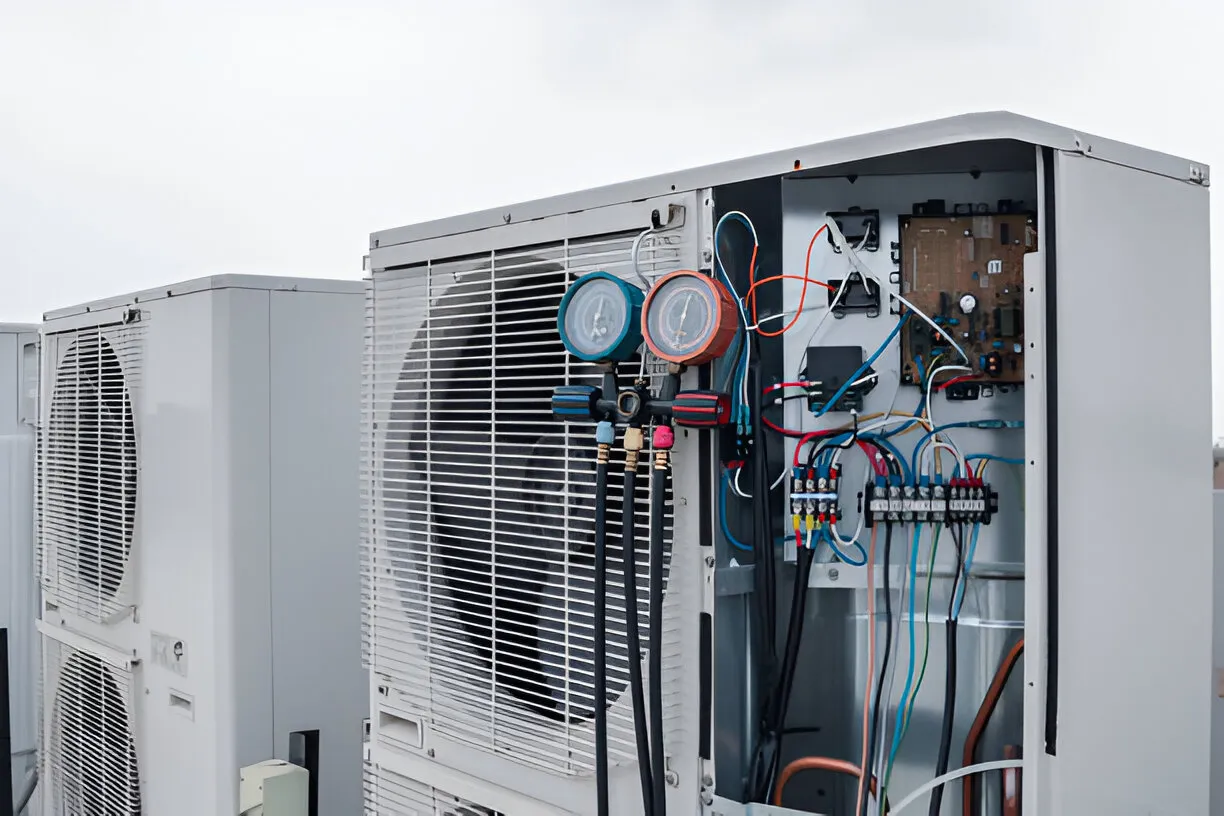
Why a tune up matters in Grove City, OH
Grove City’s climate — warm, humid summers and freezing winter nights — places alternating high cooling and heating loads on heat pumps. Seasonal pollen, falling leaves, and winter road salt can clog outdoor coils and corrode components. A targeted tune up addresses common regional stressors, including:
- Outdoor coil contamination from pollen, dust, and road salt.
- Increased refrigerant and airflow issues after heavy use during extreme temperatures.
- Defrost cycle problems and short cycling caused by frequent freeze/thaw conditions in shoulder seasons.
Regular tune ups help prevent midwinter breakdowns and reduce cooling-season performance loss, keeping your system within manufacturer specifications and maintaining efficiency.
Common heat pump problems in Grove City, OH
- Reduced cooling or heating capacity due to dirty coils or clogged filters
- Short cycling or frequent on/off cycles from electrical issues or improper refrigerant charge
- Longer run times and higher energy bills caused by restricted airflow or blower issues
- Frost or ice buildup and improper defrost control during cold snaps
- Thermostat miscalibration leading to inaccurate temperature control
- Corroded outdoor components after exposure to road salt or moisture
Standard tune up checklist (what a technician inspects and services)
A comprehensive heat pump tune up includes visual inspections, measurements, and adjustments. Typical checklist items include:
- Filter change or inspection
- Replace or clean filters; verify proper filter type and fit for optimal airflow.
- Outdoor and indoor coil cleaning
- Remove debris, clean fins and coils to restore heat transfer efficiency.
- Refrigerant level check
- Measure pressures and temperatures to confirm proper refrigerant charge and look for signs of leaks.
- Thermostat calibration
- Verify accuracy, check settings and ensure proper communication with the heat pump.
- Electrical and safety inspections
- Tighten connections, test capacitors and contactors, inspect wiring and breakers for safety and reliability.
- Compressor and motor performance checks
- Record amp draws and compare to manufacturer ranges to detect stress or failing components.
- Airflow and blower adjustments
- Measure static pressure, inspect blower wheel, adjust blower speed or belts for correct airflow.
- Defrost cycle and reversing valve operation
- Verify defrost controls and reversing valve switch correctly between heating and cooling modes.
- Condensate drain and pan inspection
- Clear drains and check for standing water or mold risk.
- Duct and vent inspection (basic)
- Look for obvious leaks, blockages or disconnected ducts that reduce system efficiency.
- System controls and sequencing
- Confirm proper start/stop sequences, timers, and stage control for multi-stage systems.
- Safety device tests
- Test low-pressure and high-pressure cutouts, and any auxiliary safety switches.
Technicians will document observations, record readings, and recommend repairs or adjustments needed to restore optimal operation. If leaks or major component wear are identified, follow-up repair work will be discussed.
Diagnostic process — what happens on site
- Arrival and initial system interview: Technician asks about recent symptoms and operational history.
- Visual inspection: Indoor and outdoor units, panels, wiring, and condensate areas are checked.
- Operational test: System run in both heating and cooling modes (when applicable) to observe behavior.
- Instrument testing: Refrigerant gauges, temperature differentials, amp meters, and static pressure tools are used.
- Maintenance tasks: Filter replacement, coil cleaning, lubrication (if required), and electrical tightening.
- Findings and recommendations: Technician provides a clear summary of issues discovered, parts that may need replacement, and tips to maintain performance between visits.
Typical time on site
Most single-family home heat pump tune ups take about 60 to 90 minutes when the system is accessible and no major repairs are needed. Larger or multi-zone systems may require 2 hours or more. If the technician finds a refrigerant leak, failed electrical components, or a failing compressor, additional time and a follow-up visit are often necessary.
Seasonal timing recommendations for Grove City
- Spring (March to May): Ideal for preparing your system before the high cooling demand and to remove spring pollen and debris from outdoor coils.
- Fall (September to October): Best time to inspect heating performance, check defrost cycles, and address any winter-readiness items.
- For homes in mixed climates or with heavy year-round usage, consider biannual tune ups (spring and fall) to catch issues early and maintain efficiency.
Memberships and ongoing maintenance
Regular maintenance is the most cost-effective way to protect your heat pump investment. Homeowners who schedule routine tune ups typically experience fewer emergency repairs and longer system life. Many local service providers offer maintenance plans that bundle inspections, priority scheduling, and reduced repair rates. Enrolling in a planned maintenance program ensures consistent, scheduled care that aligns with Grove City seasonal needs.
Performance and longevity benefits
A full tune up returns tangible benefits:
- Improved energy efficiency and lower utility bills through cleaner coils and proper refrigerant charge
- More consistent comfort with calibrated thermostats and balanced airflow
- Fewer breakdowns by catching wear and electrical issues early
- Extended compressor and system life by reducing mechanical stress
- Preservation of manufacturer warranties that often require documented maintenance
Simple maintenance tips for homeowners between tune ups
- Replace or clean filters every 1–3 months, depending on use and indoor air quality
- Keep the outdoor unit clear of mulch, leaves, and debris; allow at least 2 feet of clearance
- Trim vegetation around the unit to prevent airflow restriction and debris buildup
- Monitor for unusual noises, odors, or frequent cycling and note when they occur
- Keep vents and registers unobstructed inside the home for balanced airflow
A properly performed heat pump tune up tailored to Grove City’s seasonal patterns and environmental factors helps your system run reliably and efficiently year-round. Regular maintenance detects small issues before they become costly failures and preserves comfort through both humid Ohio summers and freezing winter nights.
Hot Deals & Cool Savings

.webp)
New Service Agreement Membership
.webp)
Any New Client Service
Next Service for Referring a New Client
New Service Agreement Membership
Any New Client Service
Next Service for Referring a New Client
.webp)
.webp)

Service Areas
