
Heat Pump Repair in Grove City, OH
Heat Pump repair in Grove City, OH for fast diagnostics, expert fixes, and transparent estimates. Emergency service available. Learn more.

Heat Pump Repair in Grove City, OH
Keeping your heat pump running reliably is essential for year-round comfort in Grove City, OH. With cold Ohio winters and hot, humid summers, a malfunctioning heat pump can quickly make your home uncomfortable and increase energy bills.
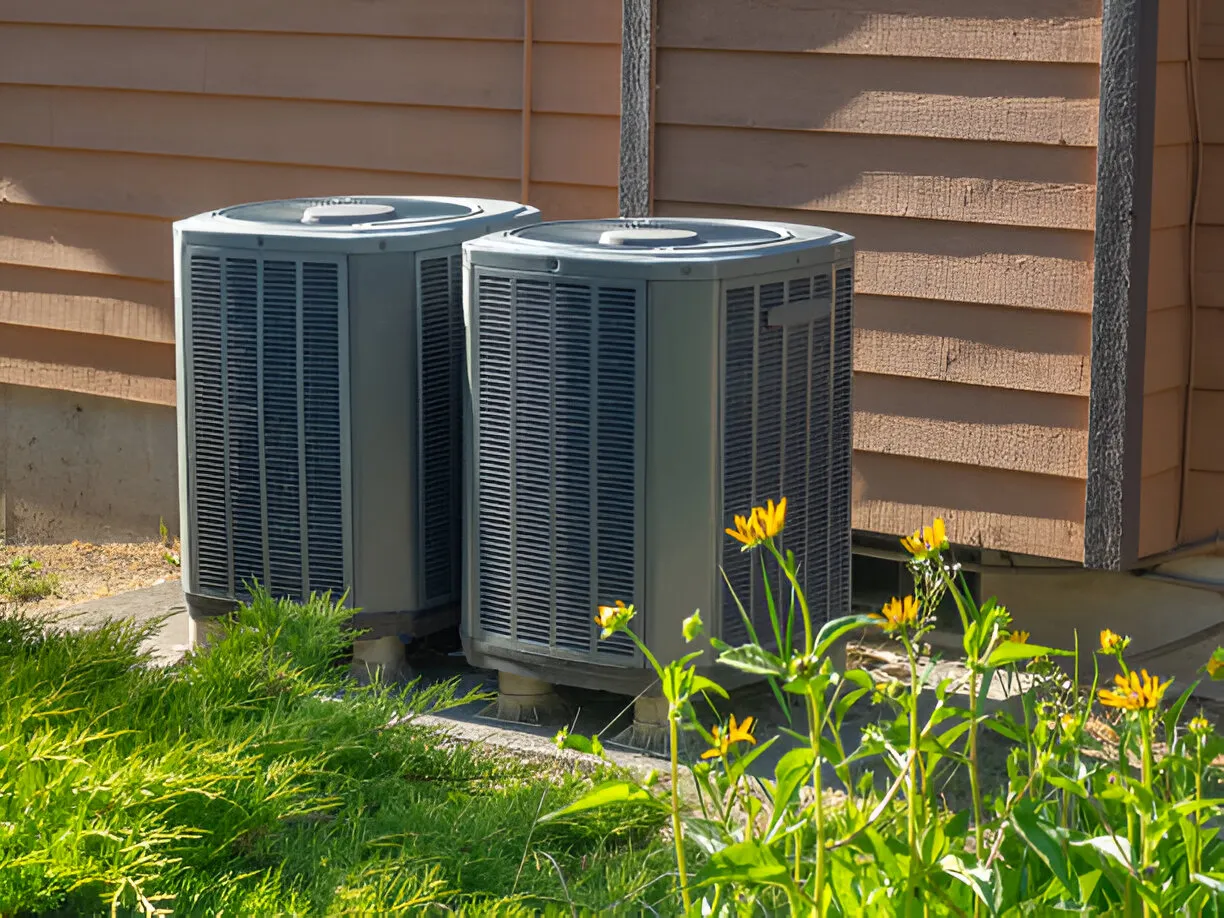
Common heat pump repair issues in Grove City, OH
Homeowners in Grove City typically see these symptoms when a heat pump needs service:
- No heating or cooling: The unit blows room-temperature air or stops producing conditioned air altogether.
- Short-cycling: The system turns on and off frequently, which raises energy use and wears components prematurely.
- Strange noises: Grinding, squealing, rattling, or banging often indicate worn bearings, loose parts, or failing motors.
- Refrigerant leaks: Low refrigerant reduces performance, causes ice build-up on coils, and indicates a leak that needs repair.
- Poor airflow: Weak air from vents can signal clogged filters, blocked ducts, or failing blower motors.
- Frequent defrost cycles: Excessive frost buildup in winter can point to defrost control or sensor problems.
- Electrical issues: Tripped breakers, burned contacts, or failed capacitors affect startup and sustained operation.
Local factors that contribute to these issues include seasonal humidity that promotes coil corrosion and clogging, older home insulation that increases run times, and freeze-thaw cycles that stress outdoor units.
How technicians diagnose heat pump problems
A thorough diagnostic process isolates the root cause rather than treating symptoms:
- Initial inspection: Visual check of indoor and outdoor units for corrosion, ice, debris, and obvious damage. Filter and duct condition are reviewed.
- Control and thermostat review: Verification that thermostat settings and control signals are correct, and that wiring is intact.
- Electrical testing: Voltage, current draw, and component continuity checks for compressors, capacitors, contactors, and motors.
- Refrigerant evaluation: Measuring refrigerant pressures and temperatures to identify undercharge, overcharge, or restrictions.
- Airflow assessment: Measuring static pressure and airflow to determine blower performance and duct issues.
- Operational testing: Running the system through heating and cooling cycles, including defrost, to observe behaviors under load.
- Leak detection and coil inspection: Dye, electronic, or ultrasonic methods to find refrigerant leaks and visual coil checks for damage or blockage.
Technicians document findings and provide a clear explanation of the defective components, root cause, and recommended solutions.
Typical repair procedures and parts replacement
Common repairs performed on heat pumps include:
- Capacitor and contactor replacement: These electrical components commonly fail and cause startup or running problems.
- Fan motor and blower motor replacement: Restores proper airflow and prevents overheating of the system.
- Compressor repair or replacement: A failing compressor is a major issue; replacement is often necessary when the compressor is seized or has internal damage.
- Reversing valve and reversing valve solenoid repair: Fixes issues with switching between heating and cooling modes.
- Thermostat and control board replacement: Resolves control failures and communication problems between system components.
- Refrigerant leak repair and recharge: Locating and repairing the leak, then restoring the correct refrigerant charge using environmentally compliant refrigerant.
- Coil cleaning and condenser repair: Removes debris and corrosion that reduce heat transfer efficiency.
- Ductwork repairs: Address leaks or blockages that reduce system effectiveness.
Technicians follow safety protocols and local codes when performing repairs. For refrigerant work, certified handling practices are used to comply with regulations and ensure environmental safety.
Estimates, pricing expectations, and transparency
After diagnostics, a detailed written estimate should include:
- Description of the problem and the diagnostic findings
- Parts required with general identification (compressor, capacitor, reversing valve, etc.)
- Labor estimate and expected time to complete the work
- Whether refrigerant recovery and recharge are part of the job
- Any warranty coverage included for parts and labor
- Potential follow-up items or maintenance recommendations
Several factors influence repair cost: age and accessibility of the unit, type of refrigerant used, replacement part availability, and whether additional repairs (like duct sealing) are needed. Emergency or after-hours service typically affects availability and scheduling; estimates provided after-hours may reflect the urgency and logistical considerations.
Emergency and after-hours heat pump repair in Grove City
Heat pump failures often happen outside regular business hours, especially during temperature extremes. Emergency service in Grove City usually includes:
- Rapid diagnostic prioritization to restore basic heating or cooling function
- Temporary fixes or bypasses when full repair requires parts or additional time
- Clear communication about whether a temporary service will hold until a full repair can be completed
During cold spells, restoring heat quickly is prioritized to prevent frozen pipes and health risks. During heat waves, restoring cooling is treated as urgent for comfort and safety in vulnerable households.
Warranty, guarantees, and documentation
Understand common warranty types:
- Manufacturer warranty: Covers major components for a set period if the original unit is still within the manufacturer’s coverage. Transferrable provisions vary.
- Parts and labor warranty: Many repairs include a workmanship guarantee for a stated period after the repair.
- Extended or service plan coverage: If you have a service agreement, some repairs may be covered or discounted.
Always request written warranty details for replacement parts and labor, including what voids coverage and the process for warranty claims. Keep all documentation for future reference.
When repair is more cost-effective than replacement
Repair is often the right choice when:
- The fault is isolated to a single, non-critical component such as a capacitor, contactor, or fan motor
- The system is relatively new and still under manufacturer warranty or has modern efficiency levels
- The repair restores reliable performance and energy efficiency without recurring failures
Consider replacement rather than repair when:
- The unit is near or beyond its expected service life and repair would be followed by additional failures
- The heat pump has suffered major component failures such as the compressor combined with shrinking energy performance
- The system uses obsolete refrigerants that are costly or difficult to service
- Repeated repairs are reducing value compared to investing in a new, more efficient system
Local Grove City factors to weigh include winter performance expectations, utility rates, and improvements in cold-climate heat pump technology that may deliver better year-round efficiency in our region.
Benefits of timely heat pump repair and maintenance
Prompt repair preserves comfort, reduces energy costs, and prevents small problems from becoming major failures. Regular maintenance extends equipment life, maintains efficiency during seasonal extremes, and can prevent emergency situations. For Grove City homes, proactive attention keeps systems working through significant seasonal swings and helps manage energy use during both heating and cooling seasons.
Timely diagnosis and a clear, documented repair plan ensure you understand the issue, the recommended solution, and the expected outcome for reliable, efficient home comfort.
Hot Deals & Cool Savings

.webp)
New Service Agreement Membership
.webp)
Any New Client Service
Next Service for Referring a New Client
New Service Agreement Membership
Any New Client Service
Next Service for Referring a New Client
.webp)
.webp)

Service Areas
