
Heat Pump Service in Powell, OH
Heat pump services in Powell, OH: installation, repair, maintenance, and optimization to boost efficiency and home comfort.

Heat Pump Service in Powell, OH
Keeping your heat pump running reliably is essential for Powell, OH homes where cold winters and humid summers place year round demands on heating and cooling equipment. Whether you need heat pump installation in Powell, OH, emergency repairs, routine maintenance, or performance optimization, understanding typical problems, the diagnostic process, and warranty options helps you choose the right service and protect your comfort and energy costs.
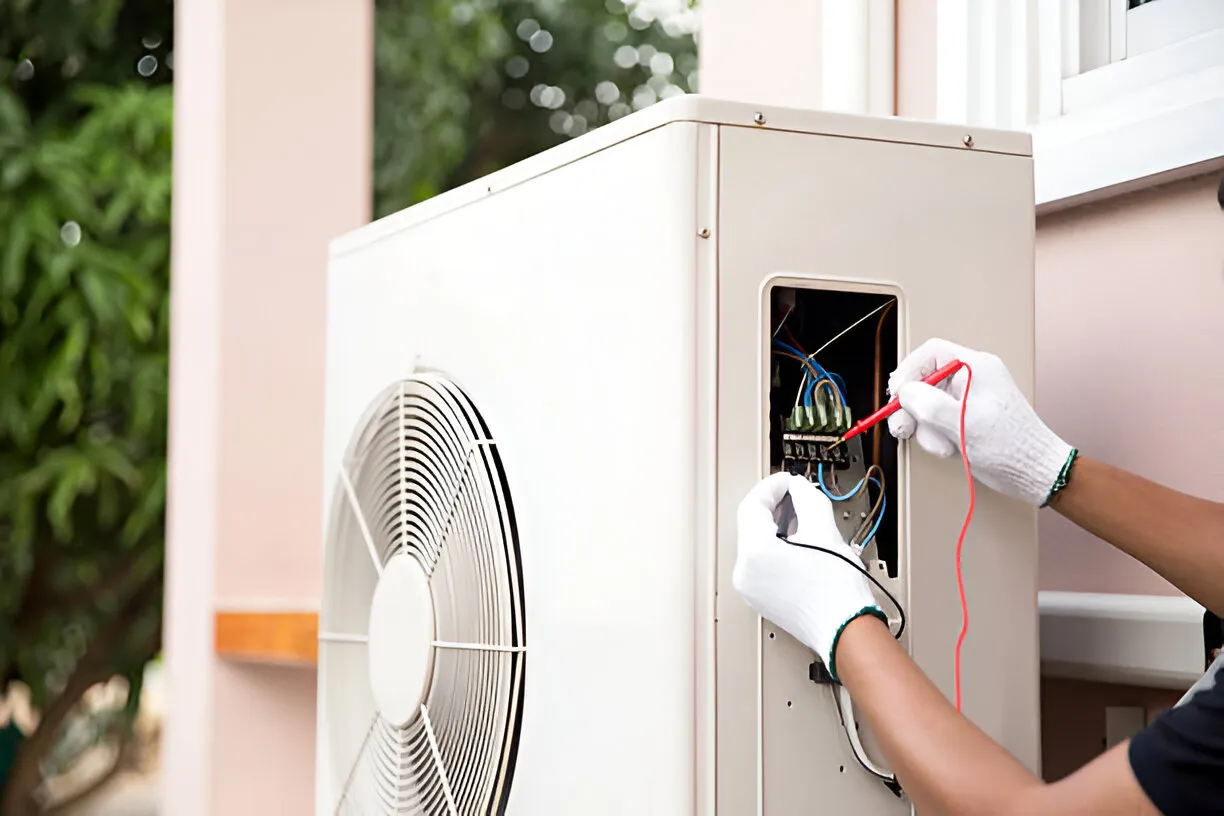
Why local heat pump service matters in Powell, OH
Powell experiences wide temperature swings and seasonal humidity that affect heat pump performance and longevity. Older duct systems common in some Powell neighborhoods can reduce efficiency. Freeze thaw cycles and road-salt exposure may also accelerate wear on outdoor units. Local technicians who understand these regional challenges can recommend equipment sizing, duct corrections, and maintenance plans that match Powell homes and climate patterns.
Common heat pump issues in Powell, OH
- Refrigerant leaks causing reduced heating or cooling capacity and higher bills
- Loss of heating performance in cold snaps due to defrost cycle problems or low refrigerant
- Short cycling from improper sizing, thermostat faults, or blocked airflow
- Frozen outdoor unit coils from poor airflow or refrigerant imbalance
- Strange noises indicating motor, compressor, or fan problems
- Uneven heating or cooling from duct leaks, under‑insulation, or zoning faults
- Electrical failures: contactors, capacitors, or control board faults that prevent operation
These are the most common heat pump issues in Powell, OH and addressing them quickly prevents secondary damage and costly replacements.
Heat pump services offered
- Installation: Complete system selection, right‑sizing for your home, electrical and refrigerant hookups, refrigerant charge verification, and startup testing. Options include air source heat pumps, ductless mini-splits, and hybrid systems paired with existing furnaces for cold‑climate performance.
- Repairs: Diagnosis and repair of refrigerant leaks, compressor issues, defrost system faults, fan and motor replacements, control board and thermostat repairs, and electrical troubleshooting.
- Maintenance: Seasonal tuneups that include filter checks, coil cleaning, refrigerant level verification, electrical inspections, lubrication, and performance testing to preserve efficiency and extend equipment life.
- System inspections: Pre‑season and real estate inspections with performance reports, efficiency measurements, and recommendations for repairs or upgrades.
- Emergency service: Prioritized troubleshooting and temporary repairs during heating emergencies in cold weather, with documented follow up for permanent repairs.
- Performance optimization: Airflow balancing, duct sealing recommendations, thermostat calibration, and recommendations for inverter-driven or variable speed upgrades to reduce utility costs.
How diagnosis and repair typically work
- Initial assessment: A technician confirms symptoms and reviews system history and recent changes to usage or setpoints.
- Visual and electrical inspection: Panels, wiring, capacitors, contactors, and safety devices are inspected for wear or failure.
- Refrigerant and pressure testing: Measurements identify leaks or incorrect charge that reduce capacity.
- Airflow and duct evaluation: Static pressure and temperature splits are measured to find blockages, restrictions, or duct leakage.
- Component testing: Motors, compressors, reversing valves, and defrost controls are checked for proper operation.
- Repair plan and estimate: A clear, written summary of findings and recommended repairs or replacement options is prepared. Emergency trips often include temporary measures to restore heat until a permanent repair is scheduled.
This approach prioritizes safety, code compliance, and long-term performance rather than quick fixes.
Technician qualifications and certifications
Qualified technicians for Powell, OH heat pump service typically hold:
- EPA Section 608 certification for refrigerant handling
- Manufacturer factory training for brands and specific models
- NATE (North American Technician Excellence) or equivalent industry certification
- Continuing education on inverter heat pumps, refrigerants, and efficiency standards
Technicians also follow local building codes and safety standards and use calibrated diagnostic tools to verify performance.
Brands supported
Common residential brands supported include Carrier, Trane, Lennox, Goodman, Rheem, Ruud, Daikin, Mitsubishi Electric, Fujitsu, Bosch, Bryant, and others. Support includes warranty work coordination and manufacturer specified maintenance to preserve warranty eligibility.
Service areas and local considerations
Services center on Powell, OH and nearby communities such as Lewis Center, Dublin, Westerville, and Worthington. Local considerations include:
- Cold winters that make timely heating repairs essential to prevent safety risks and property damage
- Older homes where ductwork or insulation upgrades can significantly improve heat pump efficiency
- Seasonal pollen and humidity that increase filter replacement cadence for indoor air quality
Understanding Powell’s building stock and weather patterns allows recommended solutions to be practical and cost effective.
Service guarantees and warranties
Reliable heat pump service typically includes workmanship guarantees and coordination with manufacturer parts warranties. Common practices:
- Written workmanship warranty for repairs covering labor for a specified period
- Manufacturer parts warranties honored when original parts are replaced according to factory procedures
- Performance verification after repairs or installation to ensure the system meets rated capacity
Guarantees protect homeowners by documenting expectations and repair scopes and by ensuring follow up when performance targets are not met.
When to schedule service and routine maintenance tips
- Have preventive maintenance before the cooling and heating seasons to catch issues early.
- Replace or clean filters monthly or according to the filter rating to maintain airflow.
- Keep the outdoor unit clear of leaves, snow, and debris and ensure six inches of clearance around the unit.
- Monitor energy bills and system run times; sudden increases in runtime or bills signal reduced efficiency.
- If the system stops producing heat in winter, err on the side of calling for professional diagnosis to avoid freeze damage.
Regular maintenance reduces emergency repairs and keeps equipment operating at design efficiency.
Hot Deals & Cool Savings

.webp)
New Service Agreement Membership
.webp)
Any New Client Service
Next Service for Referring a New Client
New Service Agreement Membership
Any New Client Service
Next Service for Referring a New Client
.webp)
.webp)

Service Areas
