
Heat Pump Installation in Powell, OH
Heat pump installation in Powell, OH: expert service from load calculations to post-install support. Learn more and request a quote.

Heat Pump Installation in Powell, OH
Choosing a new heat pump for your Powell, OH home is a long-term decision that affects comfort, utility bills, and resilience through cold Ohio winters and humid summers.
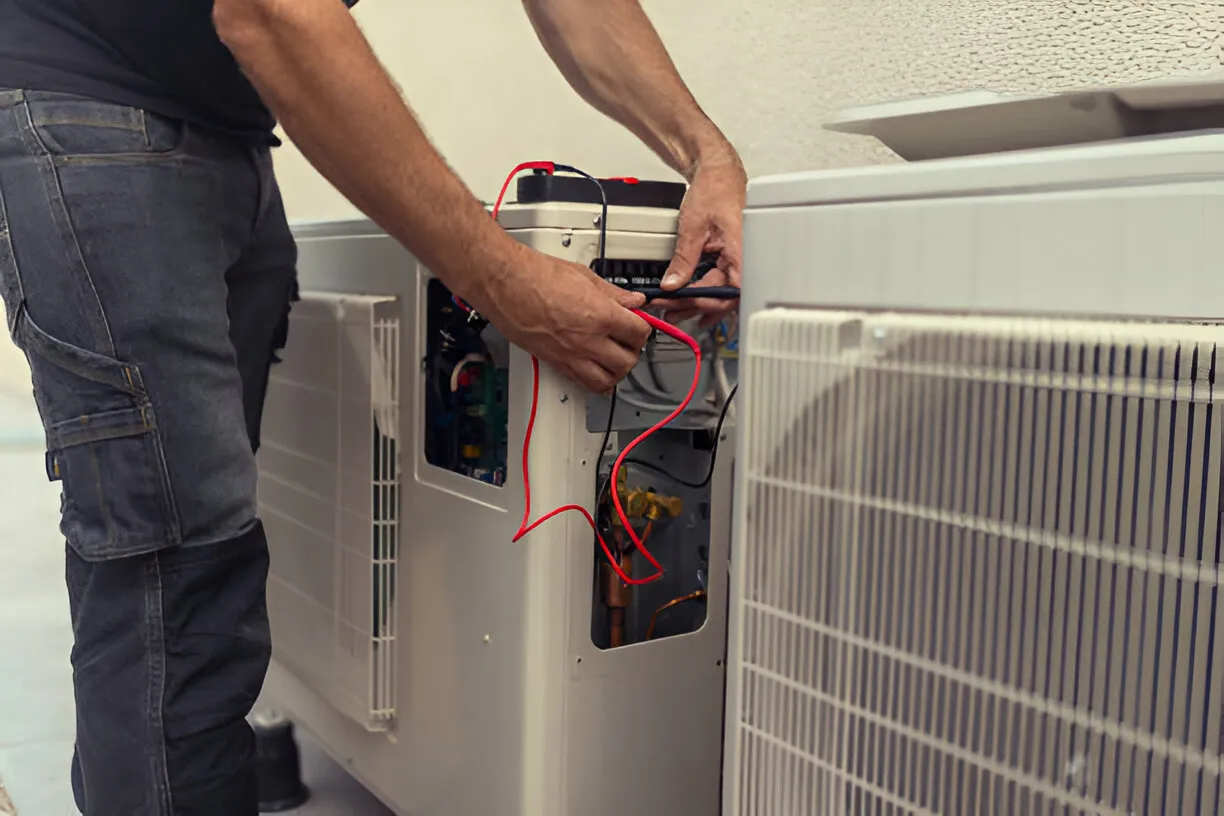
Why a heat pump makes sense in Powell, OH
Powell experiences cold winters and warm, humid summers. Modern cold-climate air-source heat pumps and ductless mini-splits are engineered to provide efficient heating even at lower temperatures, reducing reliance on fossil fuel backup systems. Benefits especially relevant to Powell homes include:
- Year-round efficiency for both heating and cooling.
- Reduced carbon footprint compared with older gas or oil systems.
- Eligibility for utility or government incentives in many cases (verify local programs).
- Better humidity control in summer and consistent comfort in winter.
Common heat pump types and distribution options
- Air-source heat pumps (standard and cold-climate models): Best for homes with existing ductwork or where a single outdoor unit can serve multiple indoor zones.
- Ductless mini-splits: Ideal for homes without ducts, additions, or rooms that need independent temperature control.
- Geothermal (ground-source): High efficiency with more complex installation and site-specific requirements; good where long-term performance and stability are priorities.
- Hybrid systems: Combine a heat pump with an existing furnace for optimal winter performance in extreme low temperatures.
Typical problems a new installation resolves
- Inconsistent room temperatures or overheated/cold zones.
- High winter energy bills from inefficient heating.
- Lack of central air conditioning or inadequate cooling capacity.
- Poor indoor air quality tied to leaky or undersized ducts.
Initial consultation and site assessment
The installation process starts with a detailed on-site consultation that covers:
- Home layout, insulation levels, and existing HVAC equipment.
- Ductwork condition (if present), attic and crawlspace access.
- Desired indoor comfort goals and control preferences.
- Electrical service capacity and outdoor unit placement options.
This assessment identifies constraints like limited outdoor unit space or the need for electrical panel upgrades common in older Powell homes.
Load calculations and system sizing
Proper sizing is critical. Installers use industry-standard methods (Manual J load calculations and Manual S equipment selection) to determine:
- Heating and cooling loads based on square footage, insulation, window orientation, and local climate data for Powell, OH.
- Required capacity in tons or BTUs, plus performance at low outdoor temperatures.Oversizing leads to short cycling and humidity problems; undersizing leads to poor comfort. Expect precise load numbers and recommended unit models as part of your proposal.
Model selection and efficiency options
Key performance metrics to compare:
- SEER for cooling efficiency.
- HSPF and COP for heating performance.
- Cold-weather performance ratings for reliable winter operation.You’ll also review features such as variable-speed compressors, multi-stage operation, noise levels, and smart thermostat compatibility. Selections consider Powell’s heating demands and your energy goals.
Ductwork and distribution considerations
- Existing ducts should be inspected for leaks, insulation, and proper sizing. Unaddressed duct issues can negate efficiency gains.
- For ductless installations, plan indoor unit placement for optimal airflow and aesthetics.
- In some Powell homes, hybrid approaches (partial ducting plus mini-splits) provide the best balance of comfort and cost.
Permitting and code compliance
Heat pump installations in Powell must meet local building and electrical codes. Typical compliance steps include:
- Submitting permit applications to the City of Powell or Delaware County building department.
- Ensuring electrical work meets NEC requirements and any local amendments.
- Proper refrigerant handling by certified technicians in accordance with EPA regulations.Approved permits and inspections protect safety and ensure code compliance; the permit timeline varies based on local workload.
Step-by-step installation and testing procedures
A professional installation generally follows these stages:
- Pre-install preparation: Confirm equipment delivery, site access, and any necessary electrical upgrades.
- System placement: Mount outdoor unit on a level pad or bracket and install indoor units (air handler or wall-mounted heads).
- Refrigerant and line set work: Run refrigerant lines, electrical wiring, and condensate drains with proper insulation and protection.
- Duct modifications or sealing: Repair, insulate, and seal ducts as needed to ensure even distribution.
- Start-up procedures: Evacuate lines, charge refrigerant per manufacturer specs, and start the system.
- System balancing and calibration: Measure airflow, adjust dampers, set proper thermostat staging, and verify controls.
- Performance testing: Confirm heating and cooling capacities, defrost cycles, electrical draw, and safety interlocks.
- Customer orientation: Explain thermostat use, maintenance items, and simple troubleshooting.
Install time varies by complexity: simple replacements may be completed in a day, while multi-zone or geothermal systems require multiple days plus permitting.
Timeline expectations
- Initial consultation and proposals: typically within days to a week of request.
- Final equipment selection and permit submission: usually 1–3 weeks depending on permit processing.
- Physical installation: commonly 1–3 days for typical residential systems; more complex projects may take longer.
- Final testing and handover: completed immediately after installation with a short follow-up period for adjustments.
Pricing factors (what influences the cost)
While exact pricing depends on specifics, expect proposals to reflect:
- System type and efficiency level.
- Number of zones and complexity of ductwork or conduit runs.
- Site access, electrical upgrades, or structural work.
- Permit and inspection fees, and any required subcontracting (e.g., electrical).
Warranty and post-install support
- Major heat pump manufacturers provide component warranties for compressors and parts. Review manufacturer warranty documentation for coverage details.
- Installers typically offer a separate labor warranty and a defined follow-up period for performance adjustments.
- Post-install services often include annual tune-ups, refrigerant checks, airflow verification, filter service, and seasonal performance optimization—important in Powell’s seasonal climate swings.
Maintenance tips for Powell homeowners
- Schedule annual professional maintenance before heating season.
- Replace or clean filters regularly to protect compressor life and maintain efficiency.
- Inspect outdoor unit for debris, vegetation, and winter clearance.
- Seal attic and duct penetrations to minimize heat loss during Ohio winters.
- Use programmable or smart thermostats to reduce run time while maintaining comfort.
Final considerations before you decide
When comparing proposals, look for clear load calculations, explained efficiency ratings, documented permitting, detailed scope for ductwork or distribution, and transparent warranty terms. Because Powell’s climate puts a premium on dependable winter performance, prioritize models and installers experienced with cold-climate operation and thorough commissioning.
This information equips you to evaluate heat pump installation proposals for homes in Powell, OH with confidence and to ensure a reliable, efficient system that meets local climate demands and long-term comfort goals.
Hot Deals & Cool Savings

.webp)
New Service Agreement Membership
.webp)
Any New Client Service
Next Service for Referring a New Client
New Service Agreement Membership
Any New Client Service
Next Service for Referring a New Client
.webp)
.webp)

Service Areas
