
Heat Pump Service in Lithopolis, OH
Heat Pump service in Lithopolis, OH: expert diagnostics, repairs, installation, and seasonal maintenance to improve comfort and efficiency. Learn more.

Heat Pump Service in Lithopolis, OH
Heat pumps are the year-round climate solution for many Lithopolis homes, providing efficient cooling in humid Ohio summers and reliable heating during cold winters. Proper diagnostics, timely repairs, precise installation, and seasonal tune-ups keep a heat pump running efficiently, reduce energy bills, and extend equipment life.
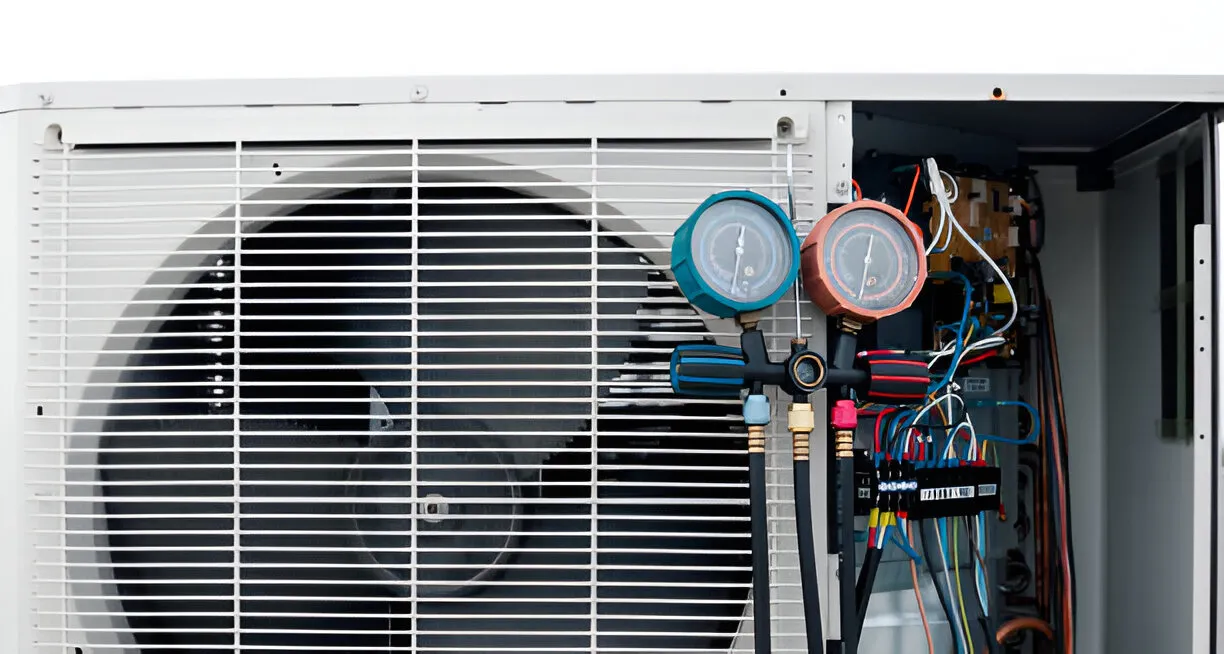
Why local heat pump service matters in Lithopolis, OH
Lithopolis experiences humid summers, fluctuating spring and fall temperatures, and periodic hard freezes in winter. Those conditions affect heat pump performance in several ways:
- High humidity increases latent cooling load and can stress outdoor coils.
- Freeze-thaw cycles and road salt can accelerate corrosion on outdoor units.
- Rapid seasonal swings make proper refrigerant charge and thermostat calibration important for comfort and efficiency.
Local technicians understand these regional stressors and tune systems specifically for Lithopolis household needs, balancing heating performance with summer dehumidification.
Common heat pump issues in Lithopolis homes
Homeowners seeking service often report these frequent problems:
- Reduced heating or cooling capacity, especially during temperature extremes
- Short-cycling or frequent on-off cycles
- Frost or ice buildup on outdoor unit outside of normal defrost cycles
- Noisy operation from compressor, reversing valve, or fan motor
- High utility bills despite normal usage patterns
- Thermostat or controls not switching modes properly
- Leaking refrigerant or low refrigerant charge
- Uneven temperatures between rooms due to duct leakage or airflow imbalance
Recognizing these symptoms early helps prevent compressor failure and expensive replacements.
Diagnostic process: what a technician will inspect
A professional heat pump diagnostic focuses on root causes, using a sequence that minimizes downtime:
- Visual inspection of outdoor and indoor units for damage, corrosion, and airflow obstructions.
- Check of air filters, coils, and condensate drain for cleanliness and proper drainage.
- Electrical system assessment: breakers, contactors, capacitors, wiring, and control voltages.
- Refrigerant checks: pressure readings and leak detection consistent with manufacturer specifications.
- Compressor and reversing valve operation testing, including current draw measurements.
- Thermostat and control system verification, including sensor calibration.
- Ductwork and airflow analysis when applicable, including static pressure and supply/return balance.
- Performance measurement: temperature split, superheat/subcooling, and cycling behavior.
Technicians document findings and explain repair options in plain language so homeowners understand tradeoffs between repair and replacement.
Repairs and common solutions
Repair strategies aim to restore safe, efficient operation:
- Refrigerant leak repair and recharge, following EPA refrigerant handling regulations
- Compressor or reversing valve replacement when diagnosed as failed
- Fan motor and capacitor replacements to restore airflow and starting reliability
- Control board and thermostat replacement for intermittent or erratic operation
- Coil cleaning and fin repair to improve heat transfer
- Defrost system repairs: sensors, timers, or heaters to correct icing issues
- Duct sealing, insulation, and airflow adjustments for balanced home comfort
Where parts are replaced, technicians use OEM or equivalent components and test the system thoroughly before leaving the job.
Installation and replacement considerations
When repair is not cost-effective, professional replacement ensures long-term performance:
- System sizing based on Manual J load calculations that account for Lithopolis climate, insulation, and home envelope
- Selection of equipment types: air-source, ductless mini-split, or cold-climate heat pumps as appropriate
- Matching outdoor and indoor components to maintain manufacturer warranties and efficiency ratings
- Proper refrigerant line sizing, insulation, and high/low pressure testing
- Electrical service review and upgrades when required by code or equipment needs
- Manufacturer startup procedures and performance verification
Correct installation reduces the likelihood of call-backs and achieves rated efficiency in local conditions.
Seasonal maintenance and performance optimization
Regular maintenance keeps heat pumps operating efficiently and prevents small issues from becoming major repairs. Typical seasonal service includes:
- Cleaning or replacing air filters and washing indoor and outdoor coils
- Inspecting and clearing debris around outdoor units to maintain airflow
- Lubricating fan motors and inspecting belts where applicable
- Checking and calibrating thermostats and control settings
- Measuring refrigerant pressures and adjusting charge if necessary
- Testing defrost cycles and reversing valve function
- Verifying electrical connections, amperage, and safety controls
Performance optimization may also include programmable thermostats, zoning adjustments, duct improvements, or upgrading to variable-speed compressors for better humidity control and lower running costs.
Emergency response and temporary measures
Emergency situations in extreme weather require fast, safe responses. Emergency service protocols typically include:
- Prioritizing safety: ensuring no electrical hazards, refrigerant leaks, or carbon monoxide risks
- Temporary heating or cooling strategies to stabilize indoor conditions
- Diagnostic triage to determine whether an on-the-spot repair or scheduled replacement is appropriate
- Clear documentation of temporary fixes and recommendations for permanent solutions
Emergency technicians work to safely restore comfort while preserving equipment where possible.
Supported brands and technician certifications
Reliable service uses trained technicians and recognized standards. Commonly supported brands include:
- Trane, Carrier, Lennox, Rheem, Goodman, Daikin, Mitsubishi, Toshiba, and Bryant
Typical certifications and qualifications found among reputable technicians:
- NATE certification for HVAC skills validation
- EPA Section 608 certification for refrigerant handling
- Manufacturer-specific installation and service certifications
- Local licensing and continuing education on Ohio codes and energy efficiency standards
Certified technicians follow manufacturer procedures to protect warranties and ensure safe refrigerant practices.
Warranties, guarantees, and service transparency
Understanding warranties helps set expectations:
- Manufacturer warranties generally cover compressors and major components; coverage terms vary by brand and model
- Labor warranties or guarantees from service providers cover workmanship for a defined period after repair or installation
- Transparent service reports detail replaced parts, diagnostic readings, and recommended next steps
Homeowners are advised to keep installation records, maintenance logs, and model/serial numbers to support warranty claims.
Practical steps before scheduling service
Preparing key information accelerates diagnostics and ensures an efficient visit:
- Note the heat pump model and serial number from indoor or outdoor nameplates
- Record when the problem began and any patterns or recent changes in operation
- Take photos of the indoor and outdoor units and any error codes displayed on the thermostat
- Check basic items: blown breakers, dirty filters, and closed registers
- Schedule maintenance during spring or fall to avoid peak-season delays and to catch issues before extremes
This preparation helps technicians diagnose accurately and complete service in fewer visits.
Hot Deals & Cool Savings

.webp)
New Service Agreement Membership
.webp)
Any New Client Service
Next Service for Referring a New Client
New Service Agreement Membership
Any New Client Service
Next Service for Referring a New Client
.webp)
.webp)

Service Areas
