
Heat Pump Installation in Lithopolis, OH
Professional heat pump installation in Lithopolis, OH. Learn about system options, permits, incentives, and our maintenance plan. Contact us for a quote today.

Heat Pump Installation in Lithopolis, OH
Upgrading to a modern heat pump is one of the most effective ways to improve year round comfort and reduce energy costs in Lithopolis, OH homes. With cold Ohio winters and humid summers, the right heat pump provides efficient heating, cooling, and humidity control.
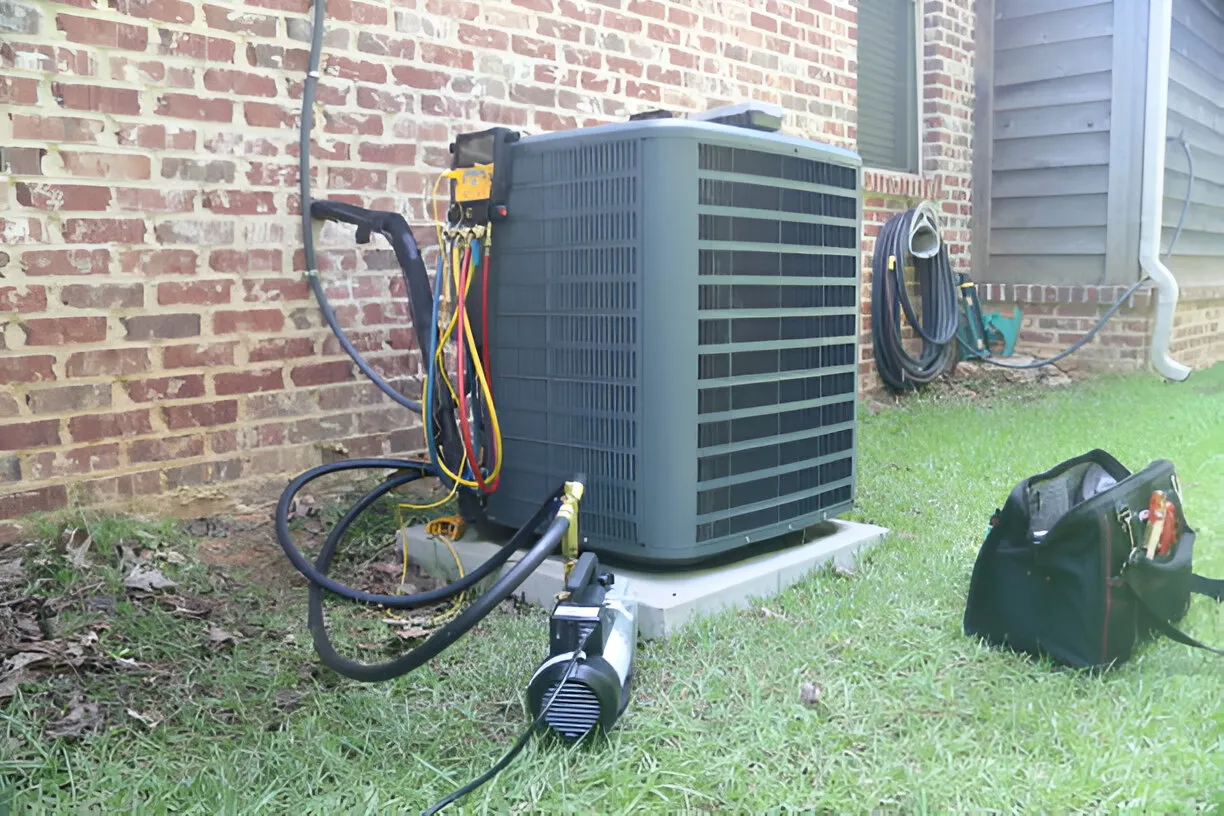
Why consider a heat pump in Lithopolis, OH
Lithopolis experiences below freezing temperatures in winter months and warm, humid summers. Modern cold climate air source heat pumps and ductless mini split systems are designed to deliver reliable heating during colder weather while also providing efficient cooling. Benefits especially relevant to Lithopolis homeowners include:
- Year round heating and cooling from a single system
- Lower operating costs compared with older electric resistance or aging fossil fuel furnaces
- Improved indoor comfort with dehumidification during summer
- Options for homes without ductwork using ductless systems
- Reduced carbon footprint relative to traditional combustion heating
Common reasons homeowners choose new installation
Homeowners in Lithopolis typically pursue heat pump installation for one or more of these reasons:
- Replacing an aging furnace or air conditioner that is inefficient or costly to run
- Adding heating or cooling capability to an addition, finished basement, or older home with no ducts
- Switching from oil or propane heating to an electric-based solution
- Seeking improved comfort and better humidity control
- Taking advantage of energy efficiency incentives and lower long term operating costs
Types of heat pump systems for Lithopolis homes
Choosing the right system depends on home size, existing ductwork, budget, and performance expectations. Common options include:
- Air source heat pumps: Efficient for most single family homes, available in single stage, two stage, and variable speed configurations. Cold climate models maintain capacity at lower outdoor temperatures.
- Ductless mini split systems: Ideal for homes without ducts or for room additions. Offer zoned control, high efficiency, and simpler installation footprints.
- Hybrid systems: Pair a heat pump with a gas furnace for backup heat on the coldest days, providing a balance of efficiency and reliability.
Site assessment, load calculations, and system sizing
A professional installation begins with a full site assessment to match system performance to your home. Key elements include:
- Walkthrough of the home to inspect existing HVAC equipment, ductwork, insulation, windows, and layout
- Manual J load calculation to determine accurate heating and cooling loads based on home orientation, square footage, insulation levels, and occupancy
- Ductwork evaluation for leakage and sizing if choosing a ducted system
- Determination of optimal outdoor unit location, refrigerant piping runs, and electrical capacity
Proper sizing is critical. Oversized units short cycle and reduce efficiency and comfort. Undersized units struggle during extreme temperatures. A correctly sized system improves performance, longevity, and operating cost.
Installation steps and typical timeline
Installation timelines vary by system type and home complexity but commonly follow these stages:
- Pre-install preparations: finalize equipment selection, confirm permits, and schedule.
- Delivery and site setup: place outdoor unit(s) on pads or brackets and stage indoor components.
- Rough work: modify or install ductwork, run refrigerant lines and electrical circuits, and install mounting hardware for indoor units if ductless.
- System connection: brazing and charging refrigerant, finalizing wiring, installing thermostats or controllers.
- Commissioning: vacuum and pressure tests, refrigerant charge check, and startup procedures.
- Walkthrough: explain operation, controls, and maintenance to the homeowner.
A straightforward single family heat pump replacement typically takes 1 to 3 days. Ductless multi zone installations or systems requiring significant ductwork modifications can take longer.
Permitting and code compliance in Lithopolis
Installations must comply with local building and electrical codes. Typical permitting and compliance steps include:
- Obtaining building and electrical permits through the Village of Lithopolis and Fairfield County jurisdictions where applicable
- Ensuring equipment meets federal and state efficiency standards
- Following manufacturer installation guidelines to keep warranties valid
- Providing required inspections and documentation for final occupancy or system approval
A professional installer will handle permit submissions, coordinate inspections with local authorities, and ensure all work meets code.
Commissioning and client walkthrough
Commissioning validates that the system performs to specification. A thorough commissioning process includes:
- Verifying refrigerant charge, airflow, and electrical parameters
- Calibrating thermostats and controllers for each zone
- Demonstrating features such as defrost cycles, backup heat settings, and scheduling
- Providing a homeowner walkthrough that covers routine maintenance, filter replacement, and troubleshooting tips
This ensures you understand normal operation and seasonal expectations for the system.
Incentives, rebates, and financing considerations
Homeowners in Lithopolis may qualify for incentives that reduce upfront costs or improve payback. Typical opportunities include:
- Federal tax credits for high efficiency heat pump installations when equipment meets specific standards
- State or regional utility rebates available through Ohio utilities or energy efficiency programs
- Local programs in the greater Columbus area that support electrification and efficient heating solutions
Availability and eligibility change over time. Documentation such as equipment specifications and invoices is usually required to claim rebates or tax incentives. Ask your installer about common incentive pathways and required paperwork.
Warranty, maintenance, and post installation support
Long term performance depends on proper maintenance and support. Key service elements to review:
- Manufacturer warranties on compressors, coils, and parts; understand coverage duration and terms
- Installation workmanship warranty that covers labor and installation-specific issues
- Recommended maintenance schedule: changing or cleaning filters, annual inspection of refrigerant charge and electrical components, checking defrost operation and condensate drainage
- Seasonal tune ups to preserve efficiency and detect early issues
Post installation support should include accessible documentation, clear maintenance instructions, and guidance on service intervals.
Benefits summary and what to expect after installation
After a professional heat pump installation in Lithopolis, OH homeowners can expect:
- More consistent comfort throughout the year with combined heating and cooling capability
- Lower monthly energy bills compared with older systems
- Quieter operation and improved humidity control in summer months
- Potential eligibility for incentives that reduce net cost
- A system that, when properly maintained, provides reliable service for many years
Upgrades such as improved insulation or programmable thermostats often enhance system performance and comfort. Properly sized and professionally installed heat pumps offer a pragmatic path to efficient, year round climate control that suits Lithopolis weather and residential needs.
Hot Deals & Cool Savings

.webp)
New Service Agreement Membership
.webp)
Any New Client Service
Next Service for Referring a New Client
New Service Agreement Membership
Any New Client Service
Next Service for Referring a New Client
.webp)
.webp)

Service Areas
