
Heat Pump Replacement in Harrisburg, OH
Heat pump replacement in Harrisburg, OH with expert evaluation, sizing, and installation—learn benefits, timeline, and available incentives today.

Heat Pump Replacement in Harrisburg, OH
Replacing a heat pump is a major home investment in Harrisburg, OH, where cold Ohio winters and humid summers put extra demands on heating and cooling systems. A properly sized, modern heat pump improves year-round comfort, reduces utility bills, and limits the risk of midseason breakdowns.
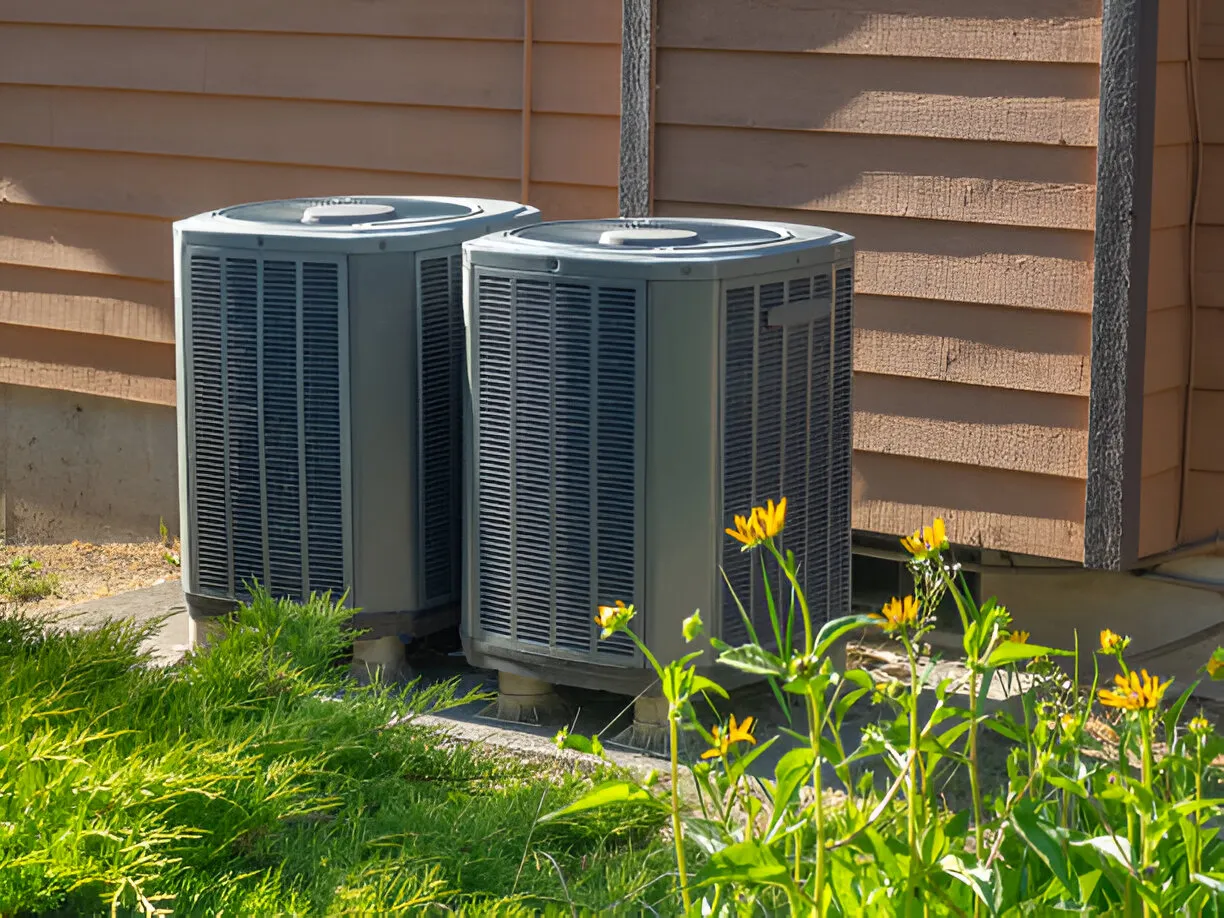
When to consider a heat pump replacement
Common heat pump replacement issues in Harrisburg include:
- System age over 10 to 15 years with declining efficiency.
- Repeated breakdowns or increasing repair frequency and costs.
- Noticeable loss of capacity in cold weather or inability to maintain setpoints.
- Rising utility bills despite normal usage patterns.
- Refrigerant leaks or compressors that need major service.
- Poor indoor comfort: uneven temperatures, excess humidity, or short-cycling.If repairs cost a large fraction of replacement, or the unit uses outdated refrigerant or low efficiency ratings, replacement is typically the more cost-effective, long-term solution.
Professional evaluation and load-calculation process
A sound replacement begins with a professional evaluation, not just a rule-of-thumb swap. The evaluation typically includes:
- Visual inspection of outdoor and indoor units, ductwork, and electrical components.
- Refrigerant pressure and airflow checks to diagnose existing problems.
- A Manual J load calculation to determine the correct heat pump capacity for your home based on square footage, insulation, window types, orientation, air infiltration, and local climate data for Harrisburg, OH.
- Ductwork assessment for leakage, sizing, and balance. Poor ducts can negate efficiency gains.
Correct sizing is critical. Oversized units short-cycle, increase wear, and reduce dehumidification. Undersized units run constantly and cannot maintain comfort on very cold days. The load calculation ensures a system matched to your home and local seasonal extremes.
Comparing energy-efficient models and system types
Options commonly considered for Harrisburg homes:
- Air-source heat pumps: Standard choice for most homes; modern cold-climate models maintain capacity in lower temperatures than older designs.
- Ductless mini-splits: Ideal for homes without ducts, additions, or zone-specific comfort. High efficiency and flexible installation.
- Variable-speed inverter heat pumps: Provide better humidity control, quieter operation, and higher part-load efficiency than single-stage compressors.
- Cold-climate heat pumps: Specifically designed for northern climates, offering improved heating performance on subfreezing days.
- Ground-source (geothermal) heat pumps: Very high efficiency and stable performance year-round, but require larger up-front investment and site-specific feasibility.
Key efficiency indicators to compare:
- SEER (cooling efficiency) and HSPF or HSPF2 / HSPF for heating performance depending on the rating method.
- Cold-weather performance curves (capacity retention at low ambient temperatures).
- Variable-speed components and smart controls for zoning and demand management.
Steps for professional removal and installation
Typical professional replacement process:
- Finalize system selection based on load calculation and homeowner priorities.
- Pull required permits and schedule inspection windows with local authorities.
- Power down and safely recover refrigerant per EPA regulations.
- Remove old outdoor and indoor equipment and prepare mounting surfaces.
- Make any ductwork or electrical upgrades identified during evaluation.
- Install the new indoor and outdoor components, connect refrigerant lines, wiring, and condensate drains.
- Evacuate and charge the refrigerant system to manufacturer specs and test for leaks.
- Commission the system: airflow balancing, thermostat setup, performance verification, and homeowner orientation.
- Leave documentation: equipment manuals, warranty information, and any permit/inspection paperwork.
Timeline and permit considerations
- Evaluation and load calculation: typically 1 to 3 hours onsite; proposal delivered within a few days.
- Permit approval: timing varies by local building department in Harrisburg, often from a few days to a couple of weeks depending on workload and scope of work.
- Installation: most air-source replacements take 1 to 3 days. Ductless mini-splits can often be completed in a single day. Geothermal systems usually require a multiweek schedule due to ground work.
- Final inspection: usually scheduled within days of installation depending on local inspector availability.
Always ensure the installer pulls the required permits and schedules inspections. Permits protect homeowners, confirm code compliance, and are often required for warranty validity and eligibility for certain incentives.
Rebates, financing, and incentives
Many homeowners in Harrisburg qualify for:
- Utility rebates and local incentives for high-efficiency systems or heat pump upgrades.
- State or federal efficiency incentives and tax credits that can reduce net cost.
- Contractor financing plans or energy-efficient lending programs to spread payments.Eligibility and program details change frequently. A qualified installer will review available incentives during the proposal and provide documentation required for rebate applications.
Disposal of old equipment
Proper disposal is both legal and environmentally responsible:
- Refrigerant must be recovered by EPA-certified technicians and handled per federal and state rules.
- Metal and electronic components are typically recycled. Contractors should provide records showing responsible disposal.
- Some utilities or local programs offer pick-up or recycling credits for retired units.
Request documentation of refrigerant recovery and disposal for your records and to support any rebate or tax filings.
Warranty options and long-term protection
Warranty structures commonly include:
- Manufacturer warranties: parts and compressors typically covered for 5 to 10 years, with extended compressor warranties often available for registration.
- Labor warranties: provided by the installer for workmanship and typically range from 1 to several years depending on the contractor.
- Extended service agreements: optional plans covering routine maintenance and reduced-cost repairs.Register equipment with the manufacturer and retain purchase and permit records to preserve warranty rights.
Expected efficiency and cost-savings after replacement
Upgrading from an older heat pump or electric resistance system to a modern, right-sized heat pump typically yields:
- Improved seasonal efficiency: modern units can offer 20 to 40 percent lower energy consumption compared with decade-old equipment, with larger gains when replacing electric resistance heating or very inefficient systems.
- Better comfort and humidity control due to variable-speed compressors and improved airflow.
- Lower operating costs in both heating and cooling seasons, with savings influenced by local electricity rates, usage patterns, and whether the unit replaces natural gas or oil heat.Realistic savings projections come from the professional load analysis and a site-specific estimate. Expect the most meaningful savings when ducts are sealed, insulation is adequate, and the system is properly commissioned.
Maintenance and maximizing the investment
To protect your replacement investment in Harrisburg homes:
- Follow manufacturer-recommended maintenance, typically annual inspections and filter changes.
- Seal and insulate ducts and improve attic and wall insulation where needed.
- Use programmable or smart thermostats to optimize run times and reduce waste.
- Keep outdoor unit clear of debris and maintain adequate airflow year-round.
A properly executed heat pump replacement delivers reliable comfort, stronger performance in Harrisburg winters and summers, and measurable operating-cost reductions. Professional evaluation, correct sizing, appropriate system selection for local climate, and careful installation and commissioning are the factors that determine long-term value.
Hot Deals & Cool Savings

.webp)
New Service Agreement Membership
.webp)
Any New Client Service
Next Service for Referring a New Client
New Service Agreement Membership
Any New Client Service
Next Service for Referring a New Client
.webp)
.webp)

Service Areas
