
Heat Pump Installation in Harrisburg, OH
Heat pump installation in Harrisburg, OH delivers year-round comfort with expert planning, installation, and post-install support. Learn more and schedule a consultation today.

Heat Pump Installation in Harrisburg, OH
Replacing an old furnace or air conditioner with a heat pump can deliver year-round comfort and lower energy bills for Harrisburg, OH homes. Heat pump installation in Harrisburg, OH combines modern, efficient heating and cooling in one system and performs reliably here where humid summers and cold winters both place demands on home comfort systems.
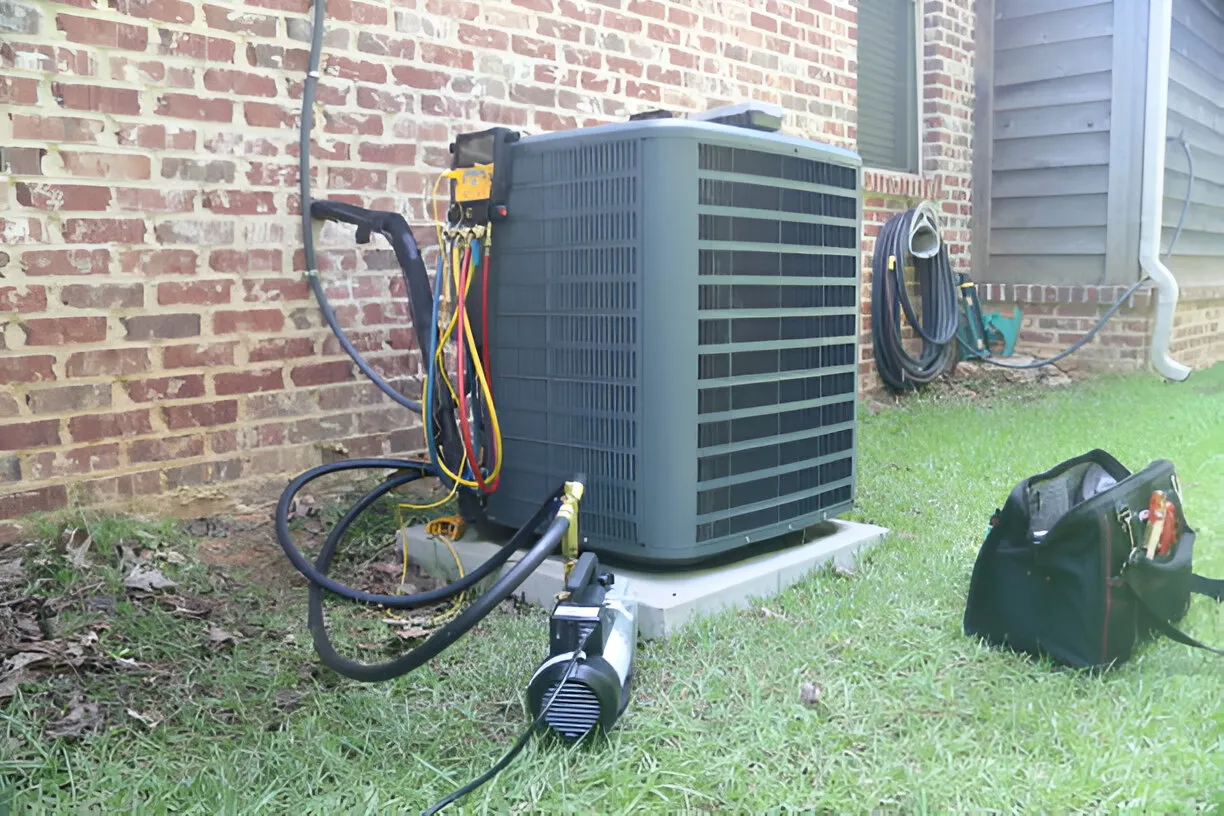
Why a heat pump makes sense in Harrisburg, OH
Harrisburg experiences warm, humid summers and winters that can dip below freezing. A properly sized heat pump provides efficient cooling in summer and efficient heating in winter, often outperforming older electric resistance systems or aging furnaces in seasonal efficiency. Modern variable-speed and cold-climate heat pumps maintain comfort even in lower temperatures common to Ohio, and many models reduce energy use compared with separate heating and cooling systems.
Common heat pump options and common issues in Harrisburg, OH
- Air-source heat pumps: Most common choice, efficient for both heating and cooling in this climate.
- Ductless mini-splits: Ideal for homes without ductwork or for additions and zoning older homes.
- Geothermal heat pumps: Highest efficiency but higher upfront cost and site-dependent installation.
- Hybrid systems: Combine a heat pump with a gas furnace for cold-climate performance.
Common heat pump issues in Harrisburg, OH homes include undersized equipment from previous installations, poorly sealed ductwork, insufficient electrical capacity, inadequate refrigerant charge, and units located with poor airflow or drainage. Proper planning during installation avoids these problems.
Initial consultation and load sizing
The process begins with an on-site consultation to assess your home’s layout, insulation, windows, occupancy, and existing ductwork or spaces for ductless indoor units. A thorough load calculation (often called Manual J) determines the correct heat pump capacity. Proper load sizing prevents short-cycling, improves comfort, and maximizes efficiency. During the consultation expect a review of:
- Square footage and room-by-room heat loss/gain
- Insulation levels and window types
- Current ductwork condition or potential mounting locations for indoor units
- Electrical service capacity and panel location
Equipment selection and energy-efficiency considerations
Equipment selection balances comfort goals, budget, and efficiency. Key factors include:
- Type: air-source, mini-split, geothermal, or hybrid
- Efficiency ratings: SEER for cooling and HSPF or HSPF2 for heating
- Variable-speed compressors for quieter operation and better humidity control
- Cold-climate ratings if your priority is winter performance
Choosing the right model for your home ensures you get the greatest seasonal efficiency and comfort performance tailored to Harrisburg’s climate.
Site preparation, electrical, and permits
Proper site preparation is essential. This typically includes:
- Determining outdoor unit placement with adequate clearance and drainage
- Preparing a level pad for the outdoor unit
- Running or upgrading electrical service for the heat pump and new disconnects
- Planning refrigerant line-set routes and indoor unit locations
- Ensuring condensate drainage for indoor units
Your installation will generally require local building and electrical permits and an inspection by the municipal or county authority. Permit requirements ensure the installation meets safety and energy codes and reduce future liability. Your installer should handle permit submission and scheduling of inspections as part of the process.
Duct or line-set work and indoor modifications
For ducted systems, technicians will inspect and often seal or modify existing ducts to optimize airflow and efficiency. Common duct services include sealing leaks, adding insulation to poorly insulated runs, and connecting a properly sized coil.
For ductless systems, line-set runs (refrigerant piping) and electrical wiring are routed with minimal disruption, and indoor units are mounted to maximize zoned comfort. In all cases, installers will protect floors and furnishings and restore any minor cosmetic disturbances.
Professional installation steps
A standard professional installation typically follows these stages:
- Finalize equipment and parts list after site assessment
- Obtain permits
- Prepare site: pad, electrical upgrades, duct/line preparations
- Install outdoor unit and indoor equipment (air handler, coil, or mini-split heads)
- Connect refrigerant lines, electrical, and condensate drains
- Evacuate and charge refrigerant to manufacturer specifications
- Seal and test ductwork where applicable
- Commission system and program thermostat or controls
Installers follow manufacturer specifications and local code for safety and performance.
Commissioning, testing, and quality checks
Commissioning confirms the system performs as designed. Key checks include:
- Refrigerant charge and pressure tests
- Verifying electrical connections and correct breaker sizing
- Measuring airflow and temperature split across the coil
- Testing defrost and heat mode operation in cold-weather-capable systems
- Setting and testing thermostat and zoning controls
- Walk-through with the homeowner to explain controls and routine maintenance
Documented commissioning ensures long-term reliability and preserves equipment warranties.
Incentives, rebates, and energy programs
Homeowners in Ohio may be eligible for federal tax credits, state incentives, and local utility rebates that help offset the cost of efficient heat pumps. Available programs change over time, but common options include federal credits for qualifying heat pumps, utility rebates for high-efficiency equipment or insulation upgrades, and state energy program incentives. Confirm current eligibility and documentation requirements during planning so the selected equipment qualifies.
Post-installation support, warranties, and maintenance
After installation, expect manufacturer equipment warranties and typical labor warranties from the installation contractor. Warranties vary by manufacturer and model; confirm what is covered and any required registration. Routine maintenance keeps your heat pump operating efficiently and includes:
- Changing or cleaning filters every 1 to 3 months
- Annual professional tune-up to check refrigerant, electrical, and airflow
- Keeping outdoor unit clear of debris, snow, and plants
- Verifying condensate drains and pan integrity
A documented maintenance plan preserves efficiency, reduces repair risk, and supports warranty claims.
Long-term benefits for Harrisburg homeowners
A properly installed and commissioned heat pump delivers steady indoor comfort, lower energy consumption, and simplified HVAC needs by combining heating and cooling into one efficient system. For Harrisburg homes, modern heat pumps address both humid summers and cold winters reliably while offering long-term savings and improved indoor air comfort when paired with well-sealed ductwork or properly zoned mini-splits.
If you are comparing options, understanding the full installation process—from load sizing and permits to commissioning and maintenance—helps you evaluate proposals and select the right system for your Harrisburg, OH home.
Hot Deals & Cool Savings

.webp)
New Service Agreement Membership
.webp)
Any New Client Service
Next Service for Referring a New Client
New Service Agreement Membership
Any New Client Service
Next Service for Referring a New Client
.webp)
.webp)

Service Areas
