
Heat Pump Replacement in Grandview, OH
Heat pump replacement in Grandview, OH: learn when replacement is best, get an on-site evaluation, financing options, and warranty coverage. Learn more.

Heat Pump Replacement in Grandview, OH
Replacing a heat pump is one of the most impactful decisions you can make for comfort and long-term energy costs in Grandview, OH. With cold Ohio winters and humid summers, the right heat pump provides reliable heating, efficient cooling, and year-round humidity control.
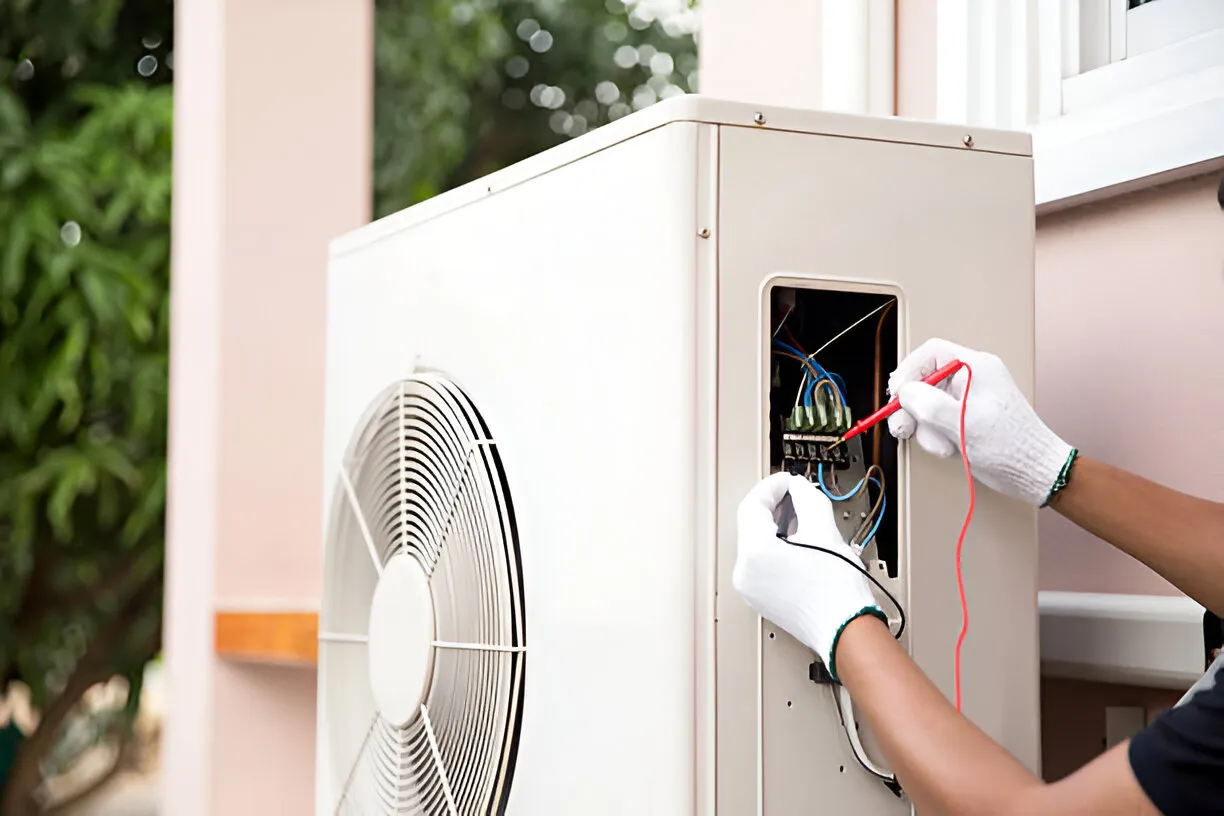
When to Replace vs Repair
Knowing whether to repair or replace a heat pump starts with the system age, condition, and performance. Consider replacement when you notice one or more of the following:
- The system is 10 to 15 years old or older and has required repeated repairs.
- Efficiency has dropped significantly and utility bills are rising despite routine maintenance.
- Comfort problems persist such as uneven temperatures, frequent short cycling, or inadequate heat during cold snaps common in Grandview winters.
- The compressor or sealed refrigerant system has failed. These are costly repairs and often justify replacement.
- R-22 refrigerant or other phased-out refrigerants are used, making repairs expensive or impractical.
If problems are isolated, recent, or covered by warranty and the system is otherwise healthy, a targeted repair may be the better short-term choice. Replacement is the smarter long-term investment when reliability, efficiency, and modern features matter.
On-Site Evaluation and Load Calculations
A thorough on-site evaluation ensures the new heat pump matches your home’s real needs instead of relying on rule-of-thumb sizing. Key steps include:
- Inspecting ductwork, attic insulation, air sealing, and existing equipment condition.
- Performing Manual J load calculations to determine heating and cooling loads specific to your Grandview home, accounting for local climate, window exposures, insulation levels, and occupancy.
- Measuring airflow and static pressure to identify duct restrictions or leaks.
- Discussing lifestyle preferences such as desired indoor temperature ranges and zoning needs.
Accurate load calculations prevent oversizing or undersizing. Oversized systems short cycle and waste energy; undersized systems struggle on the coldest days. In the Grandview climate, sizing that accounts for winter performance is especially important.
Choosing Energy-Efficient Models and Proper Sizing
When selecting a replacement heat pump, prioritize options that are proven for colder climates and that match your calculated loads:
- Look for high heating performance ratings for cold-weather operation. Cold-climate heat pumps maintain capacity at lower temperatures.
- Compare efficiency metrics: HSPF for heating and SEER for cooling. Higher ratings mean lower operating costs.
- Consider variable-speed compressors and multi-stage systems for better humidity control and quieter, more consistent conditioning.
- For homes without ductwork, modern ductless mini-splits offer flexibility and high efficiency.
- Evaluate features such as smart thermostats, integrated defrost controls, and zoning capability.
Right-sizing and selecting equipment with advanced controls yield the best comfort-to-cost balance, particularly given Grandview’s seasonal extremes.
Removal and Disposal of Old Equipment
Safe removal follows environmental and code requirements:
- Certified technicians recover refrigerant using approved recovery equipment and handle refrigerant reclamation or disposal per EPA rules.
- The old unit is disconnected, removed, and prepared for disposal or recycling. Metal, copper, and other materials are typically recycled.
- Proper disposal ensures compliance with state and federal regulations and avoids fines or environmental harm.
Documented refrigerant recovery and disposal provide peace of mind and protect your home.
Installation Timeline and What to Expect
A typical replacement project for a conventional heat pump has predictable phases:
- Pre-installation assessment and final equipment selection: 1 to 3 days.
- Permit processing and materials procurement: variable, often a few days to two weeks depending on local permitting.
- On-site removal of the old unit, duct or line set modifications, mounting of new equipment, electrical and refrigerant connections, and system charging: commonly 1 to 3 days for standard installations.
- Final commissioning, performance testing, and homeowner walkthrough: same day as completion.
Complex installations—such as converting from an air conditioner-only system to a cold-climate heat pump, installing ductless units, or upgrading ductwork—may take longer. Weather, permit timing, and parts availability can affect schedule.
Permit and Code Compliance
Heat pump replacement must meet local building and mechanical codes. In Grandview, OH you should expect:
- Required permits for mechanical and electrical work.
- Inspections for wiring, refrigerant lines, combustion safety if gas systems are present, and overall installation quality.
- Compliance with Ohio building codes and any municipal amendments.
Licensed installers typically obtain permits and coordinate inspections, ensuring the installation meets all local requirements.
Financing, Rebates, and Incentive Options
Multiple programs may reduce the upfront cost:
- Federal tax credits and incentive programs have supported heat pump upgrades in recent years; eligibility depends on timing and qualifying equipment.
- Ohio state programs and local utility rebates in the Columbus/Franklin County region may offer rebates for high-efficiency heat pumps or duct improvements.
- Manufacturer financing and third-party financing options are often available for eligible projects.
Because incentives change, verify current offerings before purchase to maximize available savings.
Expected Energy Savings and Lifetime Cost Comparison
Upgrading to a modern, high-efficiency heat pump usually delivers meaningful savings compared with older systems and electric resistance heating:
- New systems are more efficient and may reduce annual heating and cooling bills substantially, improving comfort while lowering energy use in Grandview’s mixed climate.
- When comparing lifetime cost, include estimated energy savings, maintenance, expected service life, and potential repair avoidance. Higher-efficiency units typically have higher upfront costs but lower lifetime operating expenses.
- Consider insulation and air sealing improvements alongside a new heat pump to realize the best return on investment.
A professional calculation based on your utility rates and usage patterns provides the most accurate lifetime cost comparison.
Warranty and Post-Installation Support
A comprehensive post-installation plan protects your investment:
- Manufacturer warranties cover major components; verify terms for compressors, coils, and electronics.
- Installation or workmanship warranties cover labor and installation errors for a defined period.
- Proper commissioning, documentation of refrigerant charge and airflow, and a homeowner orientation are essential deliverables.
- Ongoing maintenance options such as annual tune-ups, filter service, and system monitoring preserve efficiency and extend system life.
Keeping records of maintenance and warranty documents ensures you can access coverage if needed.
Hot Deals & Cool Savings

.webp)
New Service Agreement Membership
.webp)
Any New Client Service
Next Service for Referring a New Client
New Service Agreement Membership
Any New Client Service
Next Service for Referring a New Client
.webp)
.webp)

Service Areas
