
Heat Pump Installation in Grandview, OH
Expert heat pump installation in Grandview, OH. Schedule your installation today to learn about permits, warranties, and maintenance for year-round comfort.

Heat Pump Installation in Grandview, OH
Installing a heat pump is one of the most effective ways to bring year-round comfort and lower energy bills to Grandview, OH homes. With hot, humid summers and cold winters, selecting and installing the right heat pump system requires careful planning: accurate load calculations, correct equipment sizing, and attention to local code and site conditions.
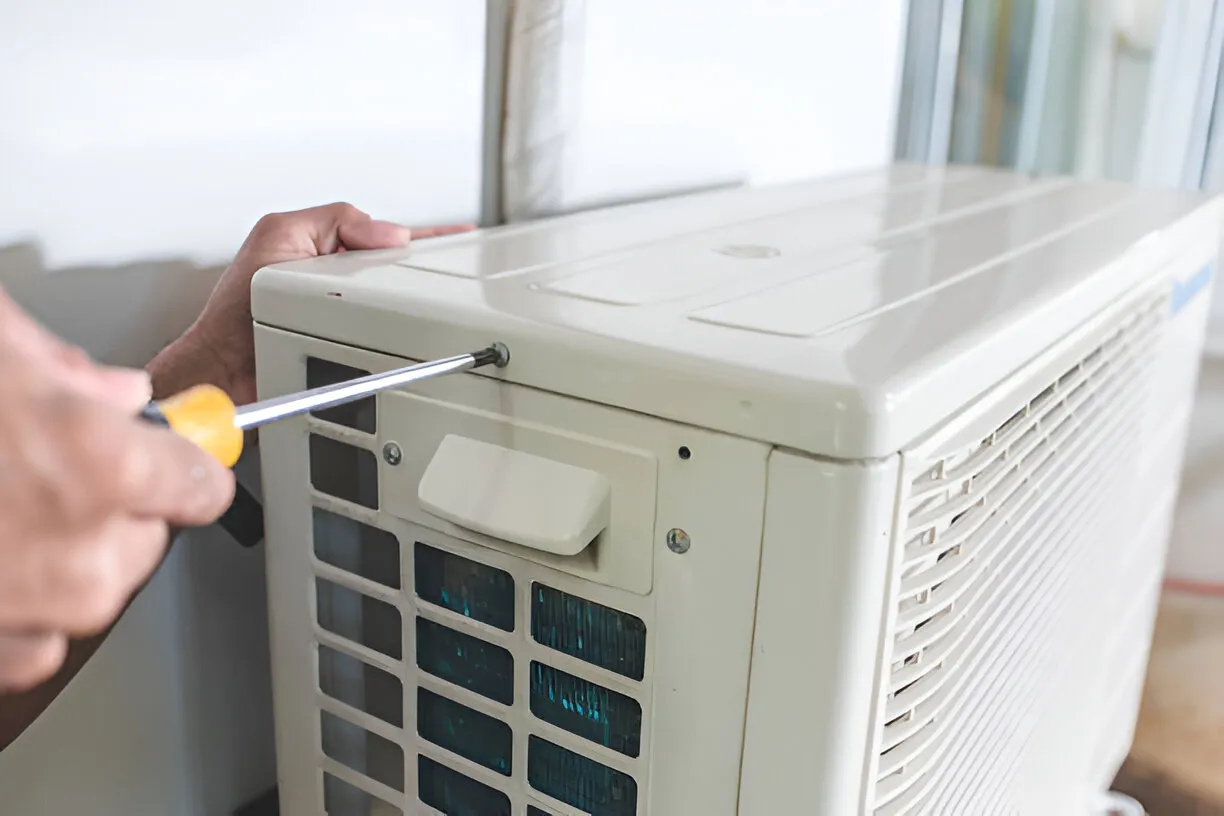
Why a heat pump makes sense in Grandview, OH
Grandview falls in a climate that benefits from efficient heat pump technology. Modern heat pumps provide strong cooling in summer while delivering efficient heating through cold months when sized and installed correctly. They also offer consistent dehumidification during humid Ohio summers and reduced fossil-fuel usage compared with traditional gas or oil systems. For many Grandview homes—including older houses with limited attic or crawlspace access and newer airtight homes—heat pumps can be a comfortable, energy-smart upgrade.
Common heat pump issues in Grandview, OH
Homeowners considering replacement or new installation often run into recurring concerns:
- Oversized or undersized equipment leading to short cycling or insufficient heating in shoulder seasons
- Poor airflow from undersized or leaky ducts in older Grandview houses
- Inadequate defrost performance in colder spells if a cold-climate unit is not specified
- Electrical upgrades needed for modern compressor and inverter systems
- Outdoor unit placement challenges due to limited setback or local noise considerationsA professional installation addresses these issues through proper assessment and equipment selection.
Initial consultation and site assessment
Professional installation begins with a thorough onsite visit. Expect the technician to:
- Inspect the home layout, existing HVAC ductwork (if any), attic and crawlspace access, and outdoor unit locations
- Check insulation levels, window exposure, and typical occupancy patterns—factors affecting load
- Discuss preferences: single-zone vs multi-zone comfort, ducted versus ductless options, and budget vs long-term efficiency goalsThis assessment informs the load calculation and proposal for the best system type for your Grandview home.
Load calculation and equipment selection
Accurate sizing is critical. Installers use Manual J load calculations (or equivalent) to determine heating and cooling loads rather than relying on rule-of-thumb sizing. The calculation considers:
- Square footage and room-by-room distribution
- Insulation, window types, and orientation
- Air infiltration and occupancyBased on the load, technicians recommend equipment rated for Grandview conditions—often a cold-climate heat pump or a high-efficiency inverter-driven model—plus options for enhanced dehumidification or supplemental electric heat when needed.
Ducted vs ductless systems: which fits your home?
Both options are common in Grandview:
- Ducted heat pumps
- Best where existing ductwork is in good condition
- Provides whole-house airflow and works with central filters and humidifiers
- May require duct sealing or redesign in older homes
- Ductless mini-split systems
- Ideal for additions, historic homes without ducts, or targeted zone control
- Easier installation with less structural impact; indoor heads mount on walls or ceilings
- Highly efficient for multi-zone control but may require multiple indoor units for full-house coverageChoosing depends on retrofit complexity, budget, and desired control over individual rooms.
Typical installation procedures
A professional installation follows clear phases:
- Pre-install prep: finalize equipment selection, order parts, and secure permits
- Site preparation: establish outdoor pad or mounting, run refrigerant lines and condensate drains, and prepare electrical connections
- Mechanical installation: mount outdoor unit, install indoor air handler(s) or duct connections, seal and insulate refrigerant lines, and complete duct modifications if required
- Electrical work: dedicated circuit installation, disconnect, breaker sizing, and control wiring following current electrical code
- Commissioning and testing: charge refrigerant to spec, verify airflow, set control schedules, and test for correct heating/cooling operationMost standard installations take one to two days for a single-zone system; more complex ductwork or multi-zone systems can extend the timeline.
Refrigerant line work and electrical requirements
Modern installations use manufacturer-specified refrigerants (for example, R410A or lower-GWP alternatives) and precise line sizing. Key points include:
- Proper line set routing and insulation to avoid heat gain/loss and condensation
- Leak testing and evacuation to meet performance and environmental standards
- Electrical upgrades may include a dedicated breaker, new disconnect, or panel capacity review to handle inverter-driven compressorsAll electrical work should comply with the National Electrical Code and local Grandview and Franklin County regulations for safety and inspection readiness.
Commissioning and performance testing
Commissioning is where the system is tuned for optimal comfort:
- Measure superheat and subcooling, verify refrigerant charge, and adjust expansion device settings
- Check airflow across coils, confirm static pressure, and balance if ducts were modified
- Verify thermostat programming, reversing valve operation, and defrost cycles
- Document operational metrics and provide a performance recap for the homeownerProper commissioning ensures efficient seasonal performance and helps reduce the likelihood of callbacks.
Permits, code compliance, and inspections in Grandview, OH
Heat pump installations in Grandview typically require mechanical and electrical permits and a final inspection. Common compliance items:
- Mechanical permit for HVAC equipment and any duct or vent modifications
- Electrical permit where new circuits, disconnects, or panel changes are required
- Outdoor unit placement must respect local setbacks and noise ordinancesInstallers familiar with Grandview and Ohio codes will prepare necessary paperwork and schedule inspections to ensure the installation meets local building code and safety standards.
Warranties and registration
Most heat pump manufacturers provide:
- Compressor and parts warranties (terms vary by model)
- Additional warranty on inverter components or extended coverage for high-efficiency modelsInstaller workmanship warranties are separate and cover labor-related issues for a set period. Registering equipment with the manufacturer and keeping a record of installation documentation and service visits preserves warranty rights.
Post-installation support and maintenance recommendations
To maintain efficiency and longevity in Grandview’s climate:
- Schedule annual professional tune-ups—preferably before summer and before winter—to check refrigerant, electrical components, and airflow
- Replace or clean filters every 1 to 3 months depending on use and indoor air quality
- Keep outdoor unit clear of debris, snow, and vegetation; ensure proper airflow around the unit
- Monitor system performance: unusual noises, erratic cycling, or comfort complaints warrant prompt inspectionConsider a seasonal maintenance plan that includes priority scheduling, preventive checks, and documented service history.
Final considerations
A properly selected and professionally installed heat pump delivers consistent comfort, better humidity control, and energy savings for Grandview, OH homes. The difference between a marginal and a high-performing installation lies in accurate load calculation, correct equipment choice for Ohio’s climate, meticulous refrigerant and electrical work, and thorough commissioning. With the right planning and maintenance, a heat pump is a durable, efficient heating and cooling solution tailored to the needs of Grandview homeowners.
Hot Deals & Cool Savings

.webp)
New Service Agreement Membership
.webp)
Any New Client Service
Next Service for Referring a New Client
New Service Agreement Membership
Any New Client Service
Next Service for Referring a New Client
.webp)
.webp)

Service Areas
