
Heat Pump Replacement in Franklinton, OH
Heat Pump Replacement in Franklinton, OH: Learn when to replace, what to expect during installation, and how to choose a cold-climate model.

Heat Pump Replacement in Franklinton, OH
Replacing a heat pump is a significant decision for Franklinton homeowners who want dependable heating and cooling, lower energy bills, and improved indoor comfort. In this neighborhood — where older homes, urban rowhouses, and floodplain considerations along the Scioto River influence equipment siting and durability — knowing when to replace versus repair, how systems are evaluated and sized, and what to expect during installation makes the difference between an expensive mistake and a long-term upgrade.
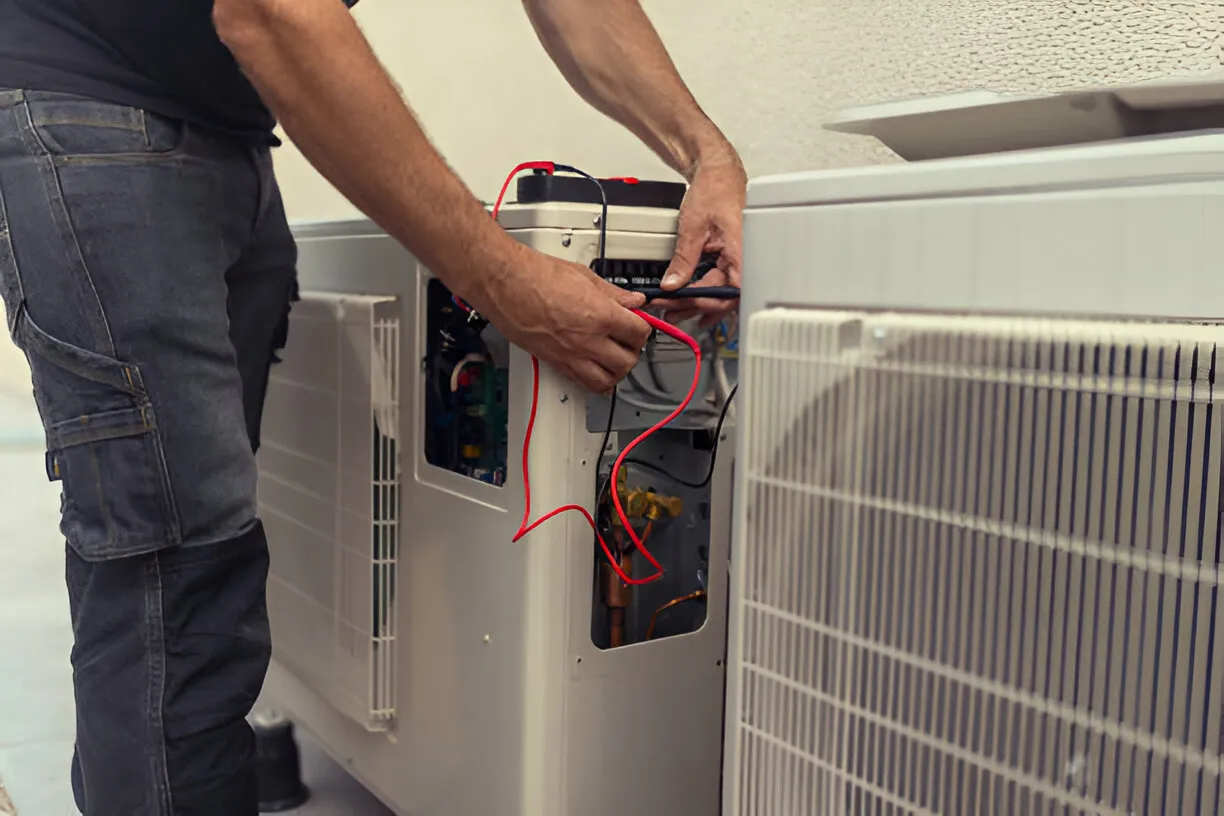
When replacement is recommended vs repair
Consider replacement when you see one or more of the following:
- System age is 10 to 15 years or more and reliability is declining.
- Frequent costly repairs (compressor failures, refrigerant leaks, electronic control problems).
- Rising energy bills despite routine maintenance.
- Inability to maintain set temperatures during cold snaps (common in central Ohio winters).
- Obsolete refrigerant (older units using R-22) or parts that are no longer available.
- Diminished capacity or noisy operation that indicates major mechanical wear.
Repair is reasonable for isolated failures on relatively new, efficient systems. Replacement becomes the smarter investment when repair costs approach a large fraction of a modern system’s value or when efficiency gains will pay back over time through lower utility costs.
System evaluation process
A thorough evaluation precedes any recommendation:
- Visual inspection of outdoor and indoor units, ductwork and electrical service.
- Performance checks: airflow, refrigerant pressures, temperature splits, and electrical draw.
- Filter, coil, and drain condition assessment.
- Age and maintenance history review.
- Site review for outdoor unit location, flood risk, clearances, and noise concerns (particularly important in Franklinton’s denser blocks).The outcome is a report that identifies if repair, partial component replacement, or full system replacement best meets your goals.
Sizing and load calculations
Proper sizing is essential. Oversized units short-cycle and cause humidity and comfort issues; undersized units can’t keep up on extreme days. Professionals use:
- Manual J load calculation to determine heating and cooling needs based on home construction, insulation, windows, orientation, and Franklinton’s climate patterns.
- Manual S for equipment selection to match capacity and performance.
- Manual D when duct modifications or balancing are required.Accurate calculations also factor in local cold-weather performance requirements and possible future home changes (finished basements, added insulation).
Comparing energy-efficient models and brands
Key features to compare:
- Efficiency ratings: SEER2 for cooling and HSPF2 for heating. Higher numbers mean better efficiency and lower operating costs.
- Inverter-driven variable-speed compressors for steadier temperatures and quieter operation.
- Cold-climate models designed to maintain capacity at lower temperatures (recommended for Ohio winters).
- Ducted vs ductless: ductless mini-splits are ideal for zone control or homes without ductwork; modern ducted heat pumps are efficient and integrate with existing HVAC systems.
Common reliable brands to consider include systems with proven cold-weather performance and wide parts availability. Look for ENERGY STAR certification and manufacturer cold-climate ratings. Match features to your priorities: lowest operating cost, quietest operation, or best warranty coverage.
Removal and disposal of old equipment
Safe, compliant disposal includes:
- EPA-certified refrigerant recovery and documented handling (required by federal law).
- Proper recycling of metal and electronic components per local rules.
- Disconnection and safe removal of old pads, supports, or duct components.In Franklinton, take site elevation and flood risk into account when removing or installing outdoor units to avoid future flood damage.
Installation timeline
Typical replacement process and timing:
- On-site evaluation and load calculation: 1 visit, 1–2 hours.
- Permit submission and approval: often a few days to a few weeks depending on local building department schedules.
- Equipment delivery and staging: 1–3 days.
- Removal of old system and installation of new heat pump: commonly 1–3 days for a standard residential job.
- Startup, commissioning, and homeowner orientation: same day as installation completion.
- Final inspection if required by the City of Columbus (Franklinton falls under Columbus permitting) and any commissioning paperwork.
Permitting and code compliance
Heat pump replacement typically requires local permits and code compliance:
- City of Columbus building and mechanical permits and inspections ensure safety and adherence to the Ohio Mechanical Code.
- Refrigerant handling must comply with EPA Section 608 rules.
- Electrical work may require inspection and coordination with utility service, especially for higher-capacity systems.Always work with contractors who pull required permits and provide inspection-ready documentation.
Financing and rebate options
Several options can help offset upfront cost:
- Federal and state incentives and tax credits frequently apply to qualifying high-efficiency heat pumps; current availability and eligibility vary, so verify current programs.
- Local utility rebates or HVAC-specific incentives through Columbus-area utilities or energy efficiency programs may be available for ENERGY STAR systems.
- Many lenders and contractors offer financing plans tailored to HVAC upgrades.Discuss eligibility with your installer and a tax advisor to understand how incentives and financing can affect the total investment.
Warranty and performance guarantees
Expect two layers of protection:
- Manufacturer warranty covering major components (compressor, coils) — terms vary by brand and model.
- Installer workmanship warranty covering labor, installation quality, and commissioning.Ask for clear documentation of what each warranty covers, length of coverage, and any registration requirements. Some installers offer performance guarantees tied to efficiency or specific system output; these can provide extra assurance.
Expected cost factors
Replacement cost depends on:
- Type of system: air-source vs ground-source (geothermal).
- Capacity and efficiency level (higher SEER/HSPF increases equipment cost but lowers operational cost).
- Ductwork repairs, zoning, or air sealing needs.
- Electrical service upgrades or panel work.
- Accessibility and site preparation (tight urban lots or flood-prone locations can increase labor).
- Permit fees, disposal costs, and optional add-ons (smart thermostats, extended warranties).
Homeowner benefits of a new heat pump
A properly selected and installed heat pump delivers:
- Lower monthly energy bills and predictable heating/cooling costs.
- Consistent comfort with improved humidity control and even temperature distribution.
- Quieter operation and reduced maintenance needs.
- Reduced carbon footprint compared with older electric resistance or fossil-fuel systems.
- Increased home value and modern comfort features like zoning and smart thermostats.
For Franklinton homes, choosing the right unit and installation approach must account for local winter performance, limited outdoor space, and flood considerations. A replacement that pairs accurate load calculations, appropriate cold-climate equipment, and compliant installation will deliver reliable comfort and energy savings for years to come.
Hot Deals & Cool Savings

.webp)
New Service Agreement Membership
.webp)
Any New Client Service
Next Service for Referring a New Client
New Service Agreement Membership
Any New Client Service
Next Service for Referring a New Client
.webp)
.webp)

Service Areas
