
Heat Pump Installation in Franklinton, OH
Heat pump installation in Franklinton, OH: learn the process, permits, and warranty details. Schedule your free consultation today.

Heat Pump Installation in Franklinton, OH
Heat pump installation in Franklinton, OH is an investment in year-round comfort and energy efficiency. With cold Ohio winters and humid Summers, a properly sized and installed heat pump provides reliable heating, efficient cooling, and lower operating costs compared with some legacy systems. In Franklinton’s mix of older homes, river-adjacent lots, and compact urban lots, careful site evaluation and code-compliant installation are critical to long-term performance.
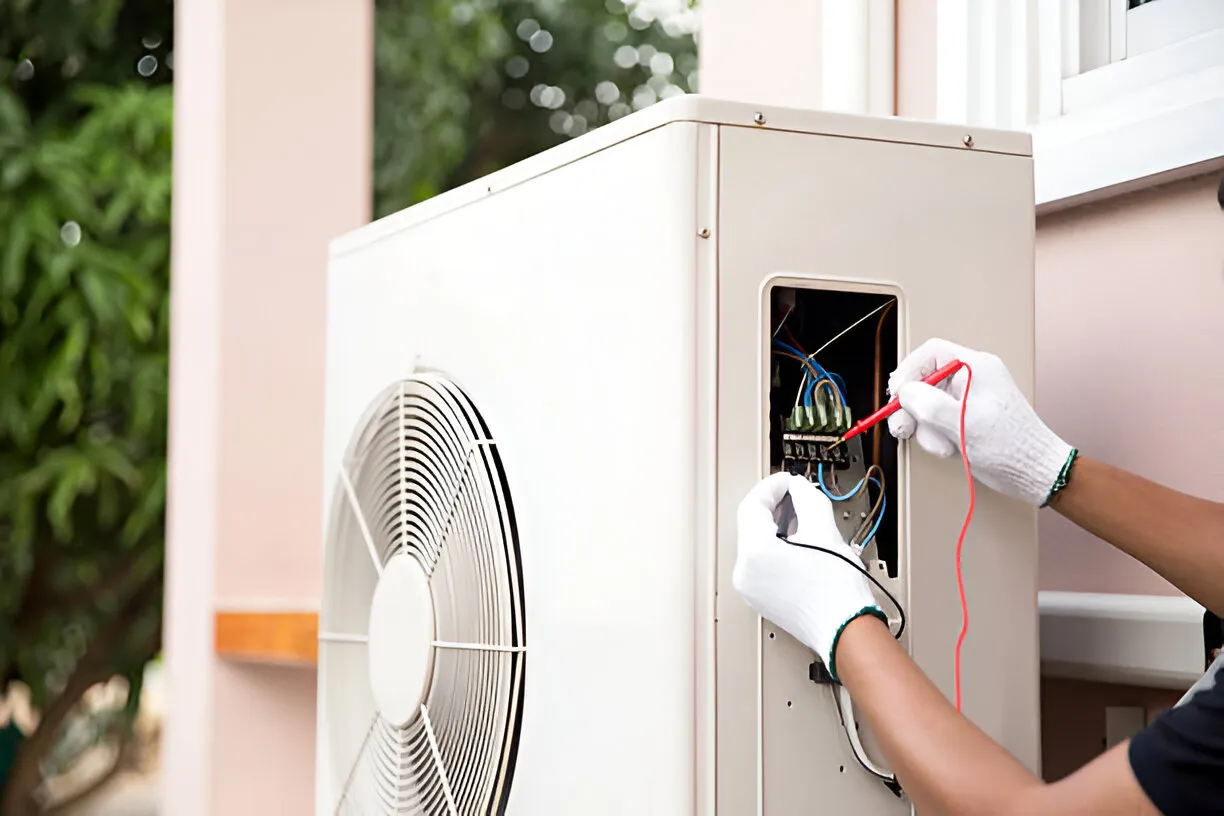
Why a thorough process matters in Franklinton homes
- Older homes in Franklinton often have aging ductwork, limited attic or crawlspace access, and tighter lot constraints that influence system choice and placement.
- Ohio’s heating degree-days and summer humidity mean heat pumps must be sized accurately to avoid short cycling in winter or inadequate dehumidification in summer.
- River-proximate and flood-prone areas can require elevated outdoor unit placement or other site-specific precautions.
Below are the common heat pump system types and typical issues that determine the right approach.
Common heat pump types and common issues in Franklinton
- Air-source heat pumps (standard and cold-climate models): Most common for retrofit and new installations; perform well when correctly sized. Common issues: undersized units, poor airflow, and incompatible older thermostats.
- Ductless mini-split systems: Ideal for homes without ductwork or for zoned additions. Common issues: poor indoor unit placement and inadequate condensate routing.
- Hybrid systems (heat pump + furnace): Useful when extreme cold requires backup gas electric heating. Common issues: improper sequencing between systems and control wiring errors.
- Ground-source (geothermal) systems: High efficiency but require more site access and upfront planning—less common in dense Franklinton lots.
Typical problems prompting replacement or a new installation include rising utility bills, noise from an aging compressor, frequent repairs, inconsistent temperatures between rooms, and inability to properly dehumidify in summer.
Initial consultation and load calculation
The process begins with an on-site consultation and a professional load calculation (Manual J or equivalent). That includes:
- Measuring home dimensions, insulation levels, window types, and orientation.
- Assessing existing heating/cooling equipment, ductwork condition, and airflow.
- Reviewing family comfort preferences, occupancy patterns, and any areas of persistent discomfort.
A proper load calculation determines the accurate capacity (size) and sometimes suggests zoning or supplemental systems. Oversizing is a common mistake; it increases short cycling, reduces dehumidification, and shortens equipment life.
System selection: matching type and size to your Franklinton home
Selection considers:
- Home size and layout: Open floor plans vs. compartmentalized homes affect zoning decisions.
- Ductwork condition: Good ductwork favors an air-source heat pump; poor ducts may point toward ductless solutions or duct repair/replacement.
- Site constraints: Placement options for outdoor units, noise considerations near neighboring properties, and potential flood elevation needs.
- Efficiency goals and budgets: Higher-efficiency models cost more upfront but deliver greater savings and may qualify for incentives.
Expect professionals to present options that balance comfort, efficiency, and long-term operating costs.
Site preparation, ductwork, and electrical considerations
- Site prep: Level and stable pad location for the outdoor unit, attention to airflow clearance, and elevation or flood-proofing where needed.
- Ductwork: Inspection for leaks, insulation level, proper sizing, and balanced airflow. Often includes recommendations for sealing, adding return pathways, or installing zoning dampers.
- Electrical: Assessing service capacity and circuit needs, ensuring proper disconnects, and verifying grounding and code-compliant wiring. Some installations require panel upgrades or dedicated breakers.
These pre-install repairs or upgrades are common in older Franklinton homes and are essential for safety and performance.
Step-by-step installation and commissioning
A typical installation sequence:
- Finalize equipment selection and obtain permits.
- Prepare the site: pads, condensate routing, refrigerant line runs, and electrical rough-in.
- Install outdoor unit and indoor air handler or indoor units for ductless systems.
- Connect refrigerant lines, drain lines, and electrical connections.
- Evacuate and charge the refrigerant system per manufacturer specifications.
- Restore and seal duct connections, install thermostats or controls, and configure zoning if applicable.
- Commissioning: system startup, calibration of controls, airflow measurements, and adjustments for balanced distribution.
- Final safety checks and documentation.
Professional commissioning includes measuring superheat/subcooling, verifying refrigerant charge, confirming electrical loads, and testing defrost cycles for cold-climate models.
Post-install testing and homeowner orientation
After commissioning, technicians perform:
- Performance verification under heating and cooling modes.
- Noise and vibration checks at the outdoor unit location.
- Thermostat and control walkthrough: programming schedules, explaining emergency heat or backup sequencing, and demonstrating app or remote access where available.
- Maintenance basics: filter replacement, outdoor unit clearance, and seasonal check-up schedules.
Homeowner orientation is tailored so you understand how to operate the system and what to expect seasonally.
Permit handling, timelines, and cost factors
- Permits: Installations require local building permits and inspections to ensure compliance with electrical and mechanical codes. In Franklinton this follows municipal building code procedures; your installer typically handles submission and scheduling with inspectors.
- Timelines: From initial consult and load calculation to final inspection, expect a multi-step timeline. Small retrofits can be completed in a few days once permits are issued; more complex jobs (duct replacement, electrical service upgrades, or multi-zone installs) may take several weeks from start to completion.
- Cost factors: Final cost depends on system type and efficiency, required site prep, ductwork and electrical work, and permit/inspection fees. Replacing or repairing ducts, adding zoning, or upgrading the electrical panel increases scope. Because costs vary widely, professionals usually provide itemized estimates after the initial assessment.
Available rebates, financing options, and warranty coverage
- Rebates and incentives: Many homeowners qualify for utility rebates, state or local incentives, and federal tax credits for high-efficiency heat pump equipment. Eligibility depends on equipment efficiency ratings and program rules; documentation from the installer is often required for rebate claims.
- Financing: Options commonly include energy-efficiency financing programs, low-interest loans, or installment plans offered through third parties. Financing availability and terms vary by program and credit criteria.
- Warranties: Typical coverage includes manufacturer warranties on compressors and coils and a workmanship warranty from the installer. Common arrangements include multi-year manufacturer parts warranties plus installer labor warranties; extended warranties or maintenance plans can provide additional protection. Keep all warranty documentation and service records to preserve coverage.
Long-term benefits and maintenance advice
A professionally sized and installed heat pump provides:
- Consistent year-round comfort with efficient heating and cooling.
- Improved humidity control and indoor air quality when combined with proper ventilation.
- Lower operating costs and potential reductions in carbon footprint.
Maintenance tips:
- Replace or clean filters per manufacturer guidance.
- Keep the outdoor unit clear of debris, vegetation, and snow build-up.
- Schedule annual or biannual professional tune-ups to check refrigerant, airflow, and electrical components.
- Address odd noises, persistent cycling, or uneven temperatures promptly to prevent larger failures.
A well-documented installation—including load calculations, permits, commissioning reports, and warranty papers—protects your investment and ensures predictable performance in Franklinton’s climate and housing conditions.
Hot Deals & Cool Savings

.webp)
New Service Agreement Membership
.webp)
Any New Client Service
Next Service for Referring a New Client
New Service Agreement Membership
Any New Client Service
Next Service for Referring a New Client
.webp)
.webp)

Service Areas
