
Heat Pump Replacement in Bexley, OH
Heat pump replacement in Bexley, OH: Learn when to replace, the installation process, rebates, financing, and expected energy savings. Schedule a consultation today.

Heat Pump Replacement in Bexley, OH
Replacing an aging or failing heat pump in Bexley, OH is a long-term investment in comfort, reliability, and lower energy bills. Homes in Bexley often combine older construction with modern living standards, and the local climate — humid summers and cold, sometimes prolonged winters — makes selecting the right heat pump and installing it correctly especially important.
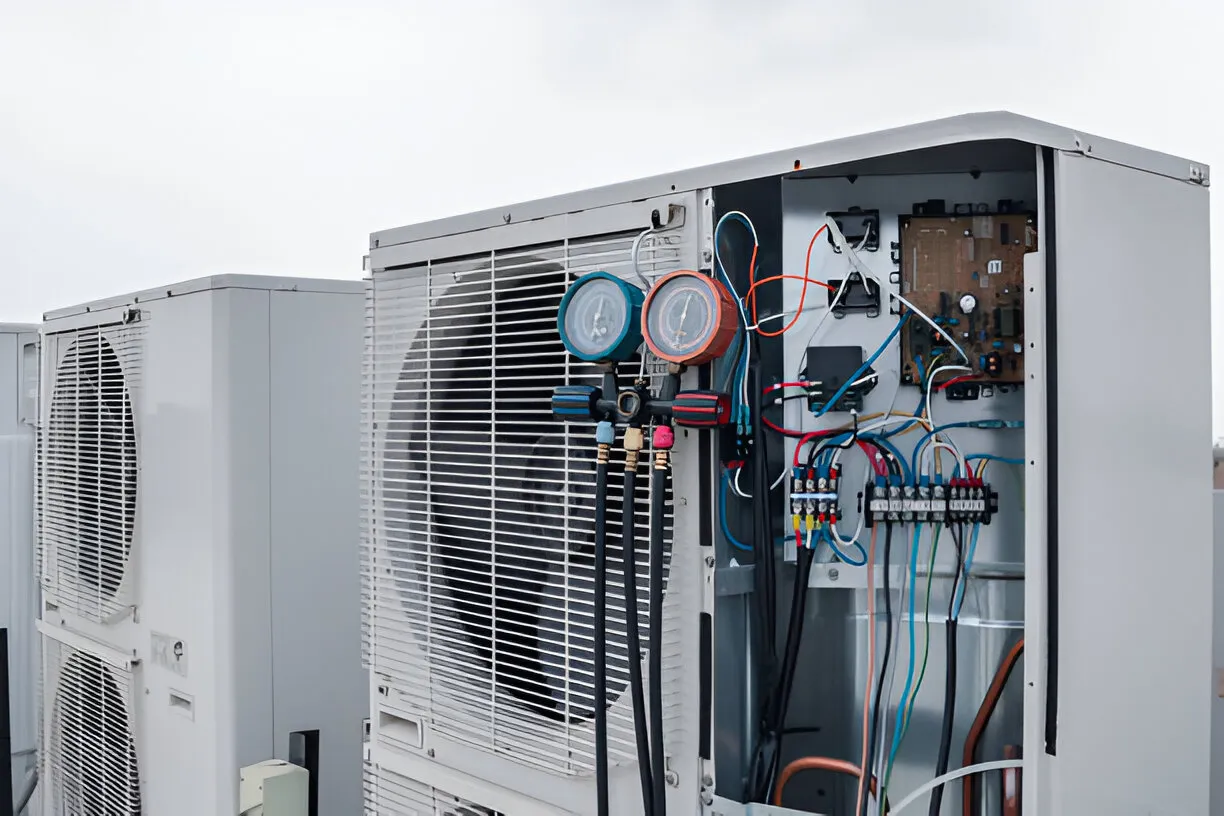
Why replace instead of repair (common triggers in Bexley)
- Age: Most air-source heat pumps last 10 to 15 years. Systems older than that often suffer declining efficiency and recurring failures.
- Refrigerant phaseout: Older units using phased-out refrigerants may be costly or impossible to recharge or repair.
- Frequent breakdowns: Repeated compressor or major component failures indicate imminent replacement is more economical.
- Rising energy bills: If efficiency has fallen and bills are increasing despite routine maintenance, a modern high-efficiency heat pump can reverse that trend.
- Comfort and zoning needs: Uneven heating or persistent humidity issues suggest a different system type (zoned ducted or ductless) may be better than patching the old unit.
- Ductwork condition: Extensive leaks, undersized ducts, or ductwork in poor condition often justify replacement paired with duct improvements.
Site assessment and load calculationA professional replacement begins with a thorough site assessment in your Bexley home:
- Manual J load calculation: Determines the precise heating and cooling load based on home size, insulation levels, window orientation, infiltration, and local climate data for Bexley. This prevents oversizing or undersizing.
- Manual S equipment selection: Matches capacity, efficiency, and operating characteristics of candidate heat pumps to the calculated load.
- Ductwork inspection (Manual D guidance): Evaluates leakage, sizing, and layout. Leaky or poorly sized ducts frequently reduce system efficiency more than the heat pump itself.
- Electrical panel and breaker evaluation: Verifies service capacity and whether upgrades are needed to support a modern heat pump (240V/30A+ circuits or multi-stage inverter systems).
- Site constraints: Checks outdoor unit location, clearances, noise considerations, and condensation/drainage pathways.
Selecting the right new heat pump for Bexley homes
- Types to consider:
- Air-source heat pumps (standard and cold-climate models): Well-suited to Bexley when correctly sized. Cold-climate models maintain efficiency at lower outdoor temperatures.
- Ductless mini-splits: Ideal for additions, historic homes with limited ducting, or to create zones with high efficiency.
- Geothermal (ground-source): Offers excellent efficiency year-round but requires more site work and higher upfront investment.
- Efficiency ratings and metrics:
- SEER2 (cooling) and HSPF2 or HSPF (heating) are primary performance measures. Higher numbers indicate better seasonal performance.
- COP (Coefficient of Performance) indicates efficiency at a specific outdoor temperature; cold-climate COPs matter for Ohio winters.
- Look for ENERGY STAR qualified options or models designed for cold climates.
- Sizing and features:
- Proper tonnage based on Manual J — avoid oversizing, which leads to short cycling and poor dehumidification.
- Variable-speed or multi-stage compressors improve comfort and efficiency, especially for Dayton/Columbus-area climate swings.
- Consider integrated controls, compatible thermostats, and zoning for maximum comfort and efficiency.
- Refrigerant: Modern systems use lower-GWP refrigerants; ensure technicians are certified to handle the chosen refrigerant type.
Replacement and installation process (practical outline)
- Pre-installation: Finalize equipment selection after load calculations. Secure permits required by Bexley/Franklin County jurisdictions.
- Removal: Certified technicians recover and properly reclaim refrigerant, disconnect electricals, and remove the outdoor condenser and indoor components per EPA requirements.
- Preparation: Replace or pad outdoor mounting, update line sets if needed, and repair or upgrade ductwork and electrical as identified in the assessment.
- Installation: Mount and connect the new outdoor unit and indoor coil or heads, run and evacuate refrigerant lines, charge the system to manufacturer specifications, and install controls/thermostats.
- Commissioning: Verify operating pressures, temperatures, airflows, and electrical parameters; execute performance testing under typical conditions.
- Inspections and paperwork: Arrange municipal inspections, sign off permits, and provide manufacturer registration documents needed for warranties and rebates.
- Refrigerant handling and disposal: Technicians must follow EPA 608 standards for refrigerant reclamation and recordkeeping.
Permitting and local considerationsBexley and Franklin County have standard HVAC permitting and inspection requirements. Permits are typically required for equipment replacement that impacts refrigerant handling, gas/electrical connections, or structural modifications. Allow time for permit review and inspections when planning the project timeline.
Rebates, tax incentives, and financing options
- Federal and state incentives: High-efficiency heat pumps may qualify for federal energy tax credits and state-level incentives. Eligibility often requires specific efficiency thresholds and proper documentation.
- Utility rebates: Local utilities serving Bexley homeowners may offer rebates for qualifying systems or for duct sealing/air sealing work completed with the replacement.
- Financing: Options include manufacturer financing, contractor-led payment plans, energy-efficient mortgage programs, or local PACE financing where available. Approval criteria and program availability vary; documentation of equipment specs and installer credentials is usually required.
Expected timeline and cost drivers
- Typical timeline:
- Site assessment and proposal: 1 to 7 days depending on scheduling.
- Permitting and approvals: A few days to a few weeks depending on local workload.
- Removal and installation: Most residential replacements take 1 to 3 days for straightforward swaps; complex jobs (ductwork, electrical upgrades, or geothermal installs) take longer.
- Final inspections and commissioning: Often completed within a few days after installation.
- Cost drivers (without quoting amounts):
- Equipment type and efficiency level
- System capacity and zoning complexity
- Need for ductwork repair or replacement
- Electrical panel or circuit upgrades
- Site access, pad work, or condenser placement challenges
- Permitting and inspection feesAvoiding surprises means getting a comprehensive, itemized estimate that lists each of these factors.
Warranty, registration, and maintenance
- Manufacturer warranties typically cover compressors and major components for defined periods; parts warranties vary by model.
- Labor warranties from installers differ; check terms for duration and what's included.
- Many warranties require timely registration and proof of annual maintenance. Regular preventive maintenance preserves efficiency and warranty eligibility.
Disposal of old equipment
- Proper disposal includes refrigerant recovery and recycling, separation and recycling of metals, and safe handling of oils and capacitors. Certified recyclers should provide a disposal certificate or note this on the invoice.
Expected energy savings after replacement
- Actual savings depend on the baseline system: replacing an old, inefficient heat pump or electric resistance heating with a modern heat pump can yield significant reductions in seasonal energy use. In Bexley’s mixed climate, a correctly selected cold-climate or high-efficiency heat pump can lower heating-related fossil fuel usage and reduce overall energy bills, while improving year-round comfort and humidity control.
- Real-world results depend on factors such as home envelope improvements (insulation and air sealing), duct integrity, thermostat settings, and occupant behavior.
Hot Deals & Cool Savings

.webp)
New Service Agreement Membership
.webp)
Any New Client Service
Next Service for Referring a New Client
New Service Agreement Membership
Any New Client Service
Next Service for Referring a New Client
.webp)
.webp)

Service Areas
