
Heat Pump Installation in Bexley, OH
Heat pump installation in Bexley, OH. Get expert sizing, precise installation, and post-install support for year-round comfort—schedule your consultation today.

Heat Pump Installation in Bexley, OH
Installing a heat pump is one of the most effective upgrades you can make for year-round comfort and energy efficiency in Bexley, OH. With cold winters and humid summers in the Columbus area, the right heat pump handles heating, cooling, and dehumidification while lowering operating costs compared with older electric resistance or aging HVAC systems.
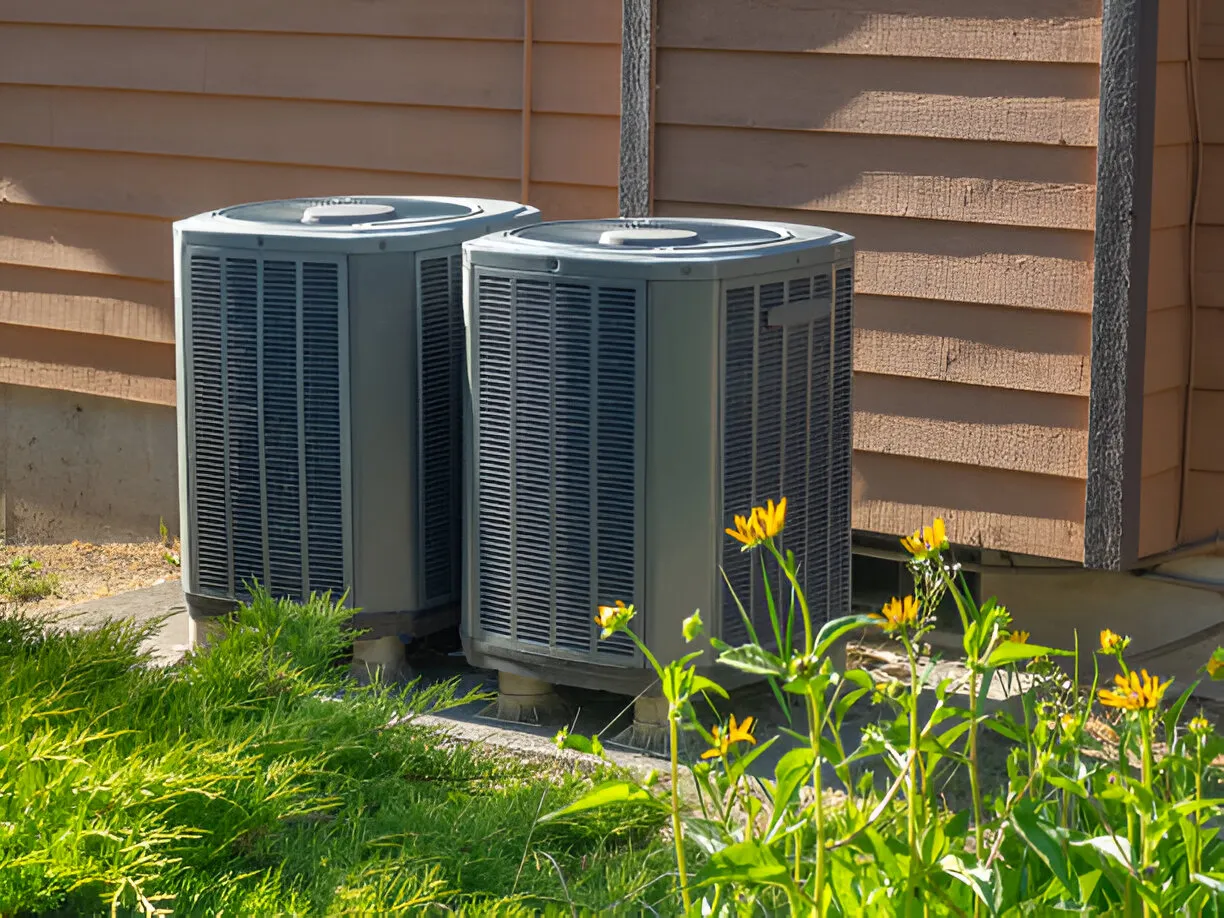
Why a heat pump makes sense in Bexley, OH
- Bexley sees both freezing winter temperatures and muggy summer conditions, so a heat pump that provides efficient heating and cooling is a practical choice.
- Many homes in Bexley are older or have limited attic and crawlspace access, making ductless or hybrid solutions a strong option.
- Modern heat pumps perform well in cold climates and can reduce energy use when sized and installed correctly.
Initial consultation and home/site assessment
The process begins with an on-site consultation to document your home, comfort goals, and existing systems. Key assessment tasks include:
- Visual inspection of the building envelope, attic, crawlspaces, and mechanical room.
- Evaluation of existing ductwork condition, layout, and insulation levels.
- Identification of preferred equipment locations for outdoor unit, indoor units, or ground loops in case of geothermal options.
- Discussion of lifestyle factors such as schedules, preferred thermostat control, and hot water needs if integrated systems are considered.
This assessment informs the load calculation and system selection so the final recommendation fits your Bexley property, not just a rule of thumb.
Load calculations and system selection advice
Accurate sizing is critical. Technicians perform a heating and cooling load calculation to determine capacity needs based on insulation, window areas, orientation, air infiltration, and occupancy. Key selection points:
- Choose capacity based on calculated load, not on the size of your old furnace or AC.
- Compare air-source versus ground-source (geothermal) heat pumps: air-source has lower installation impact and faster payback; ground-source can be more efficient long-term but requires excavation.
- Look at efficiency ratings (SEER for cooling, HSPF or HSPF2 for heating) and low-temperature performance for the colder months.
- Consider multi-zone ductless systems for older or historic Bexley homes where ductwork is impractical.
Ductwork or ductless options
- Ducted systems: best when existing ducts are in good condition. May require duct sealing, insulation, or reconfiguration to achieve balanced airflow.
- Ductless mini-split systems: ideal for homes without ductwork. Offer room-level zoning and less invasive installation.
- Hybrid solutions: combine ducted central units with ductless zones for additions or specific problem areas.
Step-by-step installation tasks
A professional installation typically follows these phases:
- Final equipment selection and permit application.
- Site preparation: clear work areas, protect flooring, and stage equipment.
- Outdoor unit placement: install pad or bracket and ensure proper clearance and drainage.
- Indoor unit installation or ductwork modifications: mount air handler or indoor heads, run refrigerant lines and condensate drain.
- Electrical work: connect disconnects, breakers, and properly sized wiring to the unit.
- Refrigerant handling and system evacuation: pull vacuum and charge system to specification.
- Controls and thermostat setup: integrate zoning and smart controls as specified.
- System commissioning: test performance, measure airflow and temperature split, and make balancing adjustments.
- Final walkthrough and documentation of settings and warranties.
Timeline note: typical replacement or ductless installations are often completed in 1 to 3 days once permits and scheduling are in place. Ground-source installations require additional time for loop field work and can span several weeks.
Permit, code compliance, and certifications
All installations must meet local building and electrical codes. In Bexley, this means:
- Obtaining required local permits and scheduling inspections as part of the installation timeline.
- Ensuring refrigerant-handling is performed by certified technicians using approved refrigerants and recovery equipment.
- Complying with local setback, noise, and condenser placement requirements.Proper documentation and inspection sign-offs protect your home and preserve manufacturer warranty eligibility.
System commissioning and testing
Commissioning validates performance and includes:
- Leak and pressure checks, vacuum testing, and correct refrigerant charge.
- Airflow measurements, duct leakage testing if applicable, and balancing supply/return flow.
- Electrical verification under load and safety control testing.
- Demonstration of thermostat programming, zoning, and emergency operation to the homeowner.A thorough commissioning process is essential for efficient operation and long equipment life.
Warranty and post-install support
- Manufacturer warranties cover parts and compressors; installer warranties cover workmanship and local code compliance.
- Register warranties as required and keep installation documentation for future service or warranty claims.
- Post-install support typically includes startup checks, recommended maintenance intervals, and troubleshooting guidance. Regular maintenance preserves efficiency and reduces risk of costly repairs.
Common installation issues and how they are resolved
- Undersizing or oversizing: fixed by accurate load calculation and selecting models that match the home profile.
- Poor airflow or uneven temperatures: solved with duct sealing, insulation upgrades, or additional zoning.
- Short cycling: addressed by verifying correct refrigerant charge, proper thermostat placement, and correct system sizing.
- Noise or vibration: mitigated by proper outdoor unit placement, anti-vibration mounts, and ensuring clearances.
Maximizing system efficiency in Bexley homes
- Improve insulation and air sealing to reduce load and run times during Bexley winters.
- Use programmable or smart thermostats to match heating and cooling to occupancy patterns.
- Implement zoning where practical to heat or cool only occupied areas.
- Maintain clear airflow around outdoor units and trim vegetation that blocks airflow during summer months.
- Schedule professional maintenance at least annually for seasonal checks and refrigerant verification.
- Address humidity control separately if needed; many heat pumps include effective dehumidification, but older homes with high indoor moisture may require supplemental solutions.
Benefits you should expect after installation
A properly selected and installed heat pump delivers even comfort through Bexley winters and summers, improved indoor air quality, quieter operation, and better energy efficiency compared with many older systems. With correct sizing, code-compliant installation, and routine maintenance, a heat pump can provide reliable, year-round performance and long-term savings while fitting the specific needs of homes in Bexley, OH.
Hot Deals & Cool Savings

.webp)
New Service Agreement Membership
.webp)
Any New Client Service
Next Service for Referring a New Client
New Service Agreement Membership
Any New Client Service
Next Service for Referring a New Client
.webp)
.webp)
Service Areas