
Heat Pump Repair in Lewis Center, OH
Heat pump repair in Lewis Center, OH: fast diagnostics, reliable fixes, and tips to extend life. Schedule repair today for comfort.

Heat Pump Repair in Lewis Center, OH
Keeping a heat pump running reliably in Lewis Center homes means addressing both heating and cooling needs throughout large seasonal swings. Local winters can drop temperatures below freezing while summers are humid and hot. Those conditions put extra stress on outdoor units, reversing valves, compressors, and defrost systems.
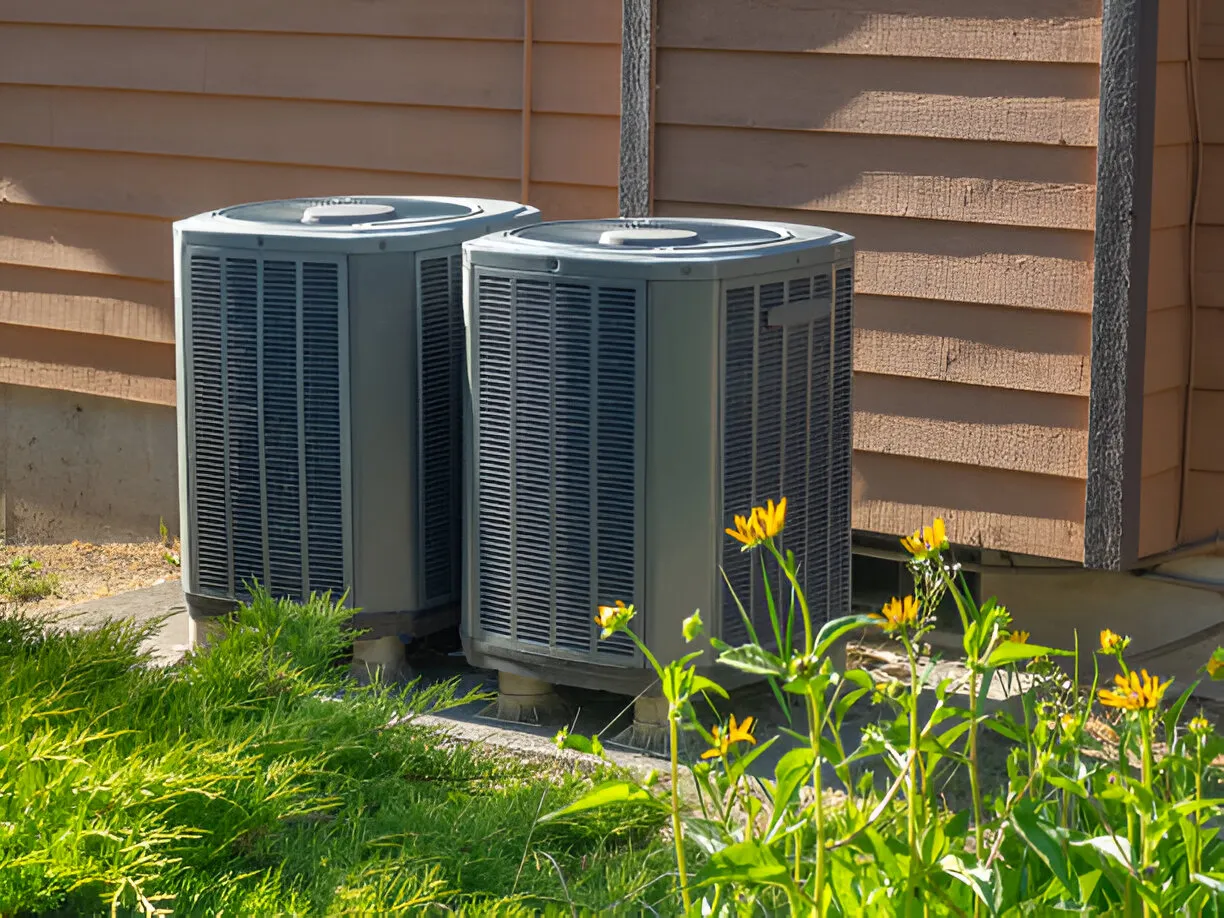
Why timely heat pump repair matters in Lewis Center
Lewis Center experiences cold winters that push heat pumps into extended heating cycles and humid summers that demand sustained cooling. Left unaddressed, minor issues become major failures that reduce comfort, raise energy bills, and risk compressor damage. Prompt diagnosis and repair restore performance, improve efficiency, and protect the system against corrosion from freeze thaw cycles, road salt, and seasonal debris.
Common heat pump symptoms in Lewis Center homes
If your heat pump shows any of these signs, it likely needs professional attention:
- No heating or cooling at all, or weak airflow and inadequate temperature change.
- Short cycling where the system turns on and off frequently.
- Unusual noises such as grinding, banging, hissing, or loud rattling from the outdoor unit.
- Ice buildup on the outdoor coil during heating cycles beyond a normal defrost period.
- Higher than normal electric bills without a change in usage.
- Erratic thermostat behavior or a heat pump that runs but does not follow setpoint changes.
- Water leaks or moisture near indoor components indicating a clogged drain or frozen coil.
Diagnostic procedures technicians use
A thorough diagnostic separates simple fixes from major repairs. Typical steps include:
- Verify homeowner observations and reproduce the symptom while noting indoor and outdoor operating behavior.
- Check thermostat configuration, setpoints, and wiring continuity.
- Inspect power supply, breakers, disconnects, and control board voltages.
- Measure refrigerant pressures and temperatures to detect leaks or incorrect charge.
- Evaluate airflow: filters, blower motor operation, duct obstructions, and return vents.
- Inspect outdoor unit components visually: fan motor, capacitor, contractor, reversing valve, compressor, and coil condition.
- Run live system tests to observe defrost cycles, reversing valve switching, and compressor run characteristics.
- Provide a concise findings report with required repairs and estimated timeline.
Diagnostics typically take 30 to 90 minutes depending on symptoms and access.
Typical repair solutions and common parts replaced
Repairs are prioritized to restore safe, efficient operation while minimizing disruption. Frequently replaced components include:
- Compressors — replaced when internal failure, loss of lubrication, or major mechanical damage is present.
- Reversing valves — common source of heating to cooling switching problems.
- Thermostats and control modules — for communication failures or erratic cycling.
- Fan motors and capacitors — address noisy operation, weak airflow, or no outdoor fan movement.
- Expansion devices and metering components — to correct charge and superheat issues.
- Contactors and relays — replace worn electrical switching parts causing intermittent operation.
- Defrost controls and sensors — for persistent icing issues in cold weather.
Repairs follow industry best practices: replacing failed components, pressure testing and evacuating lines after any refrigerant work, and recharging to manufacturer specifications where required.
Estimated timelines for common repairs
- Simple electrical or thermostat fixes: often completed the same day after diagnosis.
- Fan motor, capacitor, or contactor replacement: typically same day if parts are in stock.
- Reversing valve replacement or substantial refrigerant repairs: usually 1 day onsite, but may require additional time for ordering specific parts.
- Compressor replacement or major outdoor unit repair: may require 1 to 3 days depending on part availability and whether refrigerant recovery and evacuation are needed.
- Complex refrigerant leak repair: can extend timeline if locating and repairing concealed leaks is required.
Timing depends on parts availability, extent of damage, and seasonal demand. In colder months parts lead times can increase due to higher service volumes.
Emergency and priority repair considerations
Heat pumps failing in extreme cold can quickly reduce household comfort and risk frozen pipes. Emergency repair options often include priority dispatch for after hours or same day service, temporary heating workarounds, and safety checks to prevent further damage. A professional technician can evaluate whether a temporary fix is safe until full repairs or parts replacement can be completed.
Warranty and parts information
- Many replacement parts carry manufacturer warranties for a defined period. Warranty coverage depends on the part manufacturer and the original equipment.
- Labor warranties vary by service provider, so confirm duration and scope before repairs begin if warranty terms are important.
- For repairs involving refrigerant, industry rules require certified handling and recovery. Technicians document serial numbers, model numbers, and service performed to support warranty claims and future maintenance.
Homeowner troubleshooting tips before service arrives
These simple checks can save time and reveal easy fixes:
- Verify the thermostat is set to heat or cool and the fan is on auto or on as desired.
- Confirm circuit breakers and outdoor disconnects are on.
- Replace or clean the indoor air filter if dirty. Restricted airflow can mimic mechanical failures.
- Clear debris, snow, and ice from the outdoor unit and ensure 2 feet of clearance around it.
- Listen for unusual noises and note when problems occur to give the technician useful clues.
- Avoid attempting refrigerant repairs or opening sealed components. These require certified technicians.
Preventive maintenance recommendations
Regular maintenance reduces repair needs and extends equipment life:
- Arrange seasonal tune ups before winter and summer to verify refrigerant charge, electrical integrity, and defrost function.
- Replace filters every 1 to 3 months depending on use and indoor air quality.
- Keep outdoor coils clean from pollen, leaves, and debris common in the Lewis Center area.
- Maintain proper airflow by keeping returns and supply vents unblocked and by sealing major duct leaks.
Final notes on benefits of timely repair
Repairing heat pump issues promptly restores comfort, reduces energy waste, prevents secondary damage, and helps avoid costly emergency component replacements. In Lewis Center where seasonal extremes are common, addressing symptoms early protects performance across both heating and cooling seasons and helps ensure predictable, efficient operation when your system is needed most.
Hot Deals & Cool Savings

.webp)
New Service Agreement Membership
.webp)
Any New Client Service
Next Service for Referring a New Client
New Service Agreement Membership
Any New Client Service
Next Service for Referring a New Client
.webp)
.webp)

Service Areas
