
Heat Pump Installation in Lewis Center, OH
Heat pump installation in Lewis Center, OH delivers year-round comfort, energy efficiency, and reliable performance. Learn more today.

Heat Pump Installation in Lewis Center, OH
Upgrading to a heat pump is one of the most effective ways to improve year-round comfort and reduce energy use in Lewis Center, OH homes. Whether you are replacing an aging furnace or adding a ductless system to a finished room, professional heat pump installation starts with a thorough site assessment and ends with verified performance — not just a box on the wall.
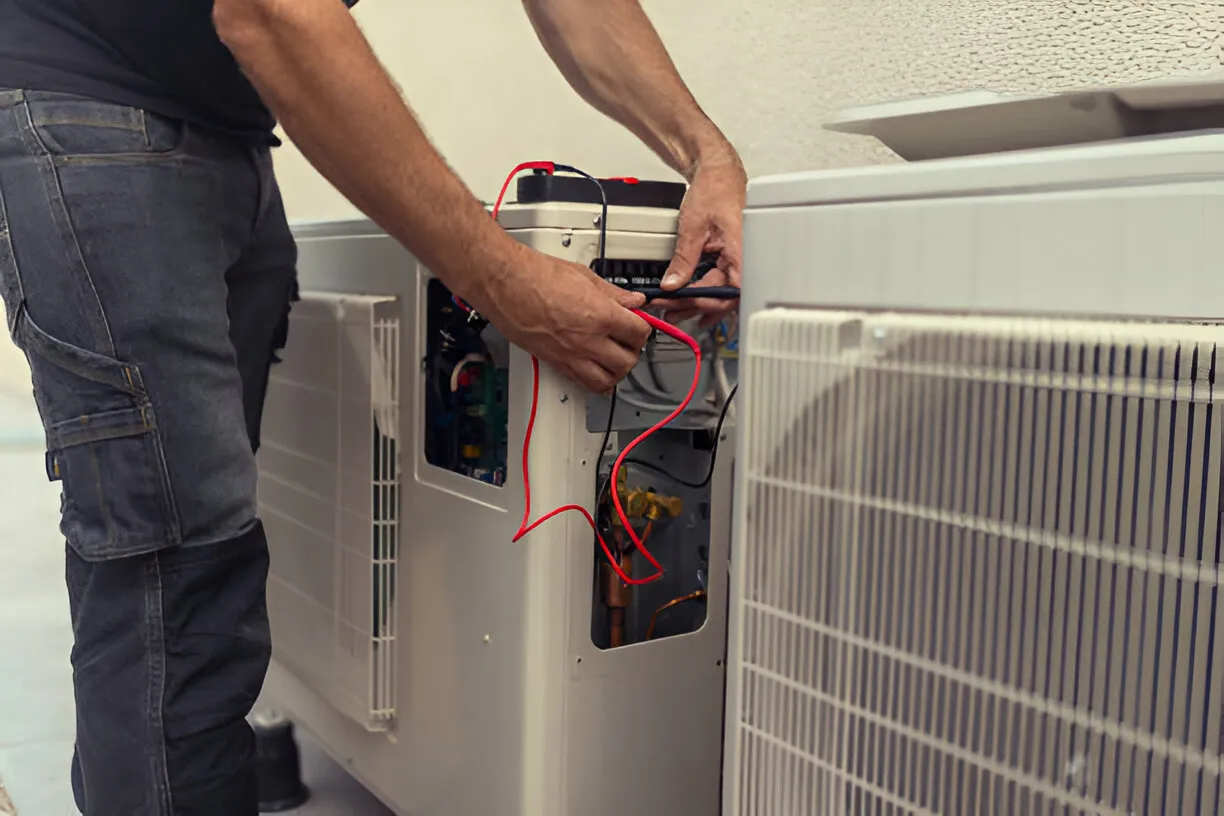
Why a professional install matters in Lewis Center, OH
Lewis Center sits in central Ohio where humid, hot summers and cold winters both influence system performance. A correctly sized and installed heat pump provides efficient cooling in summer and reliable heating in winter, but poor sizing, incorrect refrigerant charge, or mismatched equipment can reduce comfort and increase operating costs. A professional installation minimizes those risks by matching equipment to your home, complying with local codes and permits, and validating performance under real operating conditions.
Common heat pump installation types and issues in Lewis Center, OH
- Ducted heat pumps (air-source with air handler): Best for homes with existing ductwork. Common issues: undersized ducts, leaky registers, and poor airflow that reduce efficiency.
- Ductless mini-splits: Ideal for additions, finished basements, or homes without ducts. Common issues: improper indoor unit placement and undersized outdoor compressors leading to short-cycling.
- Hybrid systems: Heat pump paired with a gas furnace for very cold periods. Common issues: improper controls or sequence-of-operation setup.
- Geothermal (ground-source) systems: Highly efficient but require larger site work and specialized installation considerations. Common issues: incorrect loop design or insufficient site assessment.
Site assessment and load calculation
A professional installation begins with a detailed site assessment and a heat load calculation. This includes:
- Inspecting insulation levels, window types, orientation, and air leakage.
- Measuring conditioned square footage and room-by-room heat gains and losses.
- Evaluating existing ductwork condition (if present) and identifying places needing modification.
- Considering local climate factors (cold snaps, humidity) and your comfort preferences.
The load calculation determines the correct equipment capacity. Oversizing can cause short-cycling and uneven comfort; undersizing leaves you short on the coldest or hottest days. A proper calculation ensures balanced performance year-round in Lewis Center’s climate.
Equipment selection: ducted vs ductless
- Ducted systems are a strong choice if your home has a well-sealed duct network. They deliver whole-house comfort and integrate with existing thermostats.
- Ductless mini-splits allow room-level control and avoid costly ductwork upgrades. They are particularly useful for older Lewis Center homes or additions where extending ducts is impractical.
Selection takes into account efficiency ratings, sound levels, refrigerant type, and controls compatibility.
Permits and code compliance
Heat pump installation must meet local building and electrical codes. In Lewis Center (Delaware County area), typical permit steps include:
- Submitting an electrical and mechanical permit application.
- Ensuring wiring, breaker size, and disconnects meet code.
- Verifying refrigerant handling is performed by certified technicians.A professional installer handles permit submittals and coordinates inspections so the installation is compliant and safe.
Step-by-step installation process
- Pre-installation planning: finalize equipment, confirm electrical service capacity, and schedule permit inspections.
- Site preparation: clear the install area, prepare a level pad or mounting rack for the outdoor unit, and determine indoor unit locations.
- Remove existing equipment (if applicable): safely disconnect and remove old units and recover refrigerant per regulations.
- Install indoor components: mount air handler or wall/ceiling indoor units, connect condensate drains, and make any necessary duct modifications.
- Install outdoor unit: position on pad or rack, secure, and run refrigerant lines and electrical conduit.
- Connect controls and wiring: integrate thermostats or zone controllers and verify communication between indoor and outdoor units.
- Evacuation and refrigerant charging: vacuum the refrigerant lines to remove moisture and air, then charge to manufacturer specifications.
- Commissioning and performance testing (see next section).
Commissioning and performance verification
Commissioning confirms the system performs to expectations:
- Verify correct refrigerant charge, pressures, and temperature splits.
- Measure airflow and room temperature changes during heating and cooling cycles.
- Confirm proper operation of safety devices, defrost cycles, and reverse-cycle controls.
- Check electrical load, startup amps, and proper breaker sizing.
- Run system through both heating and cooling modes and verify noise and vibration levels meet specifications.
A detailed commissioning report documents the results and any adjustments made. This step ensures reliable performance through Lewis Center seasonal extremes.
Timeline and what influences cost
Typical timelines vary by installation type:
- Ductless mini-split installs often complete in one day for single-zone setups; multi-zone installs can take two to three days.
- Ducted replacements or installs that require ductwork modifications usually take several days to a week.
Factors that influence timeline and overall cost include site access, need for electrical panel upgrades, duct repairs or installation, complexity of refrigerant line runs, and permitting or inspection scheduling. Discuss these variables during the assessment so expectations are clear.
Post-installation support, warranties, and maintenance plans
After installation, reliable post-installation support includes:
- Manufacturer warranty coverage on compressor and major components and installer-provided workmanship warranties.
- A handoff that reviews system operation, thermostat programming, maintenance needs, and seasonal considerations for Lewis Center weather.
- Available maintenance plans that include annual inspections, coil cleaning, refrigerant leak checks, airflow checks, and filter guidance. Regular maintenance preserves efficiency and can extend equipment life, especially through humid Ohio summers and cold winters.
Benefits and long-term considerations for Lewis Center homeowners
A properly installed heat pump delivers:
- Year-round comfort with both efficient cooling and heating.
- Lower operating costs compared with older electric resistance heating and many older HVAC systems when sized and commissioned correctly.
- Flexible options for homes without ducts via ductless systems.
- Reduced environmental impact through high efficiency performance.
Long-term, prioritize scheduled maintenance, keep outdoor units clear of debris and vegetation, and monitor system performance for changes in runtime or comfort levels. These practices protect your investment and ensure the heat pump operates effectively in Lewis Center’s climate for years to come.
If you are evaluating replacement or new heat pump options in Lewis Center, OH, focus on accurate load sizing, local code-compliant installation, thorough commissioning, and ongoing maintenance to get consistent comfort and optimal efficiency.
Hot Deals & Cool Savings

.webp)
New Service Agreement Membership
.webp)
Any New Client Service
Next Service for Referring a New Client
New Service Agreement Membership
Any New Client Service
Next Service for Referring a New Client
.webp)
.webp)

Service Areas
