
Heat Pump Repair in Downtown Columbus, OH
Heat pump repair in Downtown Columbus, OH - fast diagnostics, durable fixes, and reliable comfort. Schedule repair today for seasonal comfort and energy savings.

Heat Pump Repair in Downtown Columbus, OH
When your heat pump stops heating or cooling reliably, it affects comfort, indoor air quality, and energy bills fast. In Downtown Columbus, OH, where cold winters, humid summers, and a mix of older brick buildings and modern condos present unique demands on HVAC systems, professional heat pump repair in Downtown Columbus, OH focuses on fast, accurate diagnostics and durable repairs that restore comfort and efficiency.
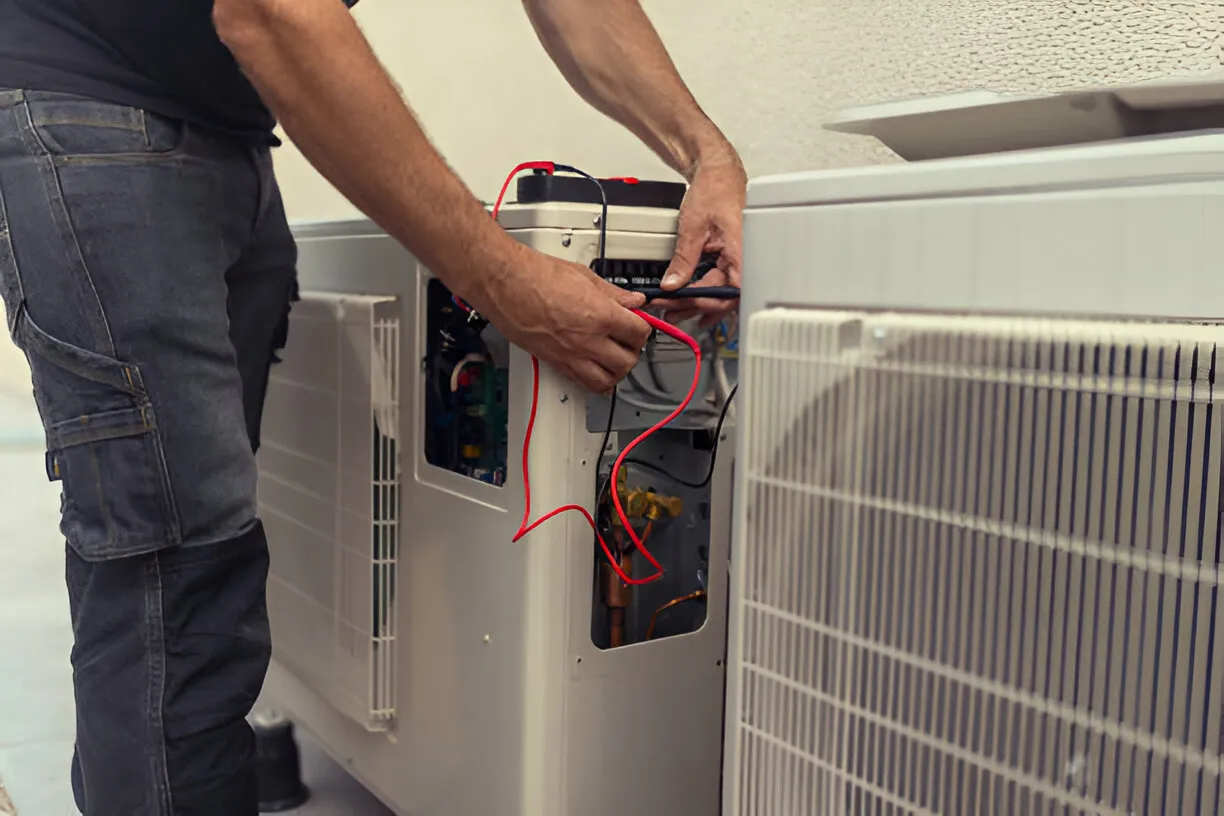
Why heat pump repair matters in Downtown Columbus
Downtown homes and multi-family buildings face seasonal extremes: below-freezing temperatures in winter and muggy, high-humidity summers. These conditions increase load on compressors and refrigerant circuits and can reveal electrical or component weaknesses. Urban installations also contend with tight equipment spaces and sometimes limited outdoor unit clearance, making correct diagnosis and precise repairs especially important.
Common heat pump failure modes in Downtown Columbus
Understanding typical problems helps homeowners and property managers make informed decisions. Common heat pump issues in Downtown Columbus, OH include:
- Compressor failure: Signs include weak airflow, strange noises, or the unit cycling frequently. Compressors wear out from age, electrical stress, or running with low refrigerant.
- Reversing valve malfunction: If the unit cannot switch from heating to cooling (or vice versa), the reversing valve or its actuator may be failing.
- Refrigerant leaks: Low refrigerant causes long run times and poor temperature control. Leaks are more likely in older systems or units with prior mechanical damage.
- Electrical faults and controls: Failed capacitors, contactors, relays, or control board problems can cause no-start conditions, short cycling, or erratic operation.
- Fan motor and blower issues: Worn bearings, belts, or motor failures reduce airflow and system efficiency.
- Defrost and outdoor coil problems: In cold months, stuck defrost cycles or iced coils reduce heating performance.
- Duct and airflow obstructions: In downtown condos and retrofits, duct restrictions, poor registers, or dirty coils amplify problems.
Diagnostic process — how problems are identified
A structured diagnostic approach isolates root causes so repairs fix the problem, not just symptoms:
- System history and symptom review: Note when issues started, recent weather events, and any unusual noises or smells.
- Visual inspection: Check outdoor unit clearance, signs of oil (refrigerant leak indicator), burned components, and ice buildup.
- Electrical testing: Measure voltages and currents, test capacitors and contactors, and check control signals.
- Refrigerant and pressure check: Determine charge status and check for pressure imbalances that point to leaks or compressor problems.
- Performance testing: Measure temperature splits, airflow, and runtime behavior in both heating and cooling modes.
- Component-level diagnosis: Test reversing valve function, defrost controls, and sensors to pinpoint failures.
This methodical process reduces repeat visits and ensures repairs are accurate for the specific building and system type common in Downtown Columbus.
Typical repair procedures and parts replacement
Once the diagnosis is complete, common repair procedures include:
- Compressor replacement or repair: Performed when compressors fail mechanically or electrically; includes evacuating the system and replacing the compressor and necessary components.
- Reversing valve repair or replacement: Replace valve or solenoid assemblies and test mode-switching under load.
- Refrigerant leak repair and recharge: Locate and repair leak points ( brazing or replacing damaged lines), evacuate and recharge the correct refrigerant, and perform leak testing.
- Electrical repairs: Replace capacitors, contactors, relays, transformers, or control boards; tighten connections and protect against future corrosion.
- Fan and blower service: Replace motors, belts, or fan blades and clean condensers and evaporator coils to restore airflow.
- Defrost and sensor fixes: Replace defrost control boards, sensors, or heaters and validate defrost cycles.
- Ductwork and airflow adjustments: Repair or re-balance ducts, clean filters and coils, and confirm proper airflow through registers.
Parts commonly used in Downtown Columbus repairs include compressors, reversing valves, filter driers, expansion devices, fan motors, capacitors, relays, and control modules. Proper replacement includes testing and performance verification in typical seasonal conditions.
Emergency and rapid-response options
Heat pump failures often need immediate attention during cold snaps or heat waves. Rapid-response service typically includes:
- Priority diagnostic visits to rapidly identify critical failures
- Temporary measures to restore safe operation (e.g., bypassing failed components for short-term heating)
- Overnight or same-day parts sourcing when available
- Winterization checks to prevent freeze damage during emergency repairs
In Downtown Columbus, emergency responses also consider building access rules, parking/loading constraints, and any required building permits or management approvals for rooftop or shared-equipment work.
Warranty, service guarantees, and expectations
Professional repairs should come with clear warranty terms that protect parts and labor. Typical guarantees include:
- Parts warranty: Manufacturer-backed coverage on replaced components for a specified period.
- Labor warranty: A defined period during which labor for the same repair is covered.
- Workmanship assurance: Confirmation that diagnostics were thorough and the root cause was addressed, reducing repeat failures.
Ask for written documentation of warranties and which items are covered (parts, labor, travel). For installations in historic or multi-unit downtown buildings, ensure warranties account for building-specific constraints and authorization procedures.
When replacement is recommended instead of repair
Replacement becomes advisable when:
- The heat pump is near or beyond its typical service life (often 12–15 years depending on maintenance and model)
- Recurring major failures occur (compressor, refrigerant circuit, repeated control board or reversing valve failures)
- The system uses obsolete refrigerant that is being phased out, making repairs costly or unsustainable
- Energy performance is poor and a modern system would significantly reduce operating costs and improve comfort
- Repair costs approach or exceed the expected remaining value and life of the system
In Downtown Columbus, upgrading can also improve performance in tight mechanical rooms and offer quieter, more compact options suited to condo and urban installations.
Maintenance and long-term benefits of timely repair
Prompt repairs and seasonal maintenance extend equipment life, reduce energy use, and prevent emergency failures. Recommended practices for Downtown Columbus homes include regular filter changes, annual pre-season inspections, coil cleaning, and monitoring for unusual noises or cycling. Timely attention preserves indoor comfort through cold winters and humid summers and can avoid expensive consequences like compressor burnout or refrigerant loss.
Timely, expert heat pump repair in Downtown Columbus, OH delivers restored comfort, improved efficiency, and predictable system performance tailored to the local climate and building types common downtown. Proper diagnostics and quality workmanship reduce downtime and protect the investment in your heating and cooling system.
Hot Deals & Cool Savings

.webp)
New Service Agreement Membership
.webp)
Any New Client Service
Next Service for Referring a New Client
New Service Agreement Membership
Any New Client Service
Next Service for Referring a New Client
.webp)
.webp)

Service Areas
