
Boiler Replacement in Obetz, OH
Boiler replacement in Obetz, OH delivers safe, efficient heating; learn sizing, timelines, financing, and warranties for a worry-free installation.

Boiler Replacement in Obetz, OH
Replacing a boiler is a major decision for Obetz homeowners. With cold Ohio winters and occasional deep freezes, a reliable, properly sized boiler keeps your home safe, warm, and energy efficient.
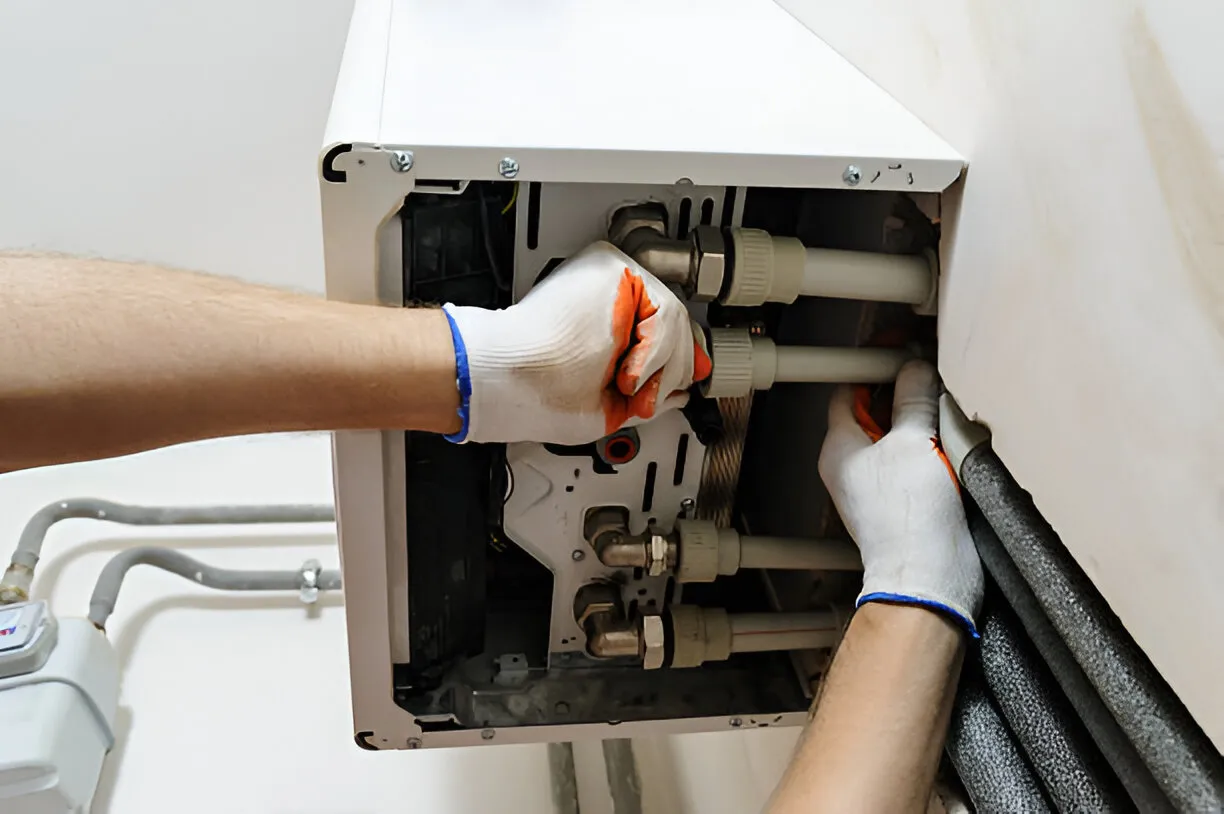
When to replace versus repair
Deciding between repair and replacement hinges on safety, cost-effectiveness, efficiency, and remaining service life.
- Age and expected life: Many boilers approach end of useful life at 15 to 25 years depending on maintenance and type. Older units lose efficiency and parts become harder to source.
- Frequency and cost of repairs: Repeated breakdowns or costly repairs (a high repair cost relative to replacement value) usually favor replacement.
- Safety issues: Cracked heat exchangers, persistent combustion problems, or unsafe venting require immediate action and often justify replacement.
- Efficiency and fuel type: If your current boiler is non-condensing and you want to lower fuel use, a modern condensing boiler can reduce energy use significantly in Obetz’s heating climate.
- System compatibility: Upgrading to a new boiler may be necessary if you plan zone control, convert fuel types, or pair with a high-efficiency indirect water heater.
Evaluation and system sizing process
A thorough evaluation ensures the new boiler matches your home’s real needs rather than relying on the old unit’s size.
- Initial inspection
- Review existing boiler condition, age, fuel type, and distribution system (radiators, baseboards, in-floor hydronics).
- Check water quality, piping condition, zone controls, and combustion air/venting.
2. Heat loss calculation
- Perform a room-by-room heat loss calculation (Manual J or equivalent heat loss method) to determine the accurate heating load for your Obetz home, accounting for insulation levels, window types, orientation, and local climate.
3. Equipment selection
- Use the calculated load to size boilers correctly (oversizing leads to short-cycling and lower efficiency).
- Consider modulation range and minimum firing rate to match low-load operation during shoulder seasons.
4. System compatibility assessment
- Confirm whether existing piping, pumps, and controls are compatible or require upgrades for condensing boiler operation or zone control implementation.
Boiler type comparison: condensing versus conventional
Understanding the practical differences helps you choose the right technology for Obetz conditions.
- Condensing boilers
- Higher combustion efficiency by extracting heat from flue gases.
- Require stainless or special heat exchangers and proper condensate drainage.
- Best when system water temperatures are lower (e.g., modern hydronic systems or properly sized radiators).
- Often qualify for energy incentives.
- Conventional (non-condensing) boilers
- Simpler venting in some installations and compatible with older high-temperature systems.
- Lower upfront cost but reduced long-term fuel efficiency.
- May be preferable when venting or piping upgrades are impractical.
Also consider fuel options (natural gas, propane, oil, electric) and whether you want single-stage, two-stage, or modulating burners for better comfort and efficiency.
Removal, disposal, and hazardous materials
Safe removal follows local regulations and industry best practices.
- Shutdown and gas/power isolation: Certified technicians will cap and secure gas lines and electrical connections.
- Combustion fuel handling: Proper vent termination and chimney inspection. If converting fuel types, additional piping and regulator work may be required.
- Hazardous materials: Older installations may contain asbestos wrap or lead-based paints; if present, abatement by licensed specialists is necessary before removal.
- Equipment disposal and recycling: Metal boilers are typically recycled; proper documentation of disposal should be provided.
Permits, inspections, and code compliance in Obetz
Permit requirements and inspections protect safety and ensure compliance with state and local codes.
- Permits: Mechanical and gas permits are commonly required for boiler replacement in Obetz and Franklin County. Permit issuance timelines vary by workload and scope of work.
- Codes: Installations must comply with the Ohio Building Code and applicable mechanical and fuel gas codes, plus any local amendments enforced by Obetz building officials.
- Inspections: Post-installation inspections typically include gas piping, combustion safety, venting termination, and final mechanical compliance.
Plan for permit review time when scheduling replacement, especially during peak heating seasons.
Typical timelines and what affects schedule
Timelines depend on scope and complications.
- Evaluation and proposal: Often completed within a few days to a week, depending on scheduling.
- Permitting: Can range from same day to a few weeks depending on local workload and whether plan review is required.
- Installation: Straight replacement that uses existing piping and venting typically takes one to three days. Complex upgrades—new venting, fuel conversion, piping rework, or structural changes—can extend to several days or longer.
- Post-installation testing and inspections: Usually completed the day of installation or within a few days when municipal inspectors are involved.
Delays may occur if asbestos abatement, chimney work, or parts lead times are required.
Rebates, incentives, and financing options
Energy-saving upgrades can qualify for incentives and flexible financing.
- Incentives: Federal, state, and utility programs sometimes offer rebates for high-efficiency condensing boilers or for qualifying system upgrades. Check eligible equipment types and documentation requirements.
- Financing: Many homeowners use home improvement loans, energy efficiency financing programs, or contractor-arranged plans to spread investment over time.
Verify program availability and qualification criteria before finalizing equipment.
Post-installation testing and warranties
Confirming performance and coverage gives long-term confidence.
- Required testing
- Combustion analysis to verify safe, efficient burner performance.
- Leak and pressure tests on the hydronic circuit.
- Thermostat and zone control verification.
- Venting and draft checks, plus condensate drainage verification for condensing boilers.
- Documentation and warranties
- Expect manufacturer warranties on the heat exchanger and major components, and a separate labor warranty from the installer.
- Retain installation documents, equipment serial numbers, and maintenance recommendations for warranty claims and future service.
- Start-up and maintenance
- Annual tune-up and system checks prolong equipment life and maintain efficiency, particularly important in Obetz where long heating seasons place steady demand on boilers.
Hot Deals & Cool Savings

.webp)
New Service Agreement Membership
.webp)
Any New Client Service
Next Service for Referring a New Client
New Service Agreement Membership
Any New Client Service
Next Service for Referring a New Client
.webp)
.webp)

Service Areas
