
Boiler Replacement in Grandview, OH
Boiler Replacement Grandview OH: Learn more about how a modern boiler upgrade improves safety, comfort, and energy efficiency with expert installation and reliable warranties.

Boiler Replacement in Grandview, OH
Replacing an aging or failing boiler is one of the most important investments a homeowner in Grandview, OH can make for safety, comfort, and energy savings. Winters in central Ohio are cold and prolonged, and older boilers struggle to keep radiators and baseboards warm without driving fuel bills up.
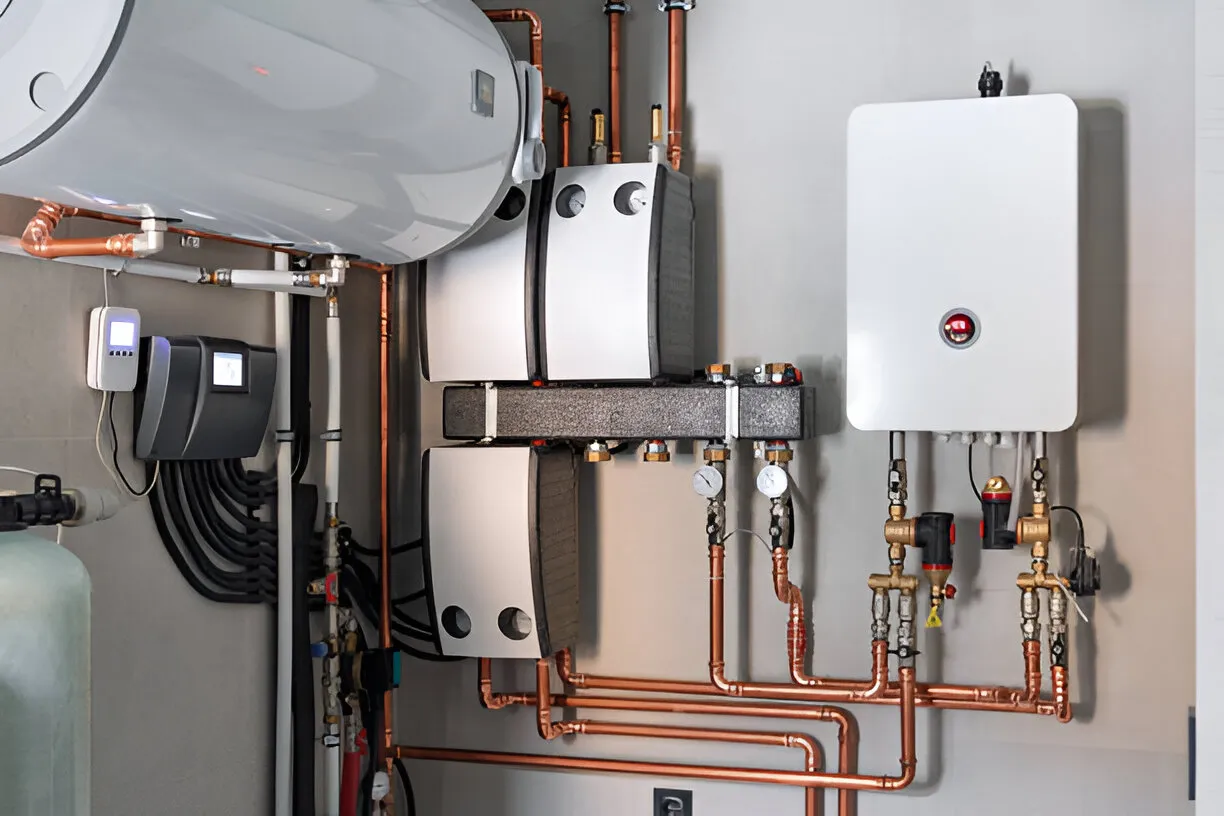
Why replace your boiler now
Common signals that a boiler needs replacement include frequent breakdowns, rising fuel use despite steady thermostat settings, leaks or repeated pressure drops, uneven heating between rooms, and loud or erratic operation. In Grandview, many homes have older cast iron systems or compact boiler rooms where efficiency losses and venting problems are common. Replacing a deteriorating boiler reduces safety risks, improves winter comfort, and typically lowers operating costs when you move to a high-efficiency model.
Common boiler replacement issues in Grandview, OH
- Frequent cycling or inability to maintain set temperature during cold snaps
- Visible leaks, corrosion, or rust on the boiler body and connections
- Yellow or noisy burner flame indicating combustion issues
- Pressure loss or persistent low boiler pressure
- Old chimney or venting that does not meet modern code requirements
- Compatibility problems between new high-efficiency boilers and existing radiators or piping
- Sediment, sludge, or scale inside the hydronic system causing poor circulation
Assessment and system sizing
A correct replacement begins with a thorough on-site assessment, not just the old boiler size. Key steps include:
- Home heat loss calculation: This estimates how much BTU output your home needs based on insulation, window quality, square footage, and local climate. For Grandview homes, account for cold winter design temperatures and any older construction details.
- System configuration review: Identify whether you will keep existing radiators, baseboards, or switch to different distribution (for example, adding zones). Determine fuel type and supply (natural gas, propane, or oil conversions).
- Venting and combustion air inspection: High-efficiency condensing boilers require different venting materials and condensate drainage. Older chimneys may need modifications or relining.
- Hydronic system condition check: Evaluate piping, valves, pumps, controls, and water quality. Heavily scaled or corroded systems may need cleaning or partial repiping.
Sizing mistakes commonly lead to short cycling and reduced longevity, so expect a professional heat loss calculation rather than a like-for-like replacement by output alone.
Comparing high-efficiency models
When choosing a new boiler, consider these options and features:
- Condensing modulating boilers: Best for efficiency in cold climates; modulate output to match demand, reducing cycling and fuel use.
- Combi boilers: Combine space heating and domestic hot water in one compact unit; useful for homes with limited space.
- Cast iron vs stainless/aluminum heat exchanger: Modern stainless or aluminum alloys are common in condensing boilers and resist corrosion from condensate, but require proper condensate management.
- Controls and zoning: Smart thermostats, outdoor reset controls, and zone pumps improve comfort and cut fuel use, particularly for multi-level or partially finished basements common in Grandview.
- Venting requirements: High-efficiency units often use PVC or stainless venting and need proper condensate drains.
Removal and disposal of old equipment
Removal includes safe shutoff of fuel and electrical supplies, draining and disconnecting pipes, and responsible disposal of the old boiler. In older homes, insulation or pipe wraps may contain hazardous materials that require special handling. Expect contractors to obtain necessary permits and to provide documentation that the boiler and any hazardous materials were disposed of per local code.
Detailed installation process and expected timelines
Typical installation workflow:
- Pre-install inspection and final sizing confirmation.
- Equipment delivery and staging. Some high-efficiency units require lead time for delivery.
- Removal of old equipment and any required abatement.
- Rough-in: new piping, venting, condensate drain, fuel connections, and electrical hookups.
- Mounting and plumbing the new boiler, installing pumps, expansion tanks, and controls.
- System flushing or power flushing to remove debris, followed by water treatment as needed to prevent corrosion and deposits.
- Commissioning: pressure testing, combustion analysis, control setup, zone balancing, and demonstration of operations.
- Cleanup and permit sign-off.
Timeline expectations:
- On-site assessment: same day or within a few days.
- Equipment lead time: typically days to a few weeks depending on model and availability.
- Installation: commonly one to three days for straightforward replacements; more complex retrofits with venting or piping upgrades can take several days to a week.
Cost factors and financing or rebate information
While exact costs vary, important factors that influence total project cost include:
- Boiler type and efficiency level
- Extent of piping and venting upgrades
- Need for chimney relining or condensate disposal
- System cleaning or replacement of pumps and controls
- Permits and inspections required by Grandview or Franklin County
- Any required asbestos abatement or hazardous material handling
Many homeowners finance replacements through home improvement loans or equipment financing plans. Also look into utility and government incentives available for installing high-efficiency heating equipment or qualifying energy efficient upgrades. Local and state programs may offer rebates or tax incentives for eligible models. Verify current incentive availability and program requirements before selecting equipment.
Warranty and maintenance considerations
- Manufacturer warranty: Understand the lengths and limits of coverage on heat exchangers and components. Higher efficiency models may come with longer warranties on key parts.
- Installer warranty: A quality installation often includes a workmanship warranty separate from the manufacturer warranty. Ensure permits and commissioning are documented to protect this coverage.
- Maintenance plans: Annual tune-ups, combustion checks, and periodic system flushing prolong life and maintain efficiency. In Grandview winters, schedule service before the heating season to avoid emergency replacements during cold weather.
- Water treatment: For hydronic systems, corrosion inhibitors and periodic testing prevent sludge and extend component life.
Planning your replacement
- Start planning before peak cold weather. Replacements scheduled in fall or late summer avoid emergency downtime.
- Gather documentation of the existing system: make, model, approximate age, and any service history.
- Verify access and clearances around the boiler room and note any narrow stairs or tight entries common in older Grandview homes that may affect equipment choices.
- Budget for potential upgrades such as new venting, condensate disposal, or zoning to get the full benefits of a modern boiler.
- Confirm required local permits and inspections as part of the scope to ensure compliance.
Replacing a boiler in Grandview, OH is both a safety priority and an opportunity to improve home comfort and reduce long-term energy costs. Proper assessment, correct sizing, and attention to venting and system condition are the keys to a successful, long-lasting installation tailored to the region's climate and your home layout.
Hot Deals & Cool Savings

.webp)
New Service Agreement Membership
.webp)
Any New Client Service
Next Service for Referring a New Client
New Service Agreement Membership
Any New Client Service
Next Service for Referring a New Client
.webp)
.webp)

Service Areas
