
Boiler Replacement in German Village, OH
Boiler replacement in German Village, OH delivers higher efficiency and reliability. Learn more about installation options, energy savings, and financing.

Boiler Replacement in German Village, OH
A boiler replacement is a major decision for older German Village homes where cold Ohio winters, historic building envelopes, and compact mechanical spaces combine to affect comfort and long-term energy costs.
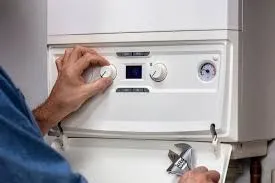
When to Replace vs Repair
Knowing whether to repair or replace your boiler depends on several practical signs and an informed evaluation.
Common indicators that replacement is recommended:
- Frequent breakdowns or escalating repair costs over multiple seasons.
- Age of the boiler: most boilers older than 15–20 years are less efficient and less reliable.
- Low efficiency (AFUE below 80%) when modern condensing systems can reach 90–98% AFUE.
- Rust, corrosion, cracked heat exchangers, or leaks that compromise safety and longevity.
- Inability to maintain consistent temperatures or uneven heating across rooms.
- Parts are obsolete or hard to find, increasing downtime and cost.
Technicians will also weigh repair cost, remaining expected life, and how a new system could reduce energy bills and maintenance needs. In many German Village homes with older cast-iron systems and higher heating loads, replacement is often the more economical long-term choice.
How Technicians Evaluate Existing Systems
A thorough evaluation informs the replacement plan and equipment selection.
Key evaluation steps:
- Visual inspection of the boiler, piping, venting, and controls.
- Combustion analysis to assess burn efficiency and safety.
- Pressure and leak checks of the hydronic system.
- Review of thermostat and control wiring.
- Assessment of the existing flue/venting suitability for condensing boilers.
- Inspection for hazardous materials (example: asbestos or old insulation) that require special handling.
- Heat loss assessment of the home to determine true boiler capacity needs.
High-Efficiency Boiler Options
Modern boilers offer significant efficiency and comfort improvements, particularly for homes that are heated by older, non-condensing units.
Common high-efficiency choices:
- Modulating condensing (mod-con) boilers: Adjust output to match demand and reclaim latent heat from flue gases for efficiencies up to the mid-to-high 90s AFUE.
- High-efficiency cast-iron boilers with improved controls: For systems that pair with existing radiators and distribution piping.
- Combination (combi) boilers: Provide both space heating and domestic hot water in one compact unit — useful for smaller German Village rowhouses with limited mechanical space.
Important installation considerations for condensing boilers: proper venting materials (PVC or special stainless steel), adequate condensate drainage, and ensuring combustion air supply.
Sizing and Load Calculations
Accurate sizing prevents short cycling, inefficiency, and premature wear.
Sizing process typically includes:
- Performing a heat loss calculation for the home (commonly using Manual J methodology) that considers insulation, window area, brick/masonry thermal mass common in German Village, and local winter design temperatures.
- Selecting equipment based on the heat load with allowance for distribution system losses.
- For hydronic systems, reviewing pump sizing and pipe layout to ensure proper flow rates.
Oversized boilers lead to short cycling and lost efficiency; undersized units fail to maintain comfort during cold snaps typical of Columbus winters. A heat-loss-based sizing is essential.
Removal and Disposal of Old Equipment
Safe removal protects your home and complies with local regulations.
Typical removal steps:
- Isolating and purging the fuel supply and freeing stored pressure safely.
- Draining hydronic fluid and managing wastewater in compliance with local disposal rules.
- Inspecting for hazardous materials such as asbestos on old piping insulation and arranging abatement if present.
- Recycling scrap metal and disposing of non-recyclable components per Columbus/Franklin County guidelines and environmental regulations.
Technicians should provide documentation of disposal and any hazardous-material handling.
Installation Timeline
Timelines vary with home complexity, equipment type, and permitting needs.
Typical ranges:
- Simple like-for-like swap: 1–3 days for removal, installation, and startup.
- Condensing boiler replacing a non-condensing unit with venting and condensate work: 2–5 days.
- Complex retrofits, zone control installations, or projects requiring structural changes: up to a week or more, including scheduled inspections.
Timeline factors include delivery lead times for equipment, need for pipe replacement, and coordination with historic preservation requirements for exterior venting in German Village.
Permit and Code Requirements
Boiler installations in German Village must meet Columbus building and mechanical codes and often require permits and inspections.
Typical requirements:
- Mechanical and plumbing permits for new equipment and associated piping or venting changes.
- Gas line sizing and inspection for natural gas connections.
- Post-installation inspection and combustion/efficiency testing.
- Compliance with local venting and combustion air codes.
- For homes in the German Village Historic District, review or approval may be needed for visible exterior vents or penetrations. Coordination with the local historic preservation commission is often necessary to preserve the neighborhood’s aesthetic standards.
Licensed technicians will handle permit submissions and schedule necessary inspections to ensure code compliance.
Rebates and Financing Options
Replacing an old boiler can qualify for several financial programs that reduce upfront cost and improve payback.
Common paths to savings:
- Federal tax credits or incentives for high-efficiency equipment when available.
- State and local utility rebates: Ohio utilities and efficiency programs sometimes offer rebates for qualifying high-efficiency boilers and controls.
- Manufacturer rebates on select models or packaged systems.
- Financing plans through contractors or third-party lenders to spread payments over time and match repayment to energy savings.
Homeowners should confirm current program eligibility and documentation requirements at time of purchase.
Expected Energy and Reliability Benefits
A properly sized, professionally installed high-efficiency boiler delivers tangible improvements.
Typical benefits:
- Higher efficiency: moving from a 60–75% AFUE boiler to a modern condensing unit (90%+ AFUE) can substantially reduce fuel use.
- Improved comfort with more consistent temperatures and better zone control.
- Lower maintenance and fewer emergency repairs, improving household reliability during Ohio’s cold season.
- Longer expected service life of new equipment when installed and maintained correctly.
- Reduced environmental footprint through lower fuel consumption and emissions.
Regular tune-ups and water-treatment routines keep efficiency high and extend equipment life.
Hot Deals & Cool Savings

.webp)
New Service Agreement Membership
.webp)
Any New Client Service
Next Service for Referring a New Client
New Service Agreement Membership
Any New Client Service
Next Service for Referring a New Client
.webp)
.webp)

Service Areas
