
Boiler Replacement in Franklinton, OH
Boiler replacement in Franklinton, OH: expert on-site assessment, precise sizing, and efficient installation. Learn more about costs, rebates, and timeline.

Boiler Replacement in Franklinton, OH
Replacing a failing or outdated boiler is one of the most impactful upgrades you can make to improve comfort, safety, and energy costs in Franklinton, OH homes. Cold winters, older housing stock near the Scioto River, and periodic flooding risks in parts of Franklinton make correct equipment selection, proper installation height/elevation, and code-compliant disposal especially important.
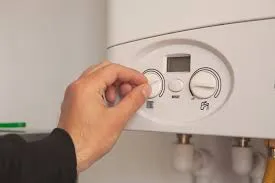
When to Replace vs Repair
Replacement is recommended when one or more of the following apply:
- Boiler age is 15 to 25 years or older and components are failing regularly.
- Repair cost approaches or exceeds about half the cost of replacement considering remaining service life.
- Heat exchanger shows signs of corrosion or cracking (safety and carbon monoxide risk).
- Unit is non-condensing with low AFUE (often under 80%) and energy bills are rising.
- Parts are obsolete or unavailable for older models.
- System cannot meet current comfort needs (uneven heat, long recovery) or you plan a renovation that changes heating loads.
- Floodplain or elevation requirements in Franklinton mean your existing unit needs relocation or replacement to meet local ordinances.
If the unit is newer, under warranty, and issues are isolated and inexpensive, repair may be sensible. Replacement offers efficiency gains, fewer service calls, and modern controls.
On-site Assessment and Load Calculation
A thorough on-site assessment identifies the right replacement size and scope:
- Visual inspection of boiler, combustion, venting, piping, controls, expansion tank, and radiators or baseboards.
- Combustion and safety checks (CO, draft, flue condition).
- Review of heat distribution: single-pipe vs two-pipe, zoning valves, circulator pump sizing.
- Hydronic water quality check (corrosion, scale, pH) and expansion tank condition.
- Heat-loss (Manual J style) calculation for the building: measures exterior wall area, insulation levels, window types, air infiltration, ceiling and floor assembly, occupancy, and orientation. The result is a recommended heating capacity in BTU/hr.
- Matching load to a properly sized boiler: downsizing to modern efficient units avoids oversizing, which leads to short cycling and reduced efficiency. A modest buffer is included for extreme cold and future changes.
Comparing Boiler Types and Efficiency Ratings
Common boiler types to consider for Franklinton homes:
- Condensing Gas Boilers (modulating-condensing): Best efficiencies, typically 90% to 98% AFUE. Require condensate drain and lower return water temps to realize full savings. Ideal where natural gas is available.
- Non-condensing Gas Boilers: AFUE in the 80s. Easier venting in some situations but less efficient.
- Oil Boilers: Still used in some properties; efficiency varies and fuel availability/costs should be considered.
- Electric Boilers: High reliability and zero combustion emissions, but operating cost depends on electricity rates.
- Combi Boilers (combination): Provide domestic hot water and space heating in one compact unit; good for smaller homes but may struggle with simultaneous high DHW demand.
Efficiency rating note: moving from an older boiler at 60-70% AFUE to a condensing unit at 90+% AFUE commonly yields double-digit fuel savings. Modulating burners and smart controls improve comfort and reduce cycling.
Removal and Disposal of Old Equipment
Safe, compliant removal is essential:
- Drain and neutralize hydronic fluid if needed; capture and dispose of contaminated water per local rules.
- Safely disconnect gas, electrical, and venting. Cap gas lines per code.
- Inspect for asbestos or hazardous insulation in older installations; if present, abatement by licensed professionals is required.
- Properly remove and recycle scrap metal and components; oil boilers may require handling of residual fuel and, in some cases, abandonment or removal of buried oil tanks to meet local environmental rules.
- Obtain disposal documentation where required for permits and potential rebate eligibility.
Replacement Installation Timeline
Typical timelines depend on complexity:
- Like-for-like swap (same footprint, similar venting): commonly 1 to 2 days.
- Replacement with new venting, flue liner, or piping upgrades: 2 to 4 days.
- System upgrades (adding zoning, converting fuel type, structural work, or relocating above flood elevation): up to 3 to 7 days plus inspection scheduling.
- Final steps include combustion tuning, system flushing/chemical treatment if needed, commissioning, and balancing zones for even heat.
Permits and Code Compliance
Boiler replacement requires adherence to state and local codes:
- Expect mechanical, gas, and possibly electrical permits. Inspections at rough-in and final stages are typical.
- Work must meet Ohio building and mechanical codes and local Columbus/Franklinton ordinances; gas connections and combustion appliance installations must be performed by licensed technicians.
- If your home is in a flood-prone part of Franklinton, equipment elevation or floodproofing measures may be required by municipal code. Provide documentation to inspectors and save manufacturer installation manuals for compliance verification.
Rebates and Financing Options
Several programs may help offset cost:
- Federal tax credits and energy efficiency incentives for high-efficiency heating equipment may apply; documentation of equipment efficiency is typically required.
- Local utility rebates from natural gas providers or electric utilities in the Columbus area can reduce upfront cost for qualifying high-efficiency units.
- State and municipal energy efficiency programs or low-interest energy loans may be available.
- Contractor or third-party financing plans are often offered for heating system upgrades. Keep installation and permit records to support rebate or tax applications.
Projected Energy and Performance Improvements
Realistic outcomes after replacement:
- Fuel savings commonly range from 10% to 30% or more, depending on the efficiency gap between old and new equipment and the home’s heating profile.
- Faster recovery, more consistent zone control, quieter operation, and improved domestic hot water performance if switching to a combi or integrated system.
- Modern condensing boilers often last 15 to 25 years with regular maintenance and reduced frequency of service calls.
- Properly sized and commissioned systems reduce short cycling and extend component life, further improving total cost of ownership.
Ongoing Benefits and Maintenance
To preserve efficiency and longevity:
- Schedule annual tune-ups with combustion testing and system checkups.
- Maintain water quality in closed hydronic systems to prevent corrosion and scaling.
- Consider smart thermostats and zoning controls for targeted comfort and additional savings.
- Keep permits and installation documentation for future home sales or warranty purposes.
Replacing a boiler in Franklinton, OH requires attention to local climate impacts, flood-elevation rules in some neighborhoods, and careful equipment selection based on a professional load calculation. Proper removal, permitting, and commissioning maximize safety, efficiency, and long-term comfort for your home.
Hot Deals & Cool Savings

.webp)
New Service Agreement Membership
.webp)
Any New Client Service
Next Service for Referring a New Client
New Service Agreement Membership
Any New Client Service
Next Service for Referring a New Client
.webp)
.webp)

Service Areas
