
Boiler Replacement in Canal Winchester, OH
Boiler replacement in Canal Winchester, OH: compare repair vs replacement, learn sizing, installation timelines, warranties, and financing options.

Boiler Replacement in Canal Winchester, OH
Replacing a boiler is a major home investment and a decision many Canal Winchester homeowners face after years of repairs or when looking to lower winter heating costs. With cold Ohio winters and older housing stock in parts of Canal Winchester, making the right choice between repair and replacement affects comfort, safety, and long term operating costs.
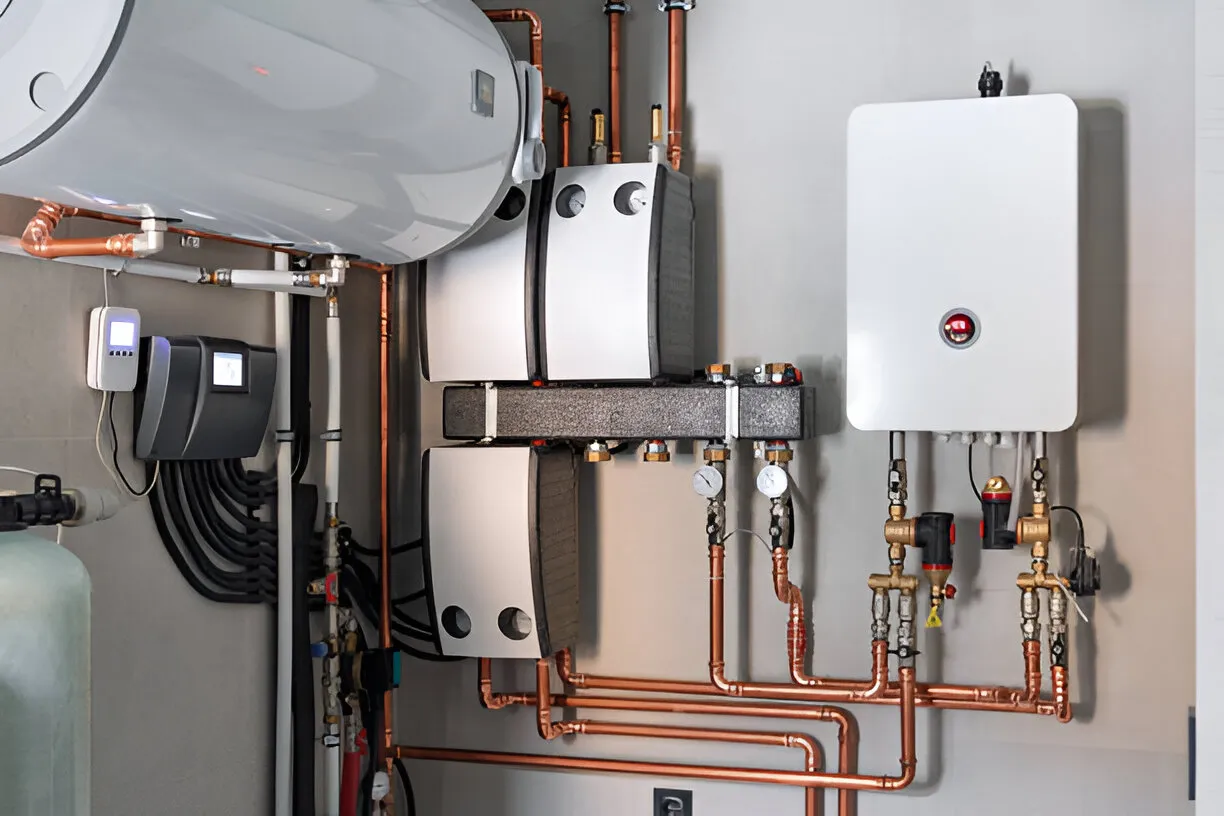
When to replace a boiler vs repair
Knowing whether to repair a boiler or replace it depends on multiple factors, not just one big failure. Consider replacement when one or more of these apply:
- Age: Boilers older than 15 to 20 years commonly approach end of life. Older cast iron or non-condensing units were built to lower efficiency standards.
- Recurring breakdowns: Frequent repairs within a short period are a sign that the system is wearing out and that repair costs will add up.
- Poor efficiency: If your fuel bills have risen despite normal usage, the boiler’s efficiency may be degraded or the unit may never have been efficient to begin with.
- Parts scarcity: When replacement parts are obsolete or costly, a repair may be temporary and expensive.
- Inadequate comfort: Rooms that never reach set temperatures or uneven heating across the home indicate a system mismatch or failing components.
- Safety concerns: Any signs of combustion problems, persistent carbon monoxide alarms, or gas leaks require immediate attention and often replacement if the heat exchanger is compromised.
The evaluation process: what professionals check
A proper evaluation balances age, history, and performance:
- Service and repair history: Frequent past failures or major component replacements factor into replacement recommendations.
- Efficiency metrics: Technicians will estimate current efficiency (AFUE) and compare it to new equipment performance.
- Heat distribution and controls: Evaluation includes piping, zone controls, thermostats, and distribution hardware; sometimes upgrades to controls are enough but often paired with new equipment.
- Combustion and safety inspection: Visual and diagnostic checks identify cracked heat exchangers, leaks, or unsafe combustion.
- Load assessment: A heat loss calculation (see sizing) helps determine whether the existing boiler is correctly sized.
Replacement system options for Canal Winchester homes
Different homes and retrofit situations call for different boiler types. Typical options include:
- Condensing boilers: High-efficiency units that recover latent heat from flue gases. Best for homeowners seeking maximum fuel savings and lower emissions. They require proper condensate drainage and slightly different venting.
- Combi boilers: Provide space heating and domestic hot water from one compact unit. Good for smaller Canal Winchester homes with limited mechanical space and moderate hot water demand.
- System boilers: Work with a separate hot water storage cylinder and are useful in homes with high hot water needs or multiple bathrooms running simultaneously. They are a good retrofit choice where existing distribution and cylinder are retained.
Each option has tradeoffs in upfront cost, footprint, and integration with existing heating distribution like radiators or in-floor systems.
Sizing and load calculations
Correct sizing prevents short cycling and inefficient operation:
- Manual J style heat loss: A room-by-room heat loss calculation considers insulation levels, window types, air infiltration, and local climate. Canal Winchester’s cold winter design temperatures are factored into the calculation.
- Distribution losses: Older distribution piping and uninsulated runouts add to required capacity.
- Domestic hot water demand: For combi or system boilers, peak hot water needs must be included.Oversized boilers run inefficiently and shorten component life; undersized boilers fail to meet comfort needs. A professional heat loss and load calculation is essential.
Energy efficiency and cost-savings comparison
- AFUE ranges: Older non-condensing boilers commonly deliver 60 to 80 percent AFUE. Modern condensing boilers commonly achieve 90 percent AFUE and higher, meaning more of the fuel converts to usable heat.
- Operational savings: Improved efficiency reduces fuel consumption and monthly utility bills, especially during Canal Winchester’s long heating seasons. Savings depend on fuel type, local rates, usage patterns, and the efficiency gap between the old and new units.
- Payback considerations: Payback time depends on initial cost, available rebates, fuel price trends, and how well the new system is matched and installed. Upgrading controls and sealing distribution leaks can accelerate payback.
Installation timeline and what to expect
A typical replacement timeline for a standard residential boiler:
- Preparation and permitting: 1 to 2 weeks depending on permit turnaround.
- Removal and installation: 1 to 3 days for a like-for-like replacement; longer for conversions, equipment relocation, or major piping changes.
- Commissioning and testing: Final combustion testing, venting checks, and system balancing on installation day.Homeowners should expect some noise and trades activity during installation and should plan for brief heating interruptions.
Removal and disposal of old equipment
Old boilers must be drained, disconnected, and removed safely. Proper disposal includes:
- Safe draining and handling of fuels and fluids.
- Recycling of metals when possible.
- Proper disposal of asbestos or hazardous materials if discovered in older installations.Licensed contractors follow local waste handling rules and ensure the site is left clean.
Permitting and code compliance in Canal Winchester, OH
Replacement boilers typically require:
- Local building permits and inspections from the City of Canal Winchester building department or the relevant township jurisdiction.
- Gas piping and venting inspections for natural gas systems.
- Compliance with Ohio plumbing and mechanical codes and manufacturer installation instructions.Expect coordination between the installer and local inspectors to ensure safe, code-compliant work. If you plan to change fuel type or install high-efficiency venting, additional approvals and utility coordination may be required.
Financing, rebates, and incentives
Many homeowners offset replacement costs through:
- Utility rebates and local incentive programs for high-efficiency equipment.
- State and federal incentives or tax credits that may apply to energy upgrades.
- Financing options through contractors or lending programs that spread costs over time.Eligibility and amounts vary, so review current programs from Ohio and local utilities when planning.
Warranty and maintenance packages
- Manufacturer warranties typically cover heat exchangers and major components for varying terms. Read what is included and what routine maintenance requires to keep the warranty valid.
- Service agreements offer annual tune-ups, priority service, and discounted repairs. Regular maintenance keeps efficiency high and extends equipment life.
- Record keeping: Keep a log of service visits and fuel bills to track performance and support warranty claims.
Final considerations and ongoing care
Replacing a boiler in Canal Winchester is about comfort, safety, and long-term operating costs. An informed replacement includes a detailed evaluation, a proper load calculation, choosing a system that fits your home and usage patterns, and ensuring permits and disposal are handled correctly. After replacement, schedule annual maintenance to maintain efficiency and safeguard your warranty so the new system delivers reliable warmth through Ohio winters.
Hot Deals & Cool Savings

.webp)
New Service Agreement Membership
.webp)
Any New Client Service
Next Service for Referring a New Client
New Service Agreement Membership
Any New Client Service
Next Service for Referring a New Client
.webp)
.webp)

Service Areas
