
Boiler Replacement in Brice, OH
Boiler replacement in Brice, OH: Learn more about when to repair or replace, sizing, financing, and warranties for Brice homeowners.

Boiler Replacement in Brice, OH
When your boiler fails to deliver reliable heat through Brice winters, deciding between repair and replacement is a critical homeowner decision. In Brice, OH, colder temperatures and frequent freeze-thaw cycles increase heating demand and can accelerate wear on older systems.
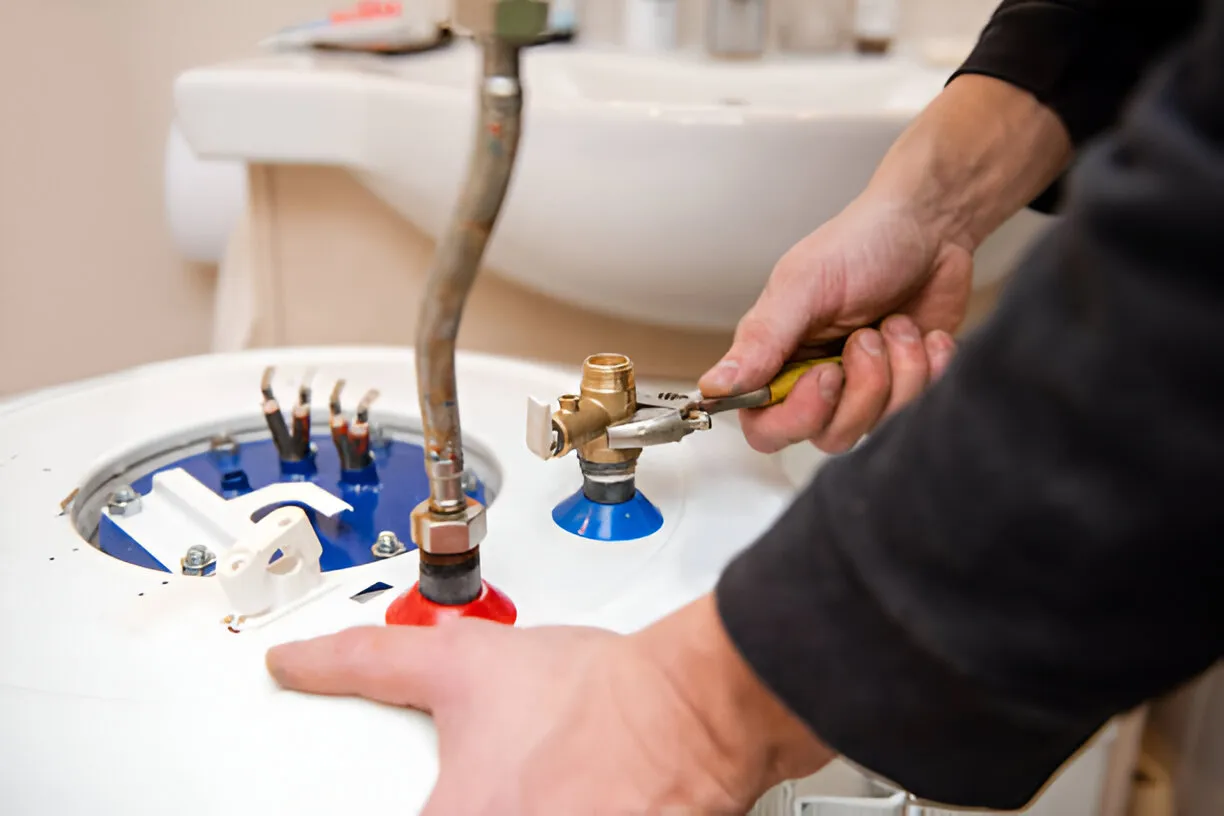
When replacement is recommended versus repair
Consider replacement when any of these apply:
- Your boiler is older than 15 years and showing recurring faults. Typical residential boilers last 15 to 25 years; longevity drops with deferred maintenance.
- Repair costs approach or exceed 50% of the cost of a new unit. Repeated repairs signal diminishing returns.
- The boiler’s efficiency (AFUE) is low. Older non-condensing models often operate at 70-80% AFUE; modern condensing boilers reach 90%+ AFUE.
- Parts are obsolete or difficult to source, or corrosion and pressure vessel damage are present.
- Your home needs a larger heating capacity due to renovations or increased insulation requirements, or you want integrated domestic hot water (combi boiler).
If the unit is relatively new (under 10 years), the problem is isolated (pump, sensor, valve) and annual maintenance is up-to-date, repair may be the right short-term option. For Brice homeowners facing high heating loads, upgrading to a more efficient system often pays back sooner because of energy savings.
How the evaluation process works
A structured evaluation includes:
- Visual inspection of boiler, flues, controls, and distribution components.
- Determine age and service history from nameplate and records.
- Measure efficiency indicators and combustion performance (CO, O2, flue temperature).
- Cost-to-repair analysis: estimate parts, labor, and likelihood of future failures.
- Perform a heating load calculation (see sizing section) to confirm capacity needs.
- Compare replacement options with modeled fuel cost savings and payback scenarios.
This objective comparison helps you weigh upfront cost against lower fuel bills, improved comfort, and reduced repair risk—especially important in Brice where winter reliability matters.
Common boiler types and energy-efficient options
- Condensing gas boilers: Best efficiency for natural gas; use condensing heat exchange to recover latent heat, often 90%+ AFUE.
- Modulating-condensing boilers: Adjust output to match load, improving comfort and reducing cycling losses—good for variable winter loads in Ohio.
- Combi boilers: Provide on-demand domestic hot water and space heating in a single compact unit; useful in smaller homes that need space savings.
- High-efficiency electric boilers: Suitable where natural gas is unavailable; efficiency is high at the device level but consider electricity cost and grid carbon intensity.
- Propane and oil-fired boilers: Common in rural properties; modern oil boilers are more efficient than older models but generally lag behind gas condensing units in operating cost.
- Biomass and pellet boilers: Viable for some properties focused on renewable fuel sources.
In Brice, natural gas is a common and cost-effective fuel for many homes, but properties using propane or oil should evaluate both fuel availability and long-term cost trends before switching fuel types.
Sizing and load calculations
Proper sizing is essential:
- A qualified technician performs a heat loss calculation (building envelope, windows, insulation, air infiltration, local design temperatures). This is analogous to Manual J for boilers.
- Factors unique to Brice: local design temperature, typical home construction, and any recent insulation or window upgrades must be included.
- Oversized boilers cycle unnecessarily and reduce efficiency; undersized boilers cannot maintain comfort on the coldest days.
Expect the installer to verify distribution system compatibility (radiators, baseboard, in-floor hydronic) and to recommend buffer tanks or zoning if system inertia or cycling is a concern.
Removal and disposal of old equipment
- Safe disconnection: fuel lines, electrical feeds, and combustion venting are isolated and capped per code.
- Hazardous materials: older boilers may have asbestos wrap on pipes or lead-based paints on nearby components; certified abatement is used when present.
- Disposal and recycling: metals and non-hazardous components are recycled when possible; fluid residues and contaminated materials are disposed of per local regulations.
- Documentation: installers typically provide disposal manifests or receipts showing proper handling.
Local waste and recycling requirements in Franklin County and surrounding jurisdictions influence removal procedures, so installers follow municipal regulations during disposal.
Installation timeline and what to expect
- Straight swap of same-fuel, same-location equipment: typically 1 to 3 days for most residential installations.
- Complex installations (fuel change, adding indirect hot water, structural moves, or extensive piping upgrades): can take several days to a week.
- Final steps: combustion testing, system balancing, filling and purging hydronic circuits, thermostat and control setup, and a startup review with the homeowner.
Plan for a short period without heating or with temporary measures during the swap, especially in cold months.
Permits and code compliance
- Permits and inspections are usually required. Compliance covers venting, combustion air, fuel connections, seismic/anchoring where applicable, and emissions/clearances.
- Installers ensure work meets local building codes and manufacturer installation requirements to preserve warranties.
- Documentation provided typically includes permit sign-offs and inspection reports.
Confirm that the installer pulls permits and schedules required inspections as part of the project scope.
Financing and rebate guidance
- Incentives: high-efficiency equipment may qualify for federal tax credits, state incentives, or local utility rebates. Programs change, so check the current offerings for Ohio and regional utilities.
- Financing options: many homeowners use home improvement loans, HVAC financing programs, or energy upgrade loans. Compare terms and total cost when evaluating financing.
- Energy savings: model expected fuel cost reductions to understand payback period; higher-efficiency boilers can deliver significant savings in cold-climate areas like Brice.
Warranties and maintenance
- Manufacturer warranties vary by component: heat exchangers often carry the longest coverage, while controls and pumps have shorter terms.
- Labor warranties from the installing contractor cover workmanship for a defined period; get warranty terms in writing.
- Warranty requirements: many manufacturers require professional annual maintenance and registration of the new unit to keep the warranty valid.
- Ongoing maintenance: annual combustion tune-ups, water treatment for hydronic systems, and periodic checks extend equipment life and protect warranties.
Hot Deals & Cool Savings

.webp)
New Service Agreement Membership
.webp)
Any New Client Service
Next Service for Referring a New Client
New Service Agreement Membership
Any New Client Service
Next Service for Referring a New Client
.webp)
.webp)

Service Areas
