
Boiler Replacement in Blacklick, OH
Boiler replacement in Blacklick, OH: upgrade to a high-efficiency unit, learn timelines and financing, and schedule a quote today.

Boiler Replacement in Blacklick, OH
Replacing a failing or inefficient boiler is one of the most impactful investments you can make in a Blacklick, OH home. Winters here are cold and can be prolonged, so an undersized or unreliable boiler leads to discomfort, higher utility bills, and emergency service calls.
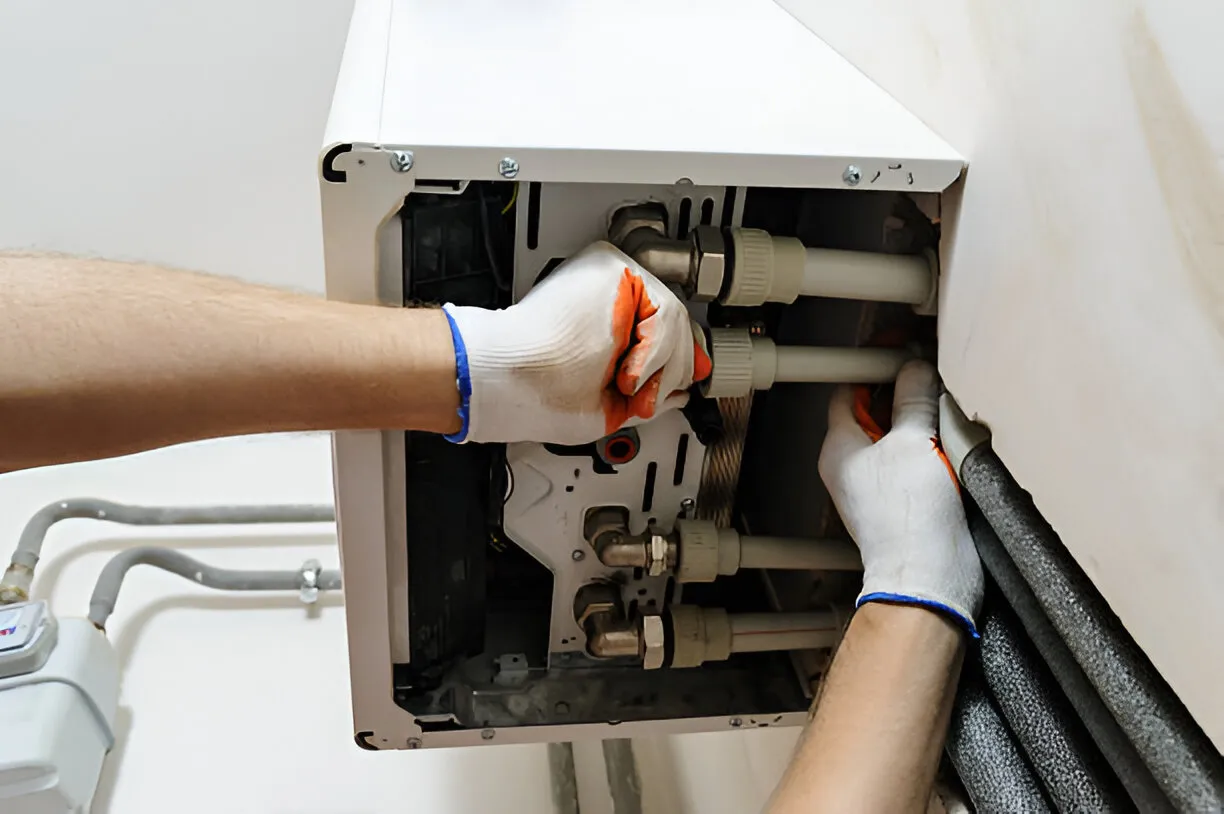
Why homeowners in Blacklick, OH choose boiler replacement
- Blacklick experiences long heating seasons and freezing temperatures that demand dependable, consistent heat year after year.
- Older boilers common in area housing stock are often less efficient and near end of life, costing more to operate and requiring frequent repairs.
- Upgrading to a high-efficiency, code-compliant unit reduces fuel use, improves comfort, and helps future-proof the home against stricter efficiency codes and insurance requirements.
Common boiler replacement triggers and issues in Blacklick, OH
- Repeated breakdowns or frequent repairs indicating end-of-life.
- Rising fuel bills despite regular use.
- Uneven heating, cold spots, or noisy operation from kettling and scale buildup.
- Persistent leaks, corrosion, or cracked heat exchangers.
- Failed safety controls, pilot or ignition problems, or high flue temperatures.Understanding these signs helps determine when replacement is more cost effective than repeated repairs.
Comprehensive system evaluation and end-of-life assessment
A reliable replacement begins with a thorough evaluation:
- Visual inspection of the boiler, flue, venting, combustion air provisions, and piping.
- Review of maintenance history, repair frequency, and age of the unit.
- Diagnostic testing: combustion analysis, pressure and temperature checks, and leak detection.
- Assessment of heat distribution components: pumps, zone valves, thermostats, and radiators or baseboards.
- Recommendation on whether to repair, refurbish, or replace based on safety, efficiency, and remaining service life.
Sizing and load calculations for proper replacement
Correct sizing is essential. Oversized boilers short cycle and waste energy; undersized units leave you cold. The process includes:
- A heating load calculation tailored to Blacklick climate conditions and your home’s construction (insulation levels, window types, air infiltration, square footage, and ceiling heights).
- Determination of required output in BTU/hour with a modest safety margin (typically 10 to 15 percent) to handle extreme cold spells without oversizing.
- Consideration of zoning needs, future home improvements, and the possibility of adding hydronic domestic hot water or radiant systems.This ensures the selected boiler delivers comfort, efficiency, and longevity.
Recommendations for high-efficiency, code-compliant replacement units
- High-efficiency condensing boilers are often recommended for gas or propane systems because they recover additional heat from flue gases and can dramatically reduce fuel costs.
- Non-condensing high-efficiency options may be appropriate in certain retrofit scenarios where venting or system compatibility are limiting factors.
- For electric and oil systems, there are efficiency-optimized models and modern controls that improve performance.
- All replacements are selected to meet or exceed Ohio building and mechanical code requirements and local permitting rules, including proper venting, combustion air, and flue sizing.
Removal, disposal, and site preparation
- Safe disconnection of fuel, electrical, and plumbing connections.
- Removal and responsible disposal or recycling of the old boiler and associated components in compliance with local regulations.
- Inspection and any necessary repairs to venting, chimney liners, piping, and structural supports before installation.
- Preparation of condensate drains for condensing units and verification of clearances required by code.
Typical installation timelines and what affects them
- Simple like-for-like replacements: often completed in 1 to 2 days.
- Replacements requiring venting changes, fuel conversions, new piping, or additional controls: 2 to 5 days.
- Complex installations (new boiler room layout, radiant retrofit, or major distribution upgrades): may require a week or more.Factors that affect timelines include permit processing, parts availability, the need for structural work, and whether radiators, baseboards, or piping require relocation or replacement.
Financing, rebates, and incentives guidance
- High-efficiency equipment may qualify for federal tax credits, state incentives, or local utility rebates. Availability changes over time and depends on equipment efficiency and installation details.
- Financing options commonly used include energy-efficient loans, home improvement loans, payment plans, and financing programs tied to utility incentive programs.
- Guidance includes gathering documentation (equipment specifications, efficiency ratings, and receipts), checking current incentive eligibility, and coordinating paperwork so incentives and tax credits can be claimed correctly.
Post-installation testing and warranties
After installation, thorough commissioning verifies safe, efficient operation:
- Combustion and CO testing, pressure and leak checks, thermostat calibration, and verification of proper heat distribution and zoning performance.
- System balancing and air purging for hydronic systems to prevent noise and ensure even heat.
- Demonstration of controls and user operation for homeowners.Warranties typically include a manufacturer’s limited warranty on the boiler and components and a labor or workmanship warranty for the installation. Documentation of warranty registration and maintenance requirements is provided at handoff.
Long-term benefits and maintenance recommendations
Replacing an old boiler delivers:
- Improved comfort with steadier temperatures and better control.
- Lower fuel bills and reduced carbon footprint with a high-efficiency model.
- Fewer emergency repairs and longer equipment life when properly maintained.Maintenance best practices for Blacklick homes:
- Annual professional tune-ups before winter: combustion check, flue inspection, and pump and control inspection.
- Regular bleeding of radiators and checking system pressure.
- Water treatment to prevent corrosion and scale in closed-loop systems.
- Keep venting and combustion air paths clear and inspect for settling or blockages after extreme weather.
A properly selected and installed boiler matched to your home and climate provides reliable heat through Blacklick winters, improved efficiency, and peace of mind backed by testing and warranty coverage.
Hot Deals & Cool Savings

.webp)
New Service Agreement Membership
.webp)
Any New Client Service
Next Service for Referring a New Client
New Service Agreement Membership
Any New Client Service
Next Service for Referring a New Client
.webp)
.webp)

Service Areas
