
Boiler Repair in Hilliard, OH
Trusted boiler repair in Hilliard, OH. Emergency and scheduled service available. Learn more and schedule your on-site diagnostic today.

Boiler Repair in Hilliard, OH
Heating reliability is essential in Hilliard, OH where cold winters and fluctuating temperatures put heavy demand on residential and small commercial boilers. Whether you need emergency boiler repair or a scheduled service, understanding common symptoms, diagnostic steps, typical repairs, response expectations, warranty and safety checks, and how to prepare for a technician will help you make informed decisions and reduce downtime.
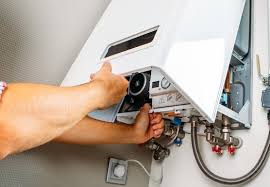
Why timely boiler repair matters in Hilliard, OH
Hilliard homes often have older solidly built houses and newer developments. Cold months increase the risk of frozen pipes, system strain, and accelerated wear on boiler components. Prompt repair prevents property damage from leaks, reduces energy waste from inefficient operation, and keeps living spaces safe and comfortable.
Common boiler symptoms homeowners in Hilliard see
- No heat or hot water: system fails to start, circulator pump not running, or boiler cycles without producing heat.
- Strange noises: banging, kettling, or gurgling often indicate sediment, poor water circulation, or air in the system.
- Leaks or pooling water: visible leaks around valves, joints, or the boiler base can be from corrosion, failed seals, or pressure relief issues.
- Frequent cycling or short cycling: boiler turns on and off rapidly, often due to thermostat, control board, or oversized boiler issues.
- Pressure loss or constant high pressure: persistent pressure outside the normal range points to leaks, failed expansion tanks, or pressure relief valve issues.
- Pilot light or ignition failures: standing pilot or electronic ignition that fails to light points to gas supply, ignition components, or sensor faults.
- Discolored or smelly venting: poor combustion or blocked vents can cause yellow flames, soot, or odors and require immediate attention.
Diagnostic steps technicians use
- Visual inspection: check boiler model, age, visible corrosion, leaks, and venting condition.
- System history review: confirm recent maintenance, symptom timeline, and whether issues are intermittent or constant.
- Safety and combustion checks: verify flame quality, CO risk, and proper venting.
- Pressure and temperature readings: measure system pressure, supply/return temperatures, and expansion tank condition.
- Electrical and control diagnostics: test thermostats, control boards, relays, and pumps for electrical faults.
- Leak tracing and flow verification: inspect valves, joints, heat exchangers, and circulator operation.
- Water quality and sediment check: assess for scale buildup or sludge that may cause kettling and reduce efficiency.
These diagnostics pinpoint root causes so repair focuses on long term reliability rather than temporary fixes.
Typical repair procedures and commonly replaced parts
- Seal and valve repairs: replace leaking isolation valves, check valves, and pressure relief valves to stop water loss and restore correct pressure.
- Circulator pump replacement or rebuild: fix noisy or failed pumps that stop hot water circulation.
- Expansion tank service: repair or replace bladder-style tanks that lose charge and cause pressure swings.
- Heat exchanger cleaning or replacement: remove scale or replace cracked exchangers when inefficiency or leaks occur.
- Ignition and control repairs: replace flame sensors, ignition modules, thermostats, and control boards to restore reliable startup and safe operation.
- Boiler tuning and combustion adjustment: adjust gas pressure and burner settings to improve efficiency and reduce soot or yellow flames.
- Flue and venting repairs: clear blockages, reseal joints, or replace damaged vent sections to ensure safe exhaust.
- Water treatment and system flushing: power flush or chemical cleanout to remove sediment and restore flow in hydronic systems.
Emergency vs scheduled repair and expected response times
- Emergency boiler repair: covers no heat in freezing conditions, active leaks threatening property, signs of carbon monoxide, or flame roll out. Typical response time for true emergencies in urban-suburban areas like Hilliard is within a few hours, depending on call volume and local weather conditions.
- Scheduled repair: noncritical issues such as intermittent noises, efficiency tuning, or routine component replacement are usually scheduled within 24 to 72 hours.
Response time is influenced by technician availability, severity of the problem, parts availability, and local weather. During major cold snaps response times may be longer due to high demand.
Pricing guidelines and factors that influence cost
While exact pricing varies by provider, the main factors that determine repair cost are:
- Parts required: replacement of heat exchangers, control boards, or circulator pumps is more expensive than valve or sensor replacement.
- Labor complexity: repairs that require system drainage, confined-space work, or extended diagnostic time increase labor hours.
- Boiler age and model: older or uncommon models can require more time to diagnose and may need special-order parts.
- Emergency service vs scheduled visit: after-hours or immediate-response visits typically carry additional fees.
- Local code or permit requirements: certain repairs may require inspections or permits which affect final cost.
Expect accurate estimates to come after an on-site diagnostic. Good providers will explain which fixes are critical now and which can be deferred safely.
Warranty, safety checks, and documentation
- Parts and labor warranties: reputable repairs include written warranties on replaced parts and a labor guarantee for a limited period. Warranty length varies by component type.
- Safety checks performed after repair: combustion analysis, CO check, pressure and leak verification, thermostat and control function test, and proper venting inspection.
- Documentation provided: technicians should leave a repair report detailing the diagnostics, parts replaced, system settings, and recommended follow-up. This documentation is valuable for warranty claims and future maintenance.
How to prepare for service and the booking process
To make a repair visit efficient and effective, have the following ready:
- Boiler make, model, and age if known.
- A clear description of symptoms and when they started, including any recent maintenance or unusual events.
- Access information such as garage codes, gate instructions, or the location of the boiler within the home.
- Any warranty or service plan information if applicable.
Booking processes vary, but typical steps include scheduling an on-site diagnostic appointment, agreeing to inspection priorities, and receiving a written estimate before major repairs or parts replacement. For emergency situations, be prepared to provide details about active leaks, loss of heat in freezing conditions, or signs of combustion problems.
Preventive advice and closing notes
Regular annual maintenance reduces emergency repairs in Hilliard by addressing small issues before cold weather hits. Recommended preventive actions include boiler tune-ups before fall, monitoring pressure and water quality, and insulating exposed pipes to prevent freezing. Understanding common boiler issues in Hilliard homes and the diagnostic-repair flow helps you evaluate solutions and prioritize safety. Properly documented repairs and safety checks restore comfort, preserve equipment life, and improve system efficiency for the seasons ahead.
Hot Deals & Cool Savings

.webp)
New Service Agreement Membership
.webp)
Any New Client Service
Next Service for Referring a New Client
New Service Agreement Membership
Any New Client Service
Next Service for Referring a New Client
.webp)
.webp)

Service Areas
