
Boiler Repair in Grove City, OH
Boiler Repair in Grove City, OH offers fast, on-site diagnostics and safe repairs for homes and businesses. Schedule service today.

Boiler Repair in Grove City, OH
Keeping your home or business warm and safe through Ohio winters depends on reliable boiler performance. Boiler Repair in Grove City, OH focuses on fast, accurate diagnostics and repairs for both residential and commercial systems.
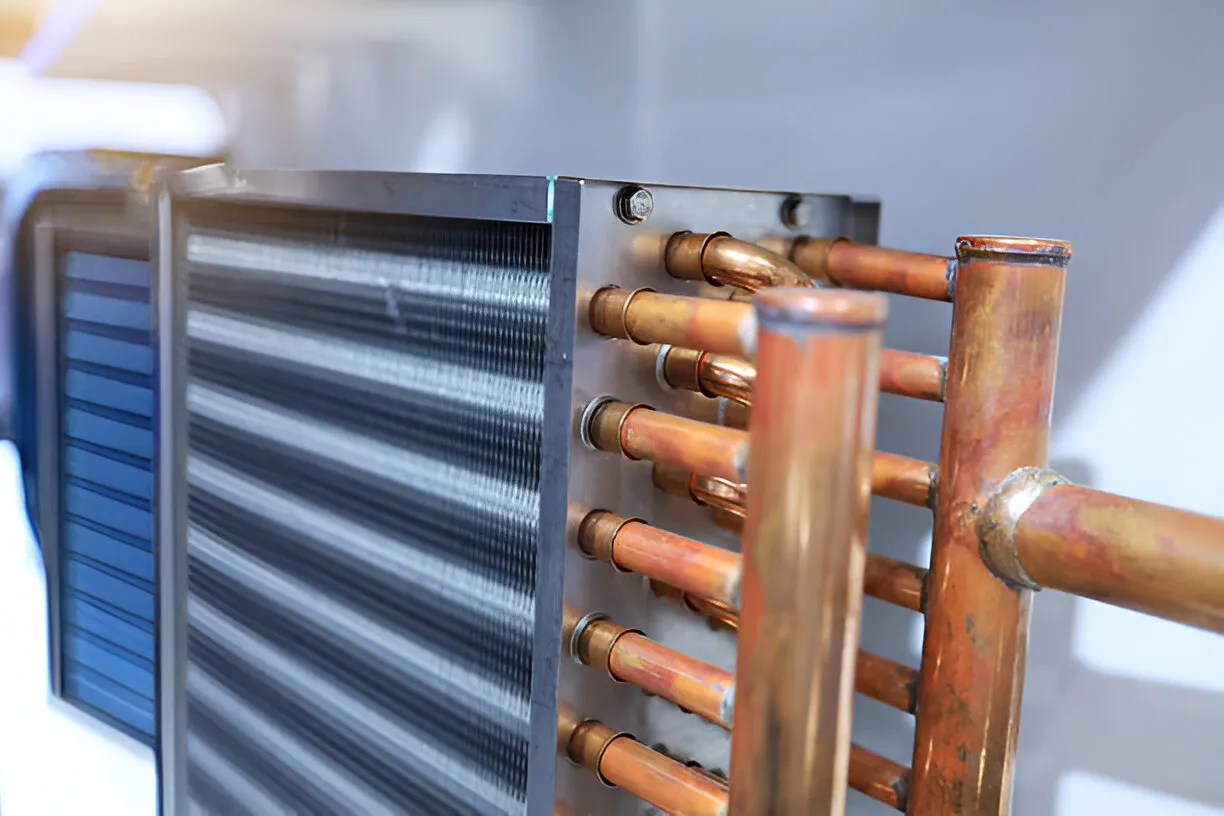
Why timely boiler repair matters in Grove City, OH
Grove City experiences cold winters and wide temperature swings during shoulder seasons. Those conditions increase cycling, stress seals and controls, and accelerate scale buildup in systems fed by harder local water. Delaying repair risks loss of heat when you need it most, higher energy use from inefficient operation, and safety hazards such as carbon monoxide exposure. Prompt, expert repair reduces downtime, prevents secondary damage, and restores efficient heating.
Common boiler issues in Grove City homes and businesses
- Faulty ignition or pilot systems: intermittent lighting, failed ignition modules, or clogged pilot orifices.
- Low or high system pressure: leaking radiators, failed expansion tanks, or pressure relief valve discharge.
- Circulator pump failures: noisy operation, no circulation, or reduced flow to zones.
- Thermostat or control problems: inaccurate temperature sensing, failed zone control boards, or mismatched control settings.
- Heat exchanger corrosion or leaks: especially in older cast iron or steel boilers exposed to corrosion or scale.
- Combustion inefficiency and soot buildup: poor combustion air, dirty burners, or venting problems causing reduced efficiency and safety concerns.
- Zone valve and actuator failure: zones not calling for heat or stuck valves.
- Hard water scale and sediment: reduced heat transfer, overheating, and inefficient operation.
- Electrical issues: tripped breakers, failed relays, or damaged wiring.
Commercial systems also share these problems but on a larger scale and with added complexity such as multi-boiler controls, feedwater systems, deaerators, or steam distribution leaks.
How we diagnose boilers on-site
A clear, systematic diagnostic process identifies the root cause quickly and avoids unnecessary parts replacement.
- Visual and safety check: inspect vents, flues, pressure relief valves, visible piping and the boiler cabinet for leaks, soot, or corrosion. Verify combustion air and venting are not obstructed.
- Operational test: observe startup, combustion sequence, burner operation, and circulation. Note error codes on control modules and record fault histories.
- Pressure and temperature assessment: measure system pressure, expansion tank condition, and return/supply temperature differentials to identify flow or circulation issues.
- Combustion and CO testing: perform combustion analysis and carbon monoxide testing to confirm safe operation and proper fuel-air ratios.
- Electrical and control checks: test transformers, relays, thermostat signals, and safety interlocks.
- Leak and flow diagnostics: trace water leaks, check zone valves, and test circulator pump amps and rotation.
- Component inspection: remove covers to examine burners, electrodes, heat exchangers, pumps, and valves for wear, deposits, or damage.
Diagnostic findings are documented and explained in plain language so you understand the cause and the recommended repair path.
Typical repairs and part replacement
Repairs are scoped to restore safe, efficient operation while preserving system longevity.
- Ignition system repair or replacement: flame sensors, igniters, or pilot assemblies.
- Burner cleaning and tuning: remove soot, adjust fuel-air mix, and optimize combustion.
- Circulator pump repair or replacement: new bearings, seals, or full pump swap.
- Valve and actuator replacement: zone valves, mixing valves, and relief valves.
- Heat exchanger repair or replacement: patching is rare; replacement is considered when corrosion or cracks are found.
- Controls and thermostat upgrades: replace failed boards, relays, or thermostats; retrofit for improved efficiency when appropriate.
- Expansion tank servicing or replacement: restore proper pressure compensation to prevent frequent pressure trips.
- Leak repairs and pipework: brazing, re-piping, or replacing sections of piping or radiators.
- Water treatment recommendations: address hard water and scaling issues to prevent repeat failures.
For commercial boilers, repairs can include feedwater equipment, safety valve re-certification, and multi-boiler sequencing control adjustments.
Emergency response and safety procedures
Boiler emergencies in Grove City, such as no-heat conditions in freezing weather or suspected carbon monoxide, require immediate triage.
- Initial safety assessment: confirm ventilation, smell for gas, and check for visible leaks before entering mechanical rooms.
- Shut down or isolate hazards: if CO or active leaks are detected, systems are safely shut down and isolated.
- Temporary measures: provide temporary heating options or short-term bypasses to restore partial function while permanent repairs are planned.
- Documentation and follow-up: emergency repairs include a clear report of findings, temporary fixes applied, and recommendations for permanent correction.
Safety is prioritized: carbon monoxide testing, gas leak detection, and secure venting are standard before leaving the site.
Estimated repair timelines and what affects them
Typical timelines vary by issue and parts availability.
- Simple repairs and adjustments (controls, thermostats, minor wiring): often completed within a few hours.
- Circulator or valve replacement, burner cleaning, or pump swaps: commonly completed in half a day to a full day.
- Heat exchanger replacement, major re-piping, or complex commercial repairs: may require multiple days and coordination for parts, permits, or system shutdowns.
Factors that affect duration include parts availability, system complexity, need for custom fabrication, and whether permits or inspections are required for commercial systems.
Cost factors to expect (no price details)
Rather than fixed prices, expect cost to depend on:
- The nature of the fault (simple control versus major component failure).
- Parts required and whether OEM or aftermarket components are chosen.
- Labor complexity and time on site.
- System age and accessibility of equipment.
- Whether emergency or after-hours response is needed.
- Any required safety testing, permits, or additional system work revealed during repair.
A clear repair estimate should explain which items are essential for safety and which are optional upgrades.
Warranty, testing and safety inspections
Post-repair, a proper safety and warranty process includes:
- Leak and pressure testing to confirm integrity.
- Combustion analysis and carbon monoxide checks to verify safe fuel combustion.
- Functional testing of controls, thermostats, safety interlocks, and zone operation.
- Documentation of replaced parts and labor for warranty records.
- Recommendations for routine maintenance intervals and water treatment to protect warranty coverage and extend system life.
Periodic safety inspections are crucial in Grove City because seasonal temperature swings and water quality issues can accelerate wear.
Scheduling repairs and what to expect during a service visit
Scheduling typically involves providing basic system information and a description of symptoms. For emergency situations, rapid triage is prioritized. During the scheduled visit expect:
- Arrival with tools, diagnostic equipment, and common replacement parts.
- A clear explanation of findings and repair options before work begins.
- On-site completion when feasible, or a plan and timeline for parts-necessary repairs.
- A written summary of work performed, safety checks, and any recommendations.
What you can prepare: note boiler make and model, recent symptoms and error codes, and any past service history to speed diagnosis.
Maintaining reliable boilers in Grove City
Regular maintenance reduces emergency repairs and keeps boilers efficient through cold months. Simple steps include annual safety inspections, combustion tuning, flushing sediment where needed, monitoring system pressure, and addressing odd noises or performance dips promptly.
Careful diagnostics, safety-first repairs, and attention to local climate impacts are the foundation of dependable Boiler Repair in Grove City, OH for both homes and businesses.
Hot Deals & Cool Savings

.webp)
New Service Agreement Membership
.webp)
Any New Client Service
Next Service for Referring a New Client
New Service Agreement Membership
Any New Client Service
Next Service for Referring a New Client
.webp)
.webp)

Service Areas
