
Boiler Installation in Columbus, OH
Boiler Installation in Columbus, OH — professional sizing, safe venting, and complete post-install support for reliable home heating as part of a full installation service.

Boiler Installation in Columbus, OH
Replacing or installing a new boiler is one of the most impactful home improvements for comfort, energy savings, and safety in Columbus, OH. With cold, humid winters and a mix of older brick homes and newer builds throughout the metro area, choosing the right boiler and having it installed correctly matters for long-term performance.
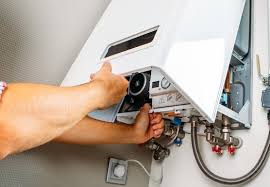
Why a professional boiler installation matters in Columbus homes
Columbus winters can be long and damp. A properly sized and installed boiler:
- Improves even heat distribution in homes with radiators or baseboard systems
- Reduces fuel use and utility bills through higher efficiency equipment and correct controls
- Lowers risk of leaks, combustion issues, and carbon monoxide exposure
- Extends system lifespan and reduces unplanned breakdowns during peak heating season
Older Columbus homes often have legacy cast-iron radiators, smaller mechanical rooms, or constrained venting paths. Those factors change system selection and the installation approach, which is why a tailored, professional assessment is essential.
Common boiler types and selection criteria
Selecting the right boiler depends on fuel availability, home size, distribution type, and efficiency goals. Common options for Columbus homes include:
- Natural gas condensing boilers: High efficiency and common where natural gas is available
- High-efficiency hot water boilers: Good for radiator and baseboard systems; array of AFUE ratings
- Electric boilers: Considered where gas is not available; useful for smaller homes or specific retrofit situations
- Modulating-condensing (mod-con) boilers: Best for efficiency and comfort in many modern and retrofitted systems
Key selection criteria covered during system sizing:
- Calculated heat load for your home based on local climate, insulation, and window performance
- Distribution type (radiant, baseboard, cast-iron radiator)
- Domestic hot water needs if combining space heating with water heating
- Venting and combustion air feasibility in Columbus building stock
- Budget, efficiency targets, and expected payback period
Initial consultation and home assessment
A thorough evaluation ensures correct sizing and installation planning. The assessment typically includes:
- On-site heat loss calculation using room-by-room inputs and local climate factors
- Inspection of existing piping, boilers, radiators, and venting routes
- Fuel line and meter location check, and verification of natural gas service capacity if applicable
- Electrical panel review and control wiring assessment
- Structural and access considerations for equipment delivery and placement
- Review of local permit requirements and utility or incentive opportunities
This step identifies whether additional work is needed, such as new venting, upgraded gas piping, fresh water loop installation, or radiator balancing.
Professional installation steps
A professional installation follows code-compliant, systematic procedures. Typical steps include:
- Pre-install preparation
- Secure necessary permits and schedule inspections required by Columbus and Ohio authorities
- Order equipment sized to the load calculation and prepare the site for removal of the old boiler
2. Removal of existing equipment
- Safe drain down of system water, disposal of old boiler and components per local regulations
- Inspection and cleaning of piping and radiators if reusing distribution system
3. Mechanical installation
- Precise piping connections, including supply and return manifolds, isolation valves, and expansion tank installation
- Proper venting installation sized for the specific boiler type, including chase or sidewall terminations as required
- Upgrades to gas piping if needed to meet capacity and safety standards
4. Electrical and controls
- Dedicated circuit and wiring to meet manufacturer and code requirements
- Integration of modern controls, thermostats, and zoning as applicable
- Installation of safety features like low-water cutoffs and pressure relief valves
5. Final plumbing and finishes
- Fill and treat system water, bleed air, and verify system pressure
- Insulate exposed piping where required by code or to reduce heat loss
Safety and code compliance
Safety and compliance are non-negotiable. Installations follow Ohio and local Columbus codes and manufacturer specifications. Critical safety items include:
- Proper combustion air supply and venting to prevent backdrafting
- Correct gas line sizing, shutoff valves, and pressure testing
- Installation of pressure relief valves, expansion tanks, and low-water cutoffs
- Post-installation recommendation to install or verify carbon monoxide detectors on occupied levels
- Documentation for required municipal inspections and permits
Failing to meet these requirements risks poor performance, unsafe operation, and potential legal or insurance issues.
Testing, commissioning, and performance verification
Commissioning confirms the system performs as intended. Typical tests include:
- Leak checks on piping, gas, and vent connections
- Combustion analysis for safe and efficient fuel burn on combustion appliances
- System balancing and thermostat calibration for even temperature control
- Verification of water temperature, pump operation, and safety device settings
- Walkthrough documentation that explains operation and recommended maintenance to the homeowner
A properly commissioned boiler will run efficiently, respond to controls accurately, and provide reliable comfort.
Timeline and typical cost considerations
Timeline depends on scope and site conditions:
- Simple replacements that reuse existing piping and venting: commonly 1 to 2 days
- Moderate installations requiring some venting or gas upgrades: 2 to 4 days
- Complex retrofits, zoning, or structural access work: up to a week or more
Cost drivers include boiler type and efficiency, scope of piping or venting upgrades, necessary electrical or gas service changes, and integration of controls or zoning. Financing options are often available to spread costs over time, and many homeowners may qualify for utility rebates or state and federal incentives for high-efficiency equipment. Your assessment will clarify which incentives and financing pathways apply to your Columbus property.
Post-installation support, warranties, and maintenance
Long-term reliability depends on proper support and routine care:
- Manufacturer warranties typically cover the boiler; service labor warranties may vary by installer
- Recommended annual maintenance includes combustion checks, system flushing or cleaning as needed, and inspection of safety devices
- Service plans or maintenance agreements help ensure priority service during Columbus cold snaps and preserve warranty coverage
- Documentation provided at commissioning should list maintenance intervals, filter or water treatment requirements, and an operations guide for the homeowner
Final considerations for Columbus homeowners
Installing a new boiler in Columbus, OH requires attention to local climate demands, older housing stock quirks, and code requirements. Proper sizing, certified installation, and thorough commissioning deliver comfort, safety, and improved energy performance. When planning a replacement, prioritize accurate heat loss calculations, correct venting and combustion air arrangements, and a clear maintenance plan to protect your investment and keep your home warm and safe through Ohio winters.
Hot Deals & Cool Savings

.webp)
New Service Agreement Membership
.webp)
Any New Client Service
Next Service for Referring a New Client
New Service Agreement Membership
Any New Client Service
Next Service for Referring a New Client
.webp)
.webp)

Service Areas
