
Boiler Maintenance in Downtown Columbus, OH
Downtown Columbus boiler maintenance keeps systems safe and efficient. Schedule a professional tune-up today for lower energy costs.

Boiler Maintenance in Downtown Columbus, OH
Keeping your boiler serviced on a consistent schedule is one of the most effective ways to protect comfort, safety, and energy costs in Downtown Columbus, OH. Whether you manage a historic multi-family building, a commercial property, or a single-family home, routine boiler maintenance reduces unexpected failures during cold snaps, extends equipment life, and helps ensure compliance with local safety expectations.
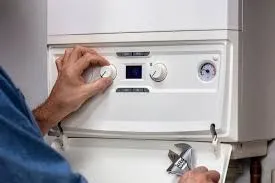
Common boiler maintenance issues in Downtown Columbus
Downtown Columbus properties face specific challenges that make regular service important:
- Freeze and thermal stress in winter: Columbus winters bring repeated freeze-thaw cycles that increase mechanical stress and the risk of leaks or cracked components.
- Hard water deposits and scale: Municipal water in the Columbus area can cause mineral buildup on heat exchangers, reducing efficiency and increasing fuel use.
- Aging building systems: Older downtown buildings often have legacy steam or hydronic boilers that need more frequent attention for controls, valves, and piping integrity.
- Urban operating demands: Continuous or heavy use in multi-unit or commercial properties accelerates wear on burners, pumps, and controls.
Frequent signs your boiler needs attention include short cycling, uneven heating across zones, unusual noises (popping, banging, or kettling), visible leaks, pressure instability, and higher-than-normal fuel bills.
What a professional annual tune-up includes
A comprehensive boiler tune-up performed by a qualified technician focuses on safety, combustion efficiency, and preventive care. Typical steps include:
- Visual inspection of the boiler, flue, combustion chamber, pumps, valves, and visible piping for signs of corrosion, leakage, or damage.
- Burner and heat exchanger cleaning to remove soot, scale, and combustion residue that reduce heat transfer and efficiency.
- Safety and pressure checks, including testing pressure relief valves, low-water cutoffs, and expansion tanks to verify safe operation.
- Control calibration and verification of thermostats, aquastats, and electronic controls to ensure accurate setpoints and responsive zone control.
- Combustion analysis to measure flue gas composition, oxygen levels, and CO to optimize burner settings and improve fuel efficiency.
- Ignition and flame sensor testing to confirm reliable starting and sustained combustion.
- Pump and valve inspection to check for leaks, bearing wear, and proper flow rates.
- System documentation that records test values, recommended repairs, and observations for building maintenance logs.
These tasks reduce the probability of emergency breakdowns and give you measurable performance data to track equipment health over time.
Water treatment and efficiency testing
Water chemistry and combustion efficiency are two of the biggest determinants of boiler longevity and operating cost. Professional maintenance includes:
- Water quality testing for hardness, pH, conductivity, and dissolved oxygen to detect corrosion or scaling risks.
- Chemical treatment recommendations or additions such as corrosion inhibitors, scale inhibitors, or deaeration solutions tailored to your system type.
- Blowdown procedures for steam systems to remove sediment and control dissolved solids.
- Efficiency testing like AFUE estimation, flue gas temperature measurement, and draft checks to calculate current operating efficiency and potential fuel savings from repairs or tuning.
Addressing water-related issues and tuning combustion can restore lost efficiency and prevent premature heat exchanger failure caused by scale or corrosion.
Recommended service schedules and maintenance agreements
Recommended service frequency depends on system size and usage:
- Residential boilers: At least one annual tune-up, ideally before the heating season. Systems with hard water or intermittent issues may benefit from semi-annual checks.
- Multi-family and light commercial systems: Semi-annual inspections and maintenance are common because higher duty cycles increase wear.
- Large commercial or critical systems: Quarterly or monthly inspections with a more robust preventive maintenance plan are often required.
Maintenance agreements typically include:
- Scheduled preventive visits (annual, semi-annual, or quarterly)
- Priority service response windows for breakdowns
- Planned parts and labor discounts for covered repairs
- Detailed service reports and performance records
- Customized water treatment plans and seasonal start/stop procedures
A formal agreement helps building managers budget for maintenance, document compliance, and reduce downtime risk during peak heating demand.
Troubleshooting and common repairs explained
When a maintenance inspection identifies issues, technicians prioritize safety and reliability. Typical repairs and what they address:
- Replacing worn burners or igniters: Fixes poor combustion, unstable flames, and frequent lockouts.
- Heat exchanger descaling or replacement: Restores heat transfer efficiency and prevents leaks due to corrosion or cracking.
- Valve and pump replacement or rebuilds: Restores proper flow and eliminates noisy, inefficient operation.
- Control upgrades: Modernizing thermostats, zone valves, or combustion controls improves comfort and reduces fuel use.
- Repairing leaks and pipe insulation: Prevents heat loss and water damage, especially important in downtown masonry buildings where access can be limited.
Technicians will explain repair urgency, estimated benefits, and how a fix will impact efficiency and equipment life so you can prioritize investments.
Why regular boiler maintenance matters for Downtown Columbus buildings
Regular maintenance delivers clear, measurable benefits:
- Increased reliability during cold weather when demand is highest and freeze-related damage risk is elevated.
- Lower fuel costs from improved combustion efficiency and reduced heat loss.
- Extended equipment life by preventing scale, corrosion, and mechanical wear that lead to major failures.
- Reduced emergency repairs and downtime for tenants or business operations in high-use downtown buildings.
- Improved safety through verified operation of relief valves, low-water cutoffs, and combustion safety systems.
- Compliance and documentation for building management, insurer expectations, and local code considerations.
Maintaining records from regular tune-ups simplifies long-term planning and supports replacement budgeting when systems near end-of-life.
Hot Deals & Cool Savings

.webp)
New Service Agreement Membership
.webp)
Any New Client Service
Next Service for Referring a New Client
New Service Agreement Membership
Any New Client Service
Next Service for Referring a New Client
.webp)
.webp)

Service Areas
