
Boiler Installation in New Albany, OH
Boiler installation in New Albany, OH — expert sizing, venting, permits, and commissioning. Learn how to ensure reliable heat and efficient performance.

Boiler Installation in New Albany, OH
An efficient, properly sized boiler is essential for reliable heat through New Albany winters. Boiler Installation in New Albany, OH focuses on replacing failing systems or installing new boilers that match your home’s heat demands, local fuel availability, and code requirements.
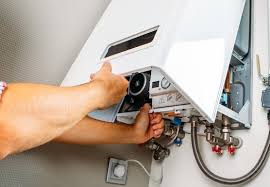
Why proper boiler installation matters in New Albany
New Albany experiences cold, damp winters that place sustained demand on heating systems. Undersized boilers struggle to maintain comfort, while oversized units cycle inefficiently and wear out sooner. Local building codes and venting rules in central Ohio also affect installation details. Proper installation minimizes cold spots, reduces energy waste, and prevents common problems like condensate drain freezing, poor combustion, and premature component failure.
Common boiler types and when to choose them
- Condensing gas boilers (modulating, high-efficiency): Best for tight homes in New Albany with natural gas service. They recover heat from exhaust gases for maximum efficiency.
- Combi boilers: Ideal for smaller homes or where combined space heating and domestic hot water from one unit reduces footprint and piping complexity.
- Traditional non-condensing boilers: Suitable where venting constraints or budget dictate, but require careful sizing and may be less efficient.
- Propane or oil boilers: Common for rural properties without natural gas service. Fuel availability and storage considerations influence choice.
- Electric boilers: Useful for specific retrofit scenarios or where fossil fuels are unavailable, though operating cost and grid factors should be weighed.
Initial consultation and heat load calculation
A reliable installation starts with an on-site consultation:
- Evaluate the home’s layout, insulation, window types, and existing distribution system (radiators, baseboard, radiant).
- Review local fuel access — natural gas, propane delivery, or oil storage — and any utility service constraints in New Albany neighborhoods.
- Perform a Manual J-style heat load calculation to determine required boiler output. This prevents the common problem of oversizing and ensures efficient, even heating.
Equipment selection: fuel type and model recommendations
Equipment selection balances efficiency, reliability, and local conditions:
- For most New Albany homes with utility service, a modulating-condensing natural gas boiler provides the best blend of comfort and efficiency.
- For houses without gas service, modern propane or oil-fired condensing boilers offer similar benefits when properly vented.
- Choose boilers with modulation, low standby losses, and a compatible control system for zoning and smart thermostats. Consider models with good parts availability and local service support for faster maintenance.
Site preparation
Proper site prep avoids delays and code issues:
- Confirm clearances, floor load capacity, and combustion air requirements at the planned boiler location.
- Identify and protect adjacent finishes, flooring, and nearby mechanicals.
- Plan for condensate drainage and freeze protection, especially for boilers installed in unconditioned spaces where New Albany temperatures can dip.
Venting and piping work
Correct venting and piping are critical for safe, efficient operation:
- Determine vent type (direct vent, power vent, or conventional chimney) per boiler design and local code. Condensing boilers typically require PVC condensate-rated venting.
- Install supply/return piping sized from the heat load and distribution design to avoid flow noise and achieve proper delta-T.
- Include appropriate safety devices: expansion tank, pressure relief valve, low-water cutoff if required, and condensate neutralizer when local regulations call for it.
Installation steps
Typical installation sequence:
- Remove existing equipment and prepare the area.
- Install boiler platform or pad as required and set the new boiler.
- Complete gas, fuel, or electrical connections per code.
- Install venting and flue termination with manufacturer-prescribed clearances.
- Connect hydronic piping, circulators, and zone valves or manifolds.
- Install controls, thermostats, and necessary isolation valves for future servicing.
- Pressure-test the system before initial fill.
System commissioning and testing
Commissioning verifies performance and safety:
- Flush and fill the system, purge air from distribution piping, and set proper system pressures.
- Adjust combustion and gas pressure to manufacturer specifications and verify CO and flue temperatures.
- Balance zones, set pump speeds and control parameters, and demonstrate thermostat operation.
- Perform a final inspection of safety devices and document system settings and operational checks.
Permit and inspection coordination in New Albany, OH
Boiler installations in New Albany require permits and inspections through local building officials. Installers should:
- Pull required mechanical and plumbing permits and submit equipment specifications to the city.
- Coordinate scheduling for rough and final inspections with New Albany building inspectors or county authorities if the property sits near jurisdictional boundaries.
- Ensure all work complies with Ohio mechanical and fuel gas codes and provide the homeowner with completed permit paperwork and inspection reports.
Timeline and cost breakdown (process-focused)
Typical timeline:
- Consultation and heat load calculation: 1 to 3 days for assessment and selection.
- Permitting and procurement of equipment: variable, generally several days to a few weeks depending on permit turnaround and equipment availability.
- Site preparation and physical installation: commonly 1 to 3 days for a straightforward replacement; larger or multi-zone installs can take longer.
- Commissioning and inspection: 1 day for testing and inspector visits.
Cost components to expect (described without dollar amounts):
- Equipment cost: boiler unit, controls, and required ancillaries (expansion tank, pumps).
- Labor: removal, site prep, piping, venting, electrical work, and commissioning.
- Materials: piping, valves, venting pipe, fittings, and insulation.
- Permits and inspection fees: municipal charges and any required testing.
- Optional upgrades: zoning controls, domestic hot water integration, or thermostatic upgrades.A transparent installer will provide a line-item estimate showing these categories so homeowners can compare value and longevity rather than only sticker price.
Warranty, documentation, and handover
Handover should include:
- Transferable manufacturer warranty details on the boiler and related components.
- Installation warranty covering workmanship for a specified period.
- A completed start-up report with setpoints, test results, and component model numbers.
- Owner guidance on routine maintenance, filter or strainer care, and instructions for seasonal shutdown or freeze protection.
Long-term benefits and maintenance
Proper installation delivers:
- Consistent comfort during New Albany’s cold months and lower fuel use with high-efficiency equipment.
- Reduced risk of emergency breakdowns through correct sizing and commissioning.
- Easier seasonal maintenance when the system is installed with service access and documented settings.Recommended maintenance includes annual combustion and safety checks, periodic flushing of system strainers, and checking expansion tank pressure before the heating season.
Hot Deals & Cool Savings

.webp)
New Service Agreement Membership
.webp)
Any New Client Service
Next Service for Referring a New Client
New Service Agreement Membership
Any New Client Service
Next Service for Referring a New Client
.webp)
.webp)

Service Areas
