
Boiler Installation in Bexley, OH
Boiler installation in Bexley, OH: expert sizing, venting, and commissioning for reliable, efficient warmth. Learn more about our installation services.

Boiler Installation in Bexley, OH
A properly sized and installed boiler is one of the most important investments for comfort, safety, and long term energy efficiency in Bexley, OH homes. Cold winters, occasional freeze and thaw cycles, and many older neighborhood homes with radiator or hydronic systems make accurate planning essential.
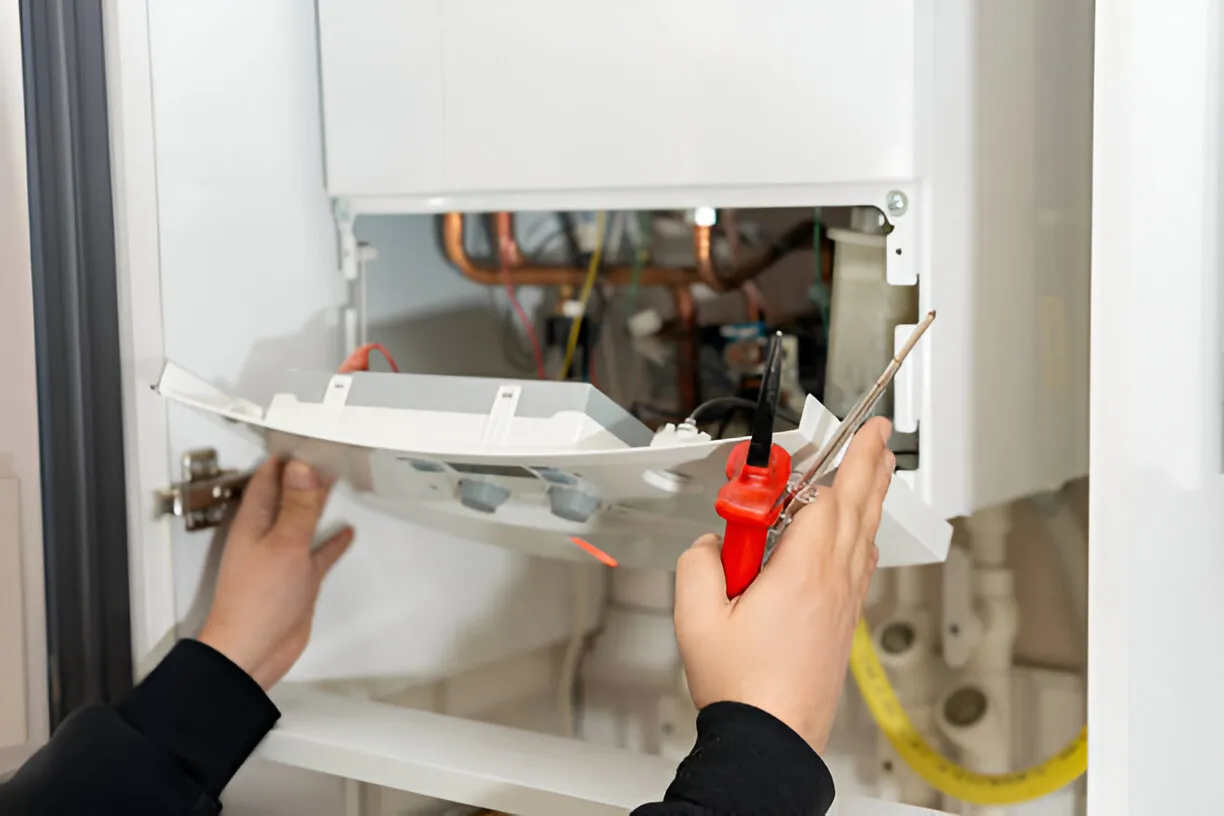
Why the right boiler installation matters in Bexley, OH
- Bexley experiences sustained low temperatures in winter, so undersized systems lead to comfort problems and high runtime.
- Older homes common in Bexley often have legacy radiators or unique piping layouts that require careful integration.
- Proper venting, condensate management, and freeze protection are critical because of seasonal temperature swings.
- A correctly installed high efficiency boiler reduces fuel consumption and lowers long term operating costs in our climate.
Typical boiler installation services and common scenarios in Bexley
- New construction boiler installation for custom homes or additions.
- Replacement of aging or failing boilers in historic and postwar homes.
- Conversion between fuel types where natural gas, propane, oil, or electric options are considered.
- Upgrading to condensing, modulating boilers to maximize efficiency in cold climates.
- Retrofits to existing hydronic systems including zone control, pump upgrades, and modern controls.
Initial consultation and heat loss calculation
A professional installation begins with a site visit and consultation. Key elements:
- Review of your home layout, insulation levels, window ages, and any additions or unheated spaces.
- A heat loss calculation (often using Manual J or comparable methodology) to determine the accurate heating load rather than relying on boiler nameplate sizes.
- Assessment of existing distribution (radiators, baseboard, in-floor piping) to see if re-sizing or upgrades are needed.
- Discussion of fuel availability in Bexley (natural gas service is common in many neighborhoods; propane or oil may be necessary in some properties).
Accurate load calculation prevents oversizing, improves comfort, and enables selection of the correct efficiency class and modulation range for your home.
System selection guidance: fuel types and efficiency ratings
- Natural gas: Often the most cost-effective and common choice where utility service exists. Modern gas condensing boilers offer high AFUE ratings and strong performance in cold climates.
- Propane or oil: Viable for properties without gas service. Oil boilers are still common in some local homes; propane offers a cleaner-burning alternative but requires tank considerations.
- Electric: Simpler installation in some cases; best for smaller loads or where other fuels are impractical.
- Efficiency and technology: Condensing boilers recover heat from flue gases and provide higher efficiency, especially on low return water temperatures common with radiant and low-temperature systems. Look for modulating burners and high turndown ratios for better comfort control.
When choosing a unit in Bexley, OH factor in local winter design temperature, distribution type, and long term fuel price expectations.
Site preparation, venting, and piping considerations
- Clearances and orientation: Ensure required clearances from combustible materials, accessible service space, and proper floor or pad support for heavier units common in older homes.
- Venting: Conventional boilers may use chimney or B-venting; condensing boilers often use sealed direct-vent or PVC venting. Condensate drains must be routed to a safe discharge point and include traps or neutralizers if required.
- Gas and fuel piping: Correctly sized gas lines and regulators are essential; installers will verify supply pressure and run proper piping to code.
- Hydronic piping: Proper piping layout, correct pipe sizing, air elimination, and an appropriately sized expansion tank and pressure relief valve prevent noise, cycling, and premature wear.
- Freeze protection: For exterior components, piping that runs through unheated spaces, or secondary loops, consider insulation, heat tracing, or glycol where needed.
Compliance with local codes and permits
- Installations in Bexley, OH must meet applicable Ohio plumbing, mechanical, and fuel gas code requirements and local Bexley or Franklin County permitting rules.
- Permits, inspections, and documentation are part of the installation workflow. Expect combustion air, venting, and gas line inspections where required.
- Proper paperwork and adherence to codes ensures safe operation, insurance compliance, and peace of mind.
Typical installation process and timeline
- Pre-installation survey and heat loss calculation.
- Equipment selection and material procurement.
- Site prep: removal of old equipment, minor carpentry or pad work, and preliminary piping runs.
- Mechanical installation: mounting the boiler, connecting fuel, venting, and hydronic piping, installing controls and zone valves.
- System fill, air removal, and initial startup.
- Commissioning and performance testing.
Timeframes depend on project complexity. A straight swap on a like-for-like system in a typical Bexley home can often be completed within a few days, while retrofits, fuel conversions, or larger replacements in older homes may take longer.
Start-up, commissioning, and testing
A thorough commissioning process is critical for long term performance:
- Flushing and chemical treatment where required to remove debris and protect the system.
- Proper fill, venting, and pressure set to manufacturer specifications.
- Combustion testing and adjustment for safe, efficient fuel burn.
- System balancing, thermostat and control programming, and verification of zoned operation.
- Demonstration of system operation and basic troubleshooting walk-through.
Documentation of startup settings and test results helps future maintenance and warranty claims.
Warranty, maintenance recommendations, and system longevity
- Review manufacturer warranty terms and local code requirements for combustion appliances. Keep installation records and startup documentation.
- Annual maintenance is recommended for safe, efficient operation in Bexley winters. Typical checks include combustion analysis, burner tune, inspection of venting and flue, pressure and expansion tank check, and system water treatment assessment.
- Proactive maintenance reduces the chance of cold-weather failures, extends equipment life, and preserves efficiency.
- Consider water treatment for older closed-loop systems to prevent corrosion and scale, especially in systems with cast iron radiators or long piping runs.
Cost factors and budget planning
Estimated project cost is driven by many variables rather than a single number:
- Boiler type and efficiency class selected.
- Fuel conversion needs or gas line upgrades.
- Extent of piping, zone control, and radiation modifications.
- Venting solution and any required structural or site prep work.
- Permit, inspection, and compliance work in Bexley and Franklin County.
Focus budget planning on total installed value including controls and commissioning rather than equipment sticker price alone.
Final considerations for Bexley homeowners
Selecting a professional installer who performs a thorough heat loss calculation, understands local Bexley housing stock, and follows Ohio and local permitting requirements is essential. Proper installation and commissioning tailored to local climate conditions will deliver reliable warmth, better efficiency across cold months, and lower lifecycle risk. Regular maintenance and clear startup documentation will keep your system operating safely for years to come.
Hot Deals & Cool Savings

.webp)
New Service Agreement Membership
.webp)
Any New Client Service
Next Service for Referring a New Client
New Service Agreement Membership
Any New Client Service
Next Service for Referring a New Client
.webp)
.webp)

Service Areas
