
AC Tune-Up in Grove City, OH
Schedule an air conditioning tune up in Grove City, OH to boost efficiency, prevent breakdowns, and improve comfort—book service today.

Air Conditioning Tune Up in Grove City, OH
A seasonal air conditioning tune up is the single best preventative step Grove City homeowners can take to keep cooling systems reliable, efficient, and long lasting. With humid Ohio summers and frequent pollen and storm debris, your air conditioner works harder here than in milder climates. A professional tune up before the cooling season catches small issues early, lowers operating costs, improves comfort, and reduces the chance of an emergency breakdown on the hottest days.
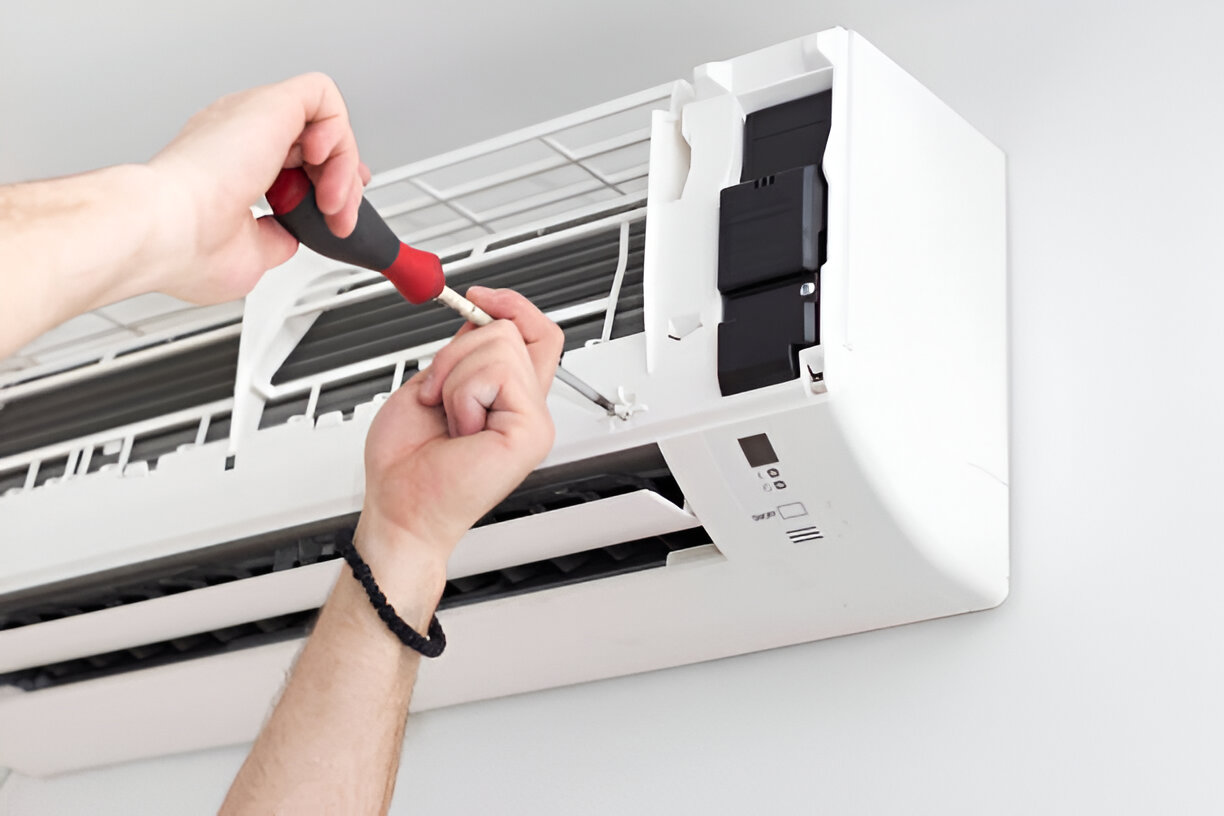
What a complete AC tune up covers
A thorough air conditioning tune up follows a detailed checklist to inspect, clean, adjust, and test every major component. Typical items include:
- Filter inspection and replacement (or advise on correct filter type and MERV rating)
- Evaporator coil and condenser coil cleaning to restore heat transfer
- Condenser coil fins straightening and debris clearing around the outdoor unit
- Refrigerant check (pressure testing, verifying proper charge, and identifying leaks)
- Electrical and safety inspections (wiring, breakers, contactors, capacitors)
- Thermostat calibration and verification of control sequences
- Airflow and performance testing (measuring supply/return airflow, static pressure, and delta-T temperature split)
- Blower motor and belt checks, lubrication where applicable
- Condensate drain cleaning and inspection to prevent water damage and microbial growth
- Basic system performance report with recommended repairs or adjustments
Technicians also look for signs of duct leakage or restricted return paths, which are common causes of poor cooling performance in older Grove City homes.
Why tune ups matter in Grove City, OH
Grove City’s climate and local conditions create specific stressors on air conditioning systems:
- Summers are warm and humid, increasing runtime and causing faster coil fouling from airborne pollen and dust.
- Spring pollen and late-season storms can deposit leaves and debris in outdoor units, reducing airflow through the condenser.
- Homes with older ductwork or attic-installed systems often suffer from duct leaks and insulation degradation that reduce efficiency.
- Systems neglected through the off-season are more likely to fail when demand spikes during heat waves.
A seasonal tune up reduces these risks by restoring system capacity, verifying safe electrical operation, and catching refrigerant or component problems before they become costly failures.
Common AC problems a tune up finds
Regular maintenance uncovers typical issues early, including:
- Dirty or plugged filters that restrict airflow and cause freezing or poor cooling
- Low refrigerant charge from small leaks, which reduces cooling and increases compressor wear
- Worn capacitors or contactors that can cause hard starts or electrical failures
- Clogged condensate drains leading to overflow and water damage
- Miscalibrated thermostats or short cycling that create uneven temperatures and wasted energy
- Dirty coils that reduce efficiency and raise run times
Addressing these items during a tune up greatly reduces urgency and expense later in the season.
What to expect during the service visit
A professional tune up is structured and transparent. Typical flow of the appointment:
- Technician confirms system make, model, and service history and notes any homeowner concerns.
- Visual inspection of indoor and outdoor units for signs of damage, corrosion, or debris.
- Replace or clean filters and clear condensate lines.
- Clean and inspect evaporator and condenser coils, straighten fins, and remove surrounding debris.
- Check refrigerant pressures and temperatures; test for leaks if pressures are low.
- Perform electrical tests: measure voltage and amperage on motors and compressors, inspect wiring and controls.
- Test thermostat accuracy and programming; confirm proper duct airflow and measure delta-T (temperature drop across the evaporator).
- Provide a written summary of findings, any recommended repairs, and tips to improve performance and indoor air quality.
Technicians usually leave documentation of the inspection results, including measured values (voltages, amps, pressures, and temperature split) so you can see how your system performed.
Benefits of regular tune ups
Consistent seasonal maintenance delivers measurable advantages:
- Improved efficiency and lower operating costs — clean coils and proper refrigerant charge let the system cool with less energy.
- Fewer unexpected breakdowns — worn parts are identified and addressed before they fail during peak demand.
- Longer equipment life — reduced stress on compressors and motors extends service life of major components.
- Better indoor comfort — stabilized temperatures, fewer hot spots, and improved humidity control.
- Health and safety — clean drain lines and coils reduce mold risk; electrical inspections reduce fire hazards.
- Documented maintenance history — useful for warranty compliance and resale value.
Typical annual tune ups can help maintain design efficiency and may reduce repair frequency and cost, preserving the value of your HVAC investment.
When to schedule and how often
For Grove City, schedule an air conditioning tune up in early spring before the first heat wave—ideally in March or April. Performing a tune up before the cooling season ensures the system is ready when temperatures rise. Annual tune ups are recommended for most residential systems; two visits per year (spring for AC and fall for heating) are ideal for homes on a maintenance plan or with older equipment.
Enrolling in a maintenance plan or scheduling a tune up
Many homeowners prefer the convenience and savings of a maintenance agreement. The typical enrollment and scheduling process looks like this:
- Select a maintenance option that lists annual inspection frequency, included tasks, and any plan benefits (priority service, discount on repairs, reminder scheduling).
- Provide basic equipment details (brand, model, age, and location of indoor/outdoor units) so the provider can prepare the correct tools and parts.
- Choose a preferred scheduling window; seasonal slots fill quickly, so spring reservation is recommended.
- On the appointment, the technician completes the tune up, documents findings, and provides an itemized service report.
- If repairs or parts are recommended, the report will outline options and expected outcomes for informed decision making. Plan members typically receive routine reminders and priority booking during peak season.
This process ensures predictable care and helps avoid last-minute emergency service during heat waves.
Maintenance tips between professional visits
Keep your system running smoothly with a few homeowner checks:
- Replace disposable filters every 1–3 months in summer, or follow manufacturer guidance for higher MERV filters.
- Keep the outdoor unit clear of plants, leaves, and debris; maintain at least 2 feet of clearance.
- Avoid blocking return vents with furniture or curtains to preserve balanced airflow.
- Note and record unusual sounds, longer run times, or weak airflow and address them early.
- Program thermostats sensibly to reduce runtime during unoccupied hours without causing humidity issues.
Regular attention plus a seasonal professional tune up gives Grove City homes reliable, efficient cooling and helps avoid costly mid-summer failures.
Hot Deals & Cool Savings

.webp)
New Service Agreement Membership
.webp)
Any New Client Service
Next Service for Referring a New Client
New Service Agreement Membership
Any New Client Service
Next Service for Referring a New Client
.webp)
.webp)

Service Areas
