
AC Replacement in OSU, OH
Air Conditioning replacement in OSU, OH: learn when to replace vs repair, compare systems, and explore energy savings. Learn more.

Air Conditioning Replacement in OSU, OH
Replacing an air conditioning system is a major decision for any homeowner or property manager in OSU, OH. Summers around the Ohio State University area bring hot, humid conditions that push air conditioners hard.
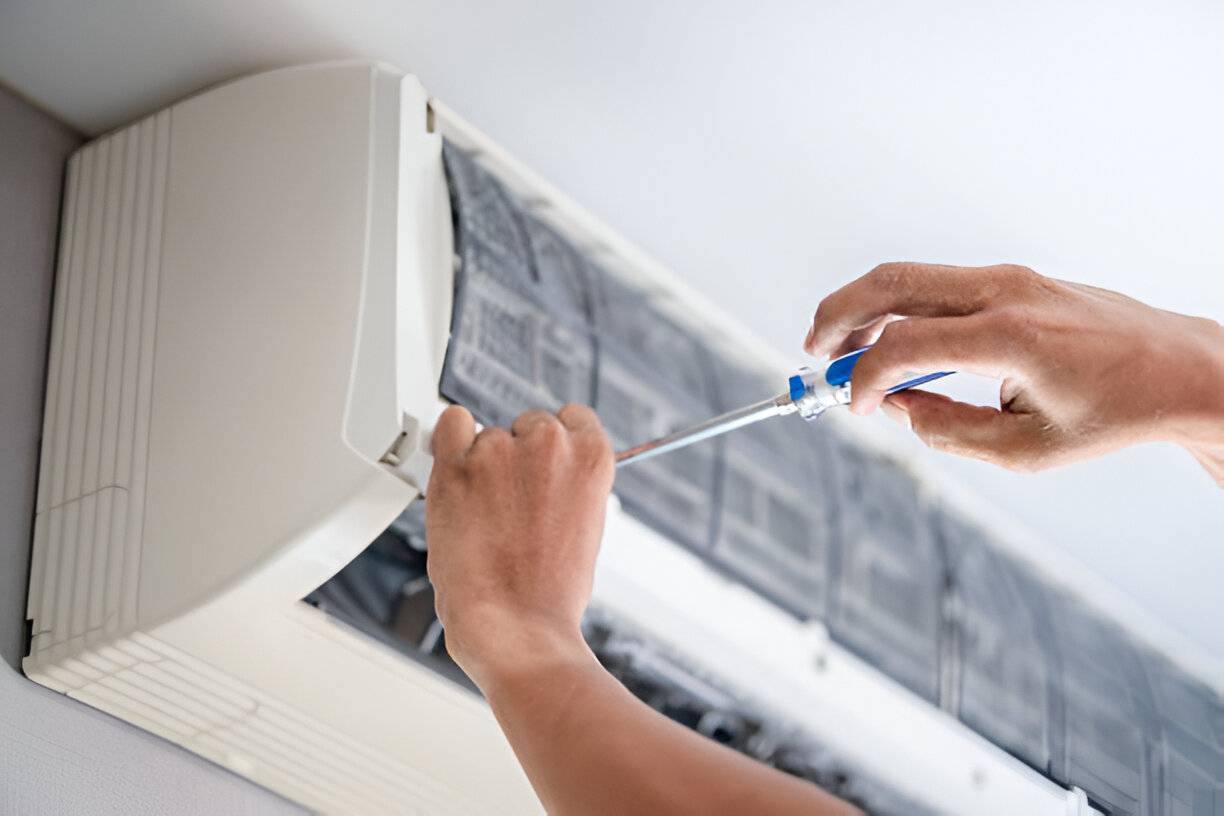
When to Replace vs Repair
Deciding to replace rather than repair comes down to several practical factors:
- Age of the system: Most central AC units last 12 to 18 years. If your unit is over 12 years and requiring frequent repairs, replacement is usually the better long-term choice.
- Repair frequency and cost: If repairs are recurring or a single repair would cost 40 to 50 percent or more of a new system, replacement is often recommended.
- Refrigerant type: Older systems that use R-22 refrigerant are becoming more expensive to service because R-22 is phased out. Replacement is typically advised for R-22 units.
- Efficiency and utility bills: Steady increases in cooling costs or an old low-SEER unit are strong signals to consider replacement for better monthly savings.
- Comfort and indoor air quality: Persistent hot or humid rooms, poor humidity control, or noisy compressors indicate the system may no longer meet comfort needs and replacement can resolve these issues.
- Home changes: If you remodel, add conditioned space, or change occupancy (for example student rentals near OSU), your existing system may be the wrong size and replacement with proper sizing is warranted.
Common AC Replacement Issues in OSU, OH
- Uneven cooling between floors or rooms
- Frequent short-cycling or compressor failures
- Refrigerant leaks and the R-22 phaseout
- Rusted or damaged outdoor units from seasonal exposure
- High electric bills during humid July and August months
- Duct losses in older homes common around OSU neighborhoods
How systems are evaluated and cost-compared
A straightforward evaluation includes:
- Load calculation (Manual J): Determines correct system size for your home given insulation, windows, occupancy, and local climate.
- Duct inspection (Manual D): Checks leaks, insulation, and whether ductwork needs sealing or resizing.
- Efficiency comparison: Compare current SEER/HSPF ratings to modern units (14 to 26+ SEER for central systems; higher for variable-speed systems).
- Lifecycle cost estimate: Compare upfront cost plus estimated energy and maintenance costs over 10 to 15 years to determine payback.
- Comfort and features assessment: Consider variable-speed compressors, two-stage cooling, and matched indoor coils for improved humidity control in Ohio summers.
When evaluating options, look beyond sticker price to quantify expected energy savings and likely maintenance costs.
Energy-efficiency benefits of new systems
Newer air conditioners offer multiple efficiency and comfort benefits:
- Higher SEER ratings which reduce energy consumption. Upgrading from an older 8 to 10 SEER unit to a modern 16 SEER or higher can produce significant electricity savings.
- Variable-speed compressors that run longer at lower speeds, improving dehumidification and reducing temperature swings—important during humid Columbus-area summers.
- Improved refrigerant technology that is more environmentally friendly and accessible.
- Better matched components (compressor, coil, air handler) that increase system reliability and lifespan.
- Smart thermostat compatibility for optimized schedules and further energy savings.
Typical energy savings vary by the age and efficiency of the old unit but can range from 15 to 40 percent in many replacement scenarios.
Makes and models commonly considered
Homes in OSU, OH commonly choose from reputable manufacturers that offer local service parts and warranties:
- Central split systems: Carrier, Trane, Lennox, Rheem, Goodman
- High-efficiency and variable-speed systems: Carrier Infinity series, Trane XV series, Lennox Elite and Signature lines
- Ductless mini-splits for additions or rooms without ductwork: Mitsubishi, Fujitsu, Daikin
- Heat pump options for combined year-round heating and cooling in milder homesChoose a model based on correct sizing, SEER rating, compressor type, and warranty terms rather than brand alone.
Removal and disposal of old equipment
Proper removal protects your home and the environment:
- Refrigerant recovery: Certified technicians must recover refrigerant per EPA regulations before disposal.
- Recycling and disposal: Metal and plastic components are recycled when possible; oil and other fluids are disposed of responsibly.
- Permit and code compliance: Local Columbus and Ohio rules may require permits or disposal documentation for certain equipment.
- Site cleanup: Properly disconnecting and removing the old pad and making any minor repairs to the installation area prevents pest and safety issues.
Typical installation steps
- Site survey and final sizing
- Prepare electrical and pad or platform
- Remove old equipment with proper refrigerant recovery
- Install new outdoor condenser and indoor coil/air handler
- Connect refrigerant lines, evacuate, and charge to manufacturer specification
- Balance and test airflow, check duct sealing
- Program thermostat and demonstrate operation
- Provide documentation and warranty registration
A careful installation is as important as the equipment chosen for long-term performance.
Rebates, incentives, and financing assistance in OSU, OH
Homeowners in the Columbus/OSU area may qualify for:
- Federal tax credits or incentives for certain high-efficiency systems (check current IRS guidance).
- Local utility rebates from Columbus-area utilities for high-efficiency equipment and tune-ups.
- Manufacturer rebates on select models during promotional periods.
- Financing programs and energy-efficiency loan options that spread the investment over time such as lender financing or property-assessed clean energy programs where available.Document model numbers and contractor forms carefully to support rebate claims and verify eligibility before purchase.
Expected performance improvements after replacement
After installing a properly sized, modern system expect:
- Faster and more consistent cooling throughout the home
- Better humidity control and reduced indoor dampness
- Lower monthly cooling costs and smoother seasonal billing
- Quieter operation and improved air filtration options
- Longer trouble-free service life and reduced emergency repairs
Maintenance to protect your investment
To maximize ROI and longevity:
- Change or clean filters regularly
- Schedule annual tune-ups for the outdoor unit and indoor components
- Keep condenser area clear of debris, leaves, and snow
- Maintain proper thermostat settings and consider a programmable or smart thermostat
- Seal and insulate ducts to preserve efficiency
Replacing your air conditioning in OSU, OH is an investment in comfort, energy savings, and home value. A careful evaluation—sizing, ductwork inspection, and comparison of lifecycle costs—ensures the right system for your home and local climate needs.
Hot Deals & Cool Savings

.webp)
New Service Agreement Membership
.webp)
Any New Client Service
Next Service for Referring a New Client
New Service Agreement Membership
Any New Client Service
Next Service for Referring a New Client
.webp)
.webp)

Service Areas
