
AC Replacement in New Albany, OH
Air Conditioning Replacement in New Albany, OH. Schedule a free assessment for high-efficiency options, rebates, and financing. Learn more.

Air Conditioning Replacement in New Albany, OH
Replacing an aging or struggling air conditioner is a major decision for New Albany homeowners. Summers in central Ohio bring hot, humid conditions that put heavy demand on HVAC systems, and older equipment can struggle to maintain comfort while driving up energy bills.
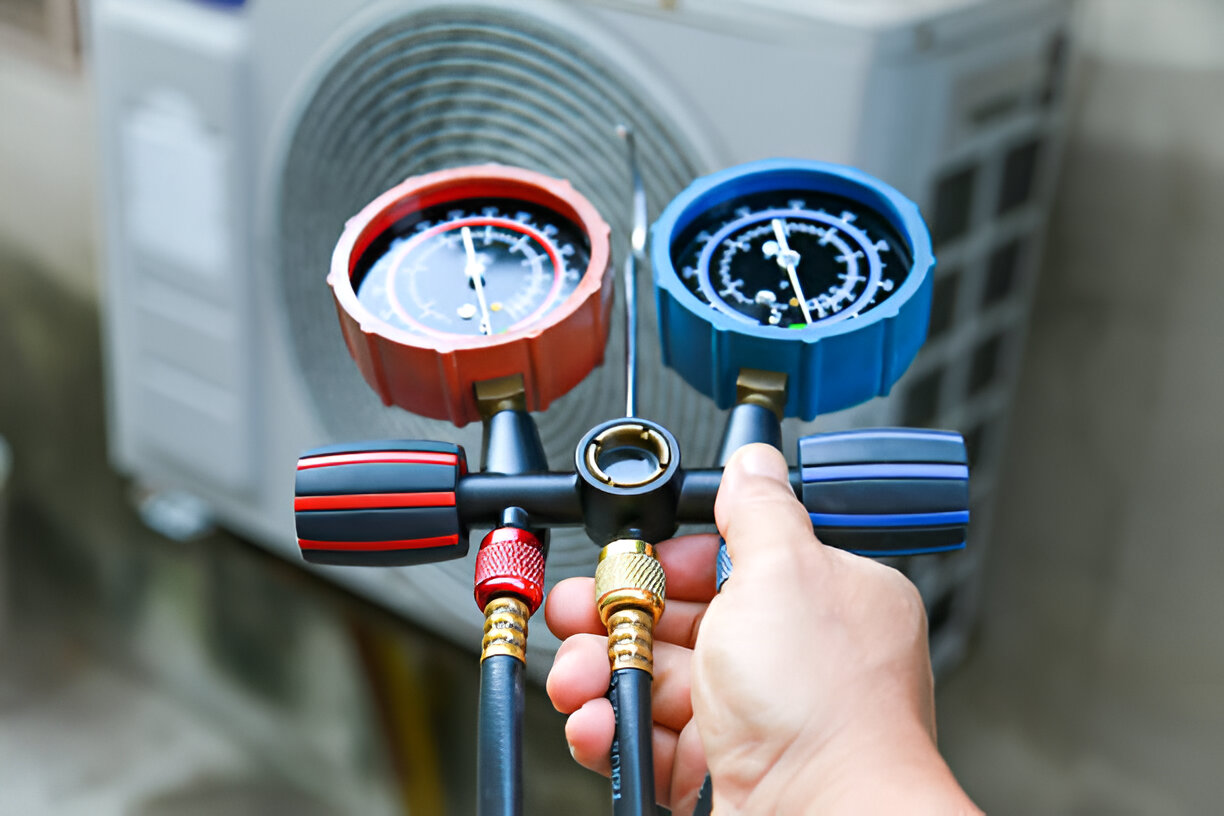
When replacement is recommended instead of repair
Choose replacement sooner when multiple of these apply:
- System age: Residential central AC units older than 12 to 15 years are frequently past their peak efficiency and reliability.
- Frequent breakdowns: Repeated service calls in a single cooling season usually indicate more problems ahead and rising repair costs.
- Major component failure: Compressor or coil failures often justify replacement because repair cost and long-term reliability are concerns.
- R-22 refrigerant: If your unit uses R-22 (Freon), replacement is often the practical option since R-22 is phased out and refrigerant is costly and scarce.
- Rising energy bills: A unit that runs more often and still fails to reach set temperatures is typically less efficient and costly to operate.
- Comfort issues: Persistent hot/cold spots, poor humidity control, or inadequate airflow even after repairs can mean the system is undersized or failing.
- Ductwork or integration needs: When duct leaks, mismatched components, or adding cooling to renovated spaces are factors, a full system replacement yields better long-term performance.
Types of replacement systems and benefits
- High-efficiency central AC (matched system): Best for most New Albany single-family homes. Matched outdoor and indoor components improve efficiency and reliability.
- Heat pump systems: In moderate climate swings, modern heat pumps provide both cooling and efficient heating and may qualify for incentives.
- Ductless mini-splits: Ideal for additions, finished basements, or homes without ductwork; they offer zone control and strong efficiency.
- Variable-speed and two-stage compressors: Provide steadier temperatures, better humidity control (important in Ohio summers), and lower operating noise.
Key benefits of upgrading:
- Improved indoor comfort and humidity control
- Lower monthly energy use and a smaller carbon footprint
- Quieter operation and better indoor air quality with newer filtration options
- Fewer repairs and longer, more reliable service life
Equipment selection guidance
Selecting the right system for a New Albany home requires more than picking a high SEER number. Consider:
- Load calculation (Manual J): Proper sizing based on the home’s square footage, insulation, window orientation, and occupancy prevents short-cycling or underperformance.
- SEER rating and efficiency: New equipment ranges widely; higher SEER equals better seasonal efficiency, but incremental cost vs payback should be evaluated.
- Matched system components: Choose outdoor condensing unit and indoor coil and blower that are engineered to work together.
- Blower and airflow: Variable-speed blowers and correct duct sizing improve comfort and efficiency.
- Controls and smart thermostat compatibility: Modern thermostats maximize savings and allow better humidity management.
- Warranty and manufacturer support: Compare warranty length and coverage for compressor and parts.
- Noise and placement: Consider yard setbacks, pad placement, and neighbor proximity—New Albany neighborhoods often prioritize quiet operation and curb appeal.
- Indoor air quality options: Upgrades like high-efficiency filters, UV lights, or whole-home dehumidifiers help manage Ohio humidity and allergens.
Removal, disposal, and permitting
Replacement includes safe removal and legal disposal of the old unit:
- Refrigerant recovery: Technicians must recover and recycle refrigerants per federal and state rules; R-22 requires documented recovery.
- Recycle scrap materials: Metal and electronic components are recycled where possible.
- Permit and code compliance: Local building permits and inspections may be required in New Albany for system replacements or significant ductwork changes.
- Site restoration: Exterior pads and interior access points are cleaned up and left ready for normal use.
Expected timeline and what to expect during installation
- Typical timeframe: Most straight replacements for like-for-like central systems are completed in a single business day. More complex installs—ductwork upgrades, replacing furnace or adding a heat pump—may take 1–3 days.
- Pre-installation: A site assessment and load calculation, plus ordering equipment if not in stock.
- Day of install: Old unit removal, installation of new equipment, refrigerant charging, duct connections, electrical tie-in, startup, and performance testing.
- Post-installation: Walk-through on operation, thermostat setup, and documentation of warranties and equipment specs.
Costs and factors that affect price
While exact pricing varies, replacement cost depends on:
- Equipment type and efficiency level
- System size and complexity of ductwork or electrical upgrades
- Need for additional indoor equipment (coils, air handlers, dehumidifiers)
- Permit and inspection requirements
- Accessibility and labor involved for installationBecause these variables differ by home, the appropriate approach is to evaluate the home’s specific needs and budget when comparing options.
Rebates, tax credits, and financing assistance
Homeowners in New Albany may be eligible for:
- Utility rebates: Local utilities and energy programs sometimes offer rebates for high-efficiency systems or heat pumps.
- Manufacturer incentives: Seasonal manufacturer promotions can reduce upfront cost.
- Federal energy tax incentives: Certain qualifying heat pumps and high-efficiency equipment may meet federal tax credit criteria.
- Financing options: HVAC-specific financing, low-interest loans, and payment plans are commonly used to spread the investment over time.Eligibility and availability change, so consider current programs when choosing equipment.
Energy savings and performance improvements to expect
Upgrading from a 10–15 year old unit to a modern high-efficiency system typically yields:
- Noticeable reduction in monthly cooling energy use due to higher SEER and more efficient compressors
- Better temperature consistency and humidity control, improving perceived comfort
- Reduced runtime and fewer service calls, translating to lower maintenance costs over timeActual savings depend on the home’s existing system, local electricity rates, thermostat behavior, and home envelope efficiency.
Protecting your investment
- Enroll in a preventive maintenance plan and schedule annual tune-ups to maximize lifespan and efficiency.
- Replace filters regularly and ensure proper airflow by keeping return vents clear.
- Consider duct sealing and insulation improvements for older New Albany homes to enhance system performance.
A carefully selected and professionally installed replacement system addresses New Albany’s humid summers, improves comfort throughout the year, and reduces operating costs over the long term. Thoughtful equipment selection, correct sizing, and following local codes and rebate opportunities create the best outcome for homeowners planning a lasting upgrade.
Hot Deals & Cool Savings

.webp)
New Service Agreement Membership
.webp)
Any New Client Service
Next Service for Referring a New Client
New Service Agreement Membership
Any New Client Service
Next Service for Referring a New Client
.webp)
.webp)

Service Areas
